What Does It Take to Become a Licensed Electrician?


Becoming a licensed electrician takes a combination of education, practical training, hands-on experience, and a strong understanding of electrical safety. Electricians install, maintain, inspect, and repair electrical systems in homes, commercial buildings, and industrial facilities. A license demonstrates that an electrician has met the required qualifications to perform specific electrical work in their area.
If you are considering a career in the electrical trade, understanding the licensing process can help you choose the right training, gain valuable experience, and prepare for a rewarding profession.
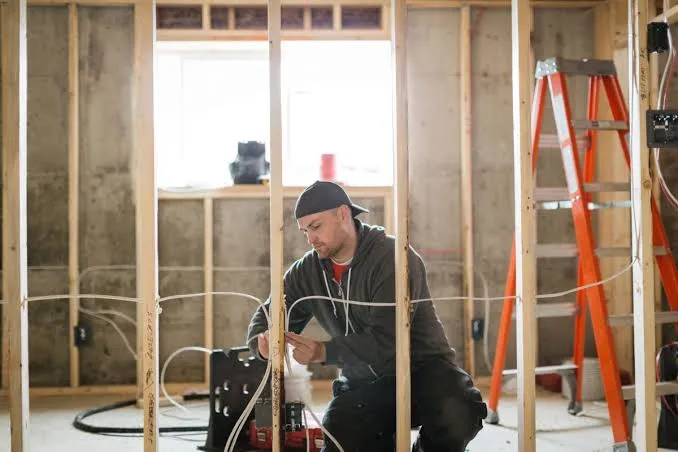
1. Meet the Basic Education Requirements
The first step is to meet the educational requirements for electrician training. In many places, a high school diploma or equivalent is preferred or required. Courses in mathematics, physics, and technical subjects can help you understand electrical circuits, measurements, voltage, and current.
You do not always need a college degree to become an electrician. Instead, vocational schools, technical colleges, and trade programs can provide the foundational knowledge needed to begin your career.
2. Complete an Apprenticeship or Practical Training
Electrical work requires more than classroom knowledge. You must learn how to install wiring, connect electrical equipment, troubleshoot faults, and follow safety procedures.
An electrician apprenticeship combines supervised, hands-on work with classroom instruction. Apprentices learn from experienced professionals while developing practical skills. Depending on the location and licensing pathway, training requirements and program length can vary.
During this stage, focus on learning electrical codes, using tools correctly, reading wiring diagrams, and identifying potential hazards. Never perform electrical work beyond your training or legal authorization.
3. Gain the Required Work Experience
Most licensing systems require applicants to demonstrate relevant work experience before qualifying for a higher-level license. The amount and type of experience depend on local regulations.
For example, some jurisdictions distinguish between apprentice, journeyman, and master electrician qualifications. A journeyman electrician typically has completed the required training and experience, while a master electrician may need additional experience and testing.
Keep accurate records of your training hours, employment history, and completed work. These documents may be necessary when applying for a license.
4. Pass the Licensing Examination
Depending on your location, you may need to pass an examination covering electrical theory, wiring methods, safety standards, electrical codes, and applicable regulations.
Prepare by reviewing the code requirements used in your jurisdiction, practicing calculations, and taking sample examinations. Make sure you understand the reasoning behind electrical safety rules rather than relying only on memorization.
Some licensing authorities may also require an application fee, proof of experience, insurance, or a background check.
5. Apply for the Appropriate License
Before applying, confirm which license you need for the type of work you intend to perform. Residential, commercial, and industrial electrical work can involve different systems, responsibilities, and qualifications.
Residential Electricians generally work on home wiring, lighting, outlets, electrical panels, and safety upgrades. Commercial Electricians handle electrical systems in offices, retail spaces, and other business properties. Industrial electricians often work with machinery, motors, control systems, and specialized equipment.
Not every electrician license covers every type of work. Check your local licensing authority's requirements before accepting a job or starting a business.
6. Maintain Your Skills and License
Becoming licensed is not necessarily the end of the process. Some jurisdictions require license renewal, continuing education, or updated certifications. Electrical codes and technologies also change over time, so ongoing learning is essential.
Common mistakes include overlooking local permit requirements, working without proper authorization, and assuming that a license from one area automatically applies elsewhere.

Where to Find Additional Guidance
If you are unsure about your next step, contact your local electrical licensing authority or an accredited trade training provider. Experienced electrical contractors can also help you understand the skills and qualifications expected in the field.
For practical examples of electrical services, you might explore the work offered by Rainy River Electric as a reference when learning about professional electrical standards. Related resources, including Rainy River Lighting Products, may also help you become familiar with lighting options and applications.
Ultimately, becoming a licensed electrician requires commitment, supervised experience, and a strong focus on safety. Start by checking your area's specific requirements, choosing an appropriate training pathway, and building the skills needed to work confidently and responsibly.






Sign in to leave a comment.