What Does 'Natural' Mean in Pakistan's Supplement Labels?

The word “natural” can make a supplement feel familiar and reassuring. Leaves, botanical illustrations and earthy packaging reinforce that impression. However, consumers comparing natural health supplements in Pakistan need to separate an ingredient’s origin from evidence about its quality, effectiveness and suitability.
A substance can come from a plant and still undergo extraction, purification or other processing before reaching a bottle. The finished product may also contain capsule materials, sweeteners, stabilisers or flavourings. Understanding the complete formulation provides more useful information than interpreting a single word on the front label.
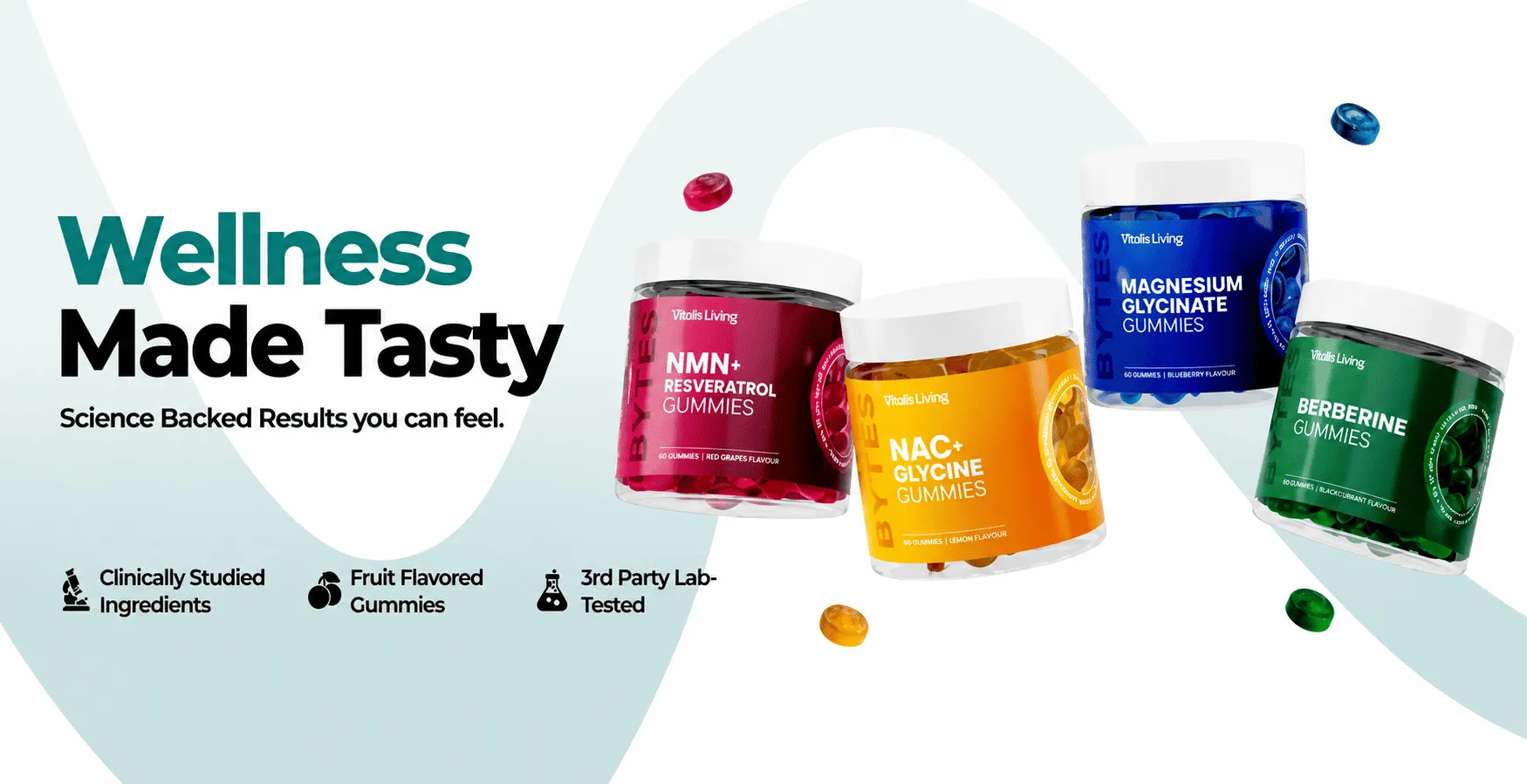
For example, shoppers researching Berberine HCL Pakistan may encounter plant-origin language alongside a specific ingredient name and gummy format. Those details describe different aspects of the product. Neither botanical imagery nor a chewable format establishes that it is suitable for everyone.

“Natural” Is a Starting Point, Not a Complete Description
On a supplement label, “natural” may refer to an ingredient’s source, a manufacturer’s formulation approach or a broader marketing message. Consumers should ask what the claim specifically describes.
Does it apply to the main active ingredient? Every ingredient? The flavouring? The processing method?
Without clarification, the word leaves important questions unanswered. It does not reveal the amount supplied, identify all supporting ingredients or explain whether a particular preparation has been studied in people.
The US National Center for Complementary and Integrative Health explicitly cautions that “natural” does not necessarily mean safe. Botanical ingredients can have substantial biological effects, including unwanted effects and interactions.
Reading Natural Health Supplements in Pakistan Beyond the Front Label
The front of a bottle attracts attention; the detailed label supports comparison.
Consumers should look for the exact ingredient name, quantity per serving and recommended serving size. Botanical products may also identify a species, plant part, extract ratio or standardised constituent.
These details help distinguish products that initially look similar. An ordinary botanical powder and a concentrated extract are not automatically interchangeable simply because both are described as natural.
A useful label review asks:
- What is the precise active ingredient?
- How much does a complete serving provide?
- How many gummies, capsules or scoops make that serving?
- What other ingredients are included?
- What warnings and storage directions apply?
If important information is missing, a clear explanation from the manufacturer is more valuable than another promotional slogan.
Plant-Derived Does Not Mean Unprocessed
Many supplement ingredients require processing to become consistent, usable preparations.
Extraction can separate selected compounds from plant material. Purification can remove unwanted material. Drying and formulation can help create a capsule, powder or gummy.
Processing itself does not establish that a product is inferior. Equally, describing something as minimally processed does not prove better quality.
The relevant questions concern the process used, the resulting composition and the evidence supporting that preparation. “Raw,” “traditional” and “natural” should not replace those questions.
A familiar food provides a useful comparison: eating a plant as part of a meal is different from consuming a concentrated extract containing selected constituents.
Chemical Names Do Not Automatically Mean Artificial
An unfamiliar ingredient name can appear less reassuring than a familiar herb name. Yet technical terminology often provides useful specificity.
Berberine hydrochloride, commonly written as berberine HCL, identifies a particular chemical form. The name alone does not disclose the complete sourcing or manufacturing history of an individual product.
Similarly, magnesium glycinate names a compound containing magnesium and glycine. It provides more specific information than “natural magnesium,” although the full formulation still needs examination.
A magnesium gluconate vs glycinate comparison concerns different compounds. It should not be reduced to one sounding more natural.
Consumers benefit from asking what a name means rather than treating scientific terminology as a warning sign or botanical wording as automatic reassurance.
Supporting Ingredients Deserve Attention Too
The active ingredient is only part of a finished supplement.
Berberine HCL Gummies, for example, need ingredients that create their texture and flavour. Capsules require a shell, while some powders include flavourings or ingredients intended to improve handling.
Depending on the formulation, supporting ingredients may include pectin, gelatin, sweeteners, colours or processing aids.
Their presence does not automatically indicate poor quality. However, they can matter for allergies, dietary preferences and individual tolerance.
For Pakistani consumers, gelatin source and halal certification may be relevant. A claim about the botanical origin of the active ingredient does not establish the source of the capsule shell or gummy base.
The complete ingredient list should support the overall impression created by the packaging.
Natural, Organic, Halal and Lab-Tested Answer Different Questions
These terms are often displayed together, but they should not be treated as equivalent.
| Label term | What consumers should investigate |
|---|---|
| Natural | Which ingredient or production characteristic the claim describes |
| Organic | The certification, standard and ingredients covered |
| Halal | The certifying organisation and scope of certification |
| Lab-tested | The sample, tests performed, results and batch relevance |
| Standardised extract | The named constituent and its declared concentration |
One claim does not establish the others. A natural-origin ingredient is not automatically certified organic. Halal suitability does not demonstrate clinical effectiveness.
Likewise, testing for selected contaminants does not prove that a supplement will deliver its advertised health outcomes.
The NIH Office of Dietary Supplements explains that quality-assurance seals can provide information about manufacturing, ingredients and contaminants, but do not guarantee safety or effectiveness. Consumer
Familiar Ingredients Still Need Specific Evidence
Searches about magnesium glycinate benefits or lion’s mane mushroom benefits often lead to broad claims. The useful next step is examining whether the evidence concerns the same ingredient preparation, quantity and outcome as the product under consideration.
For magnesium glycinate supplements, consumers should distinguish the weight of the compound from the declared elemental magnesium supplied.
For lion’s mane mushroom capsules, the species, material used and extract specifications can matter. A lion’s mane mushroom extract should not automatically be equated with a culinary mushroom powder.
A lion’s mane mushroom recipe also describes food preparation, not a substitute for the formulation used in a supplement study.
Natural origin cannot bridge gaps between different preparations or turn preliminary findings into guaranteed results.
Suitability Cannot Be Read From a Leaf Symbol
A supplement’s appropriateness depends on more than its source.
Existing health conditions, prescription medicines, pregnancy and other supplements can change the decision. The NIH advises consumers to discuss supplement use with healthcare professionals because products can cause adverse effects or interact with medicines. Consumer
Questions such as magnesium glycinate pregnancy suitability or magnesium glycinate dosage for sleep therefore require more context than a natural claim supplies.
Likewise, discussion of Berberine HCL benefits should not imply that a plant-derived product can replace prescribed treatment.
A clear warning section is useful information. Its presence should not be interpreted as a weakness compared with a competing product that makes fewer disclosures.
Making a More Informed Comparison
Consumers comparing Natural health supplements in Pakistan through retailers such as Vitalis Living can use “natural” as a prompt to investigate further.
The stronger comparison considers exact ingredients, serving quantities, relevant evidence, testing documentation and individual suitability. Price, reviews and attractive packaging may influence interest, but cannot answer all those questions.
A meaningful label explains what the product contains and how its claims are supported. “Natural” adds context only when its meaning is clear; it cannot carry the entire purchasing decision.
Frequently Asked Questions
1. Does “natural” mean a supplement has no side effects?
No. Naturally occurring ingredients can cause unwanted effects and interact with medicines. Safety depends on the substance, amount, formulation and individual circumstances.
2. Are natural and organic supplements the same?
No. Consumers should examine the meaning of the natural claim separately from any organic certification, including which ingredients and production stages that certification covers.
3. Does a chemical ingredient name mean it is artificial?
Not necessarily. Technical names can identify a compound precisely. They do not, by themselves, establish the sourcing or manufacturing history of a particular product.
4. Can a natural supplement contain sweeteners or capsule materials?
Yes. The claim may refer to the active ingredient rather than every component. The complete ingredient list helps clarify what the finished product contains.
5. What information matters more than the word “natural”?
The exact ingredient, amount per serving, formulation, relevant evidence, quality documentation and warnings provide a stronger basis for evaluation. Personal suitability may also require professional advice.


Sign in to leave a comment.