

You have the blower door report in hand. Now what?
For builders and contractors, the result is more than a number on a test sheet. It can show whether the building envelope is meeting the project's airtightness target and whether additional air sealing may be needed before the next inspection or construction stage.
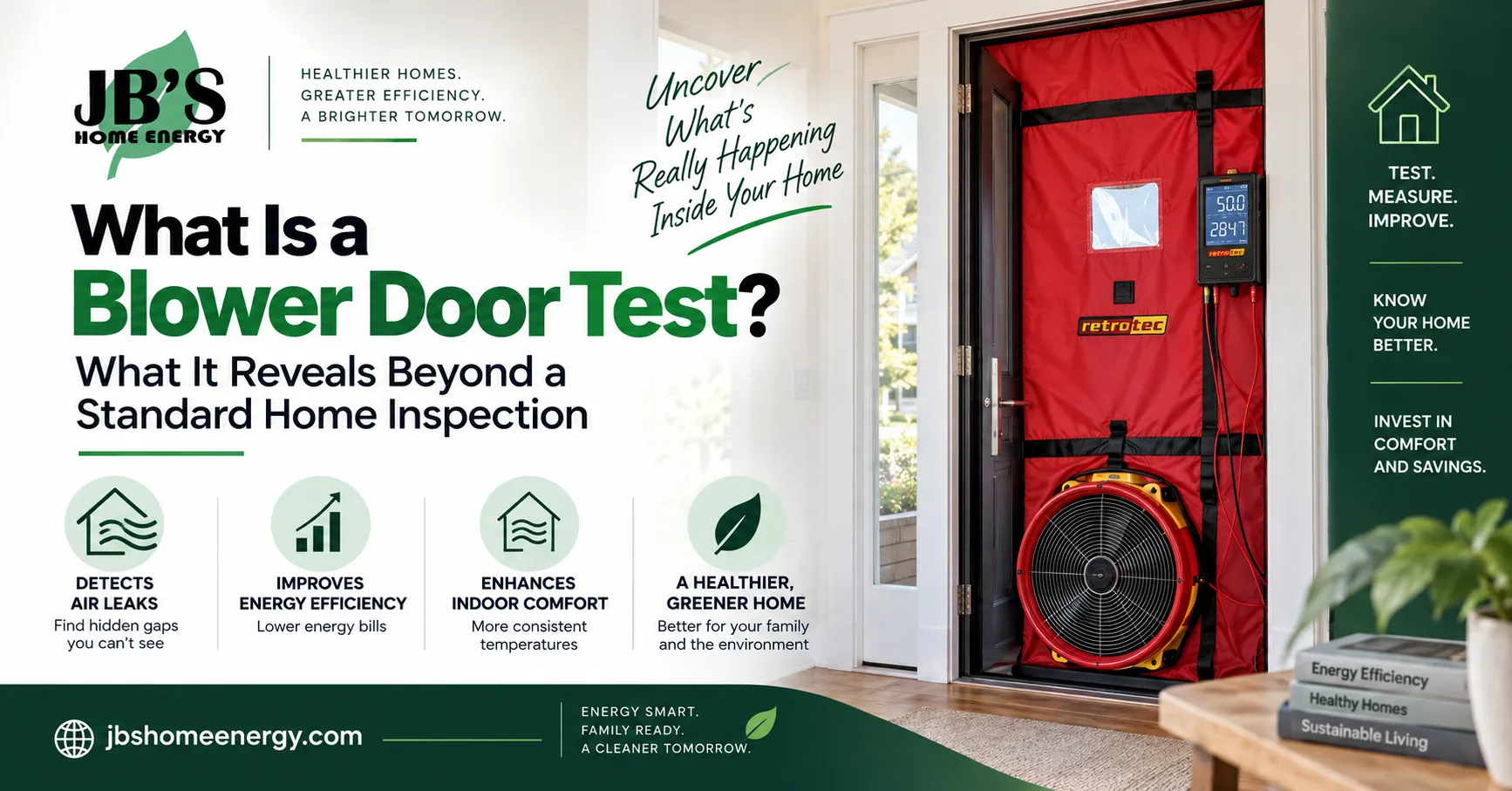
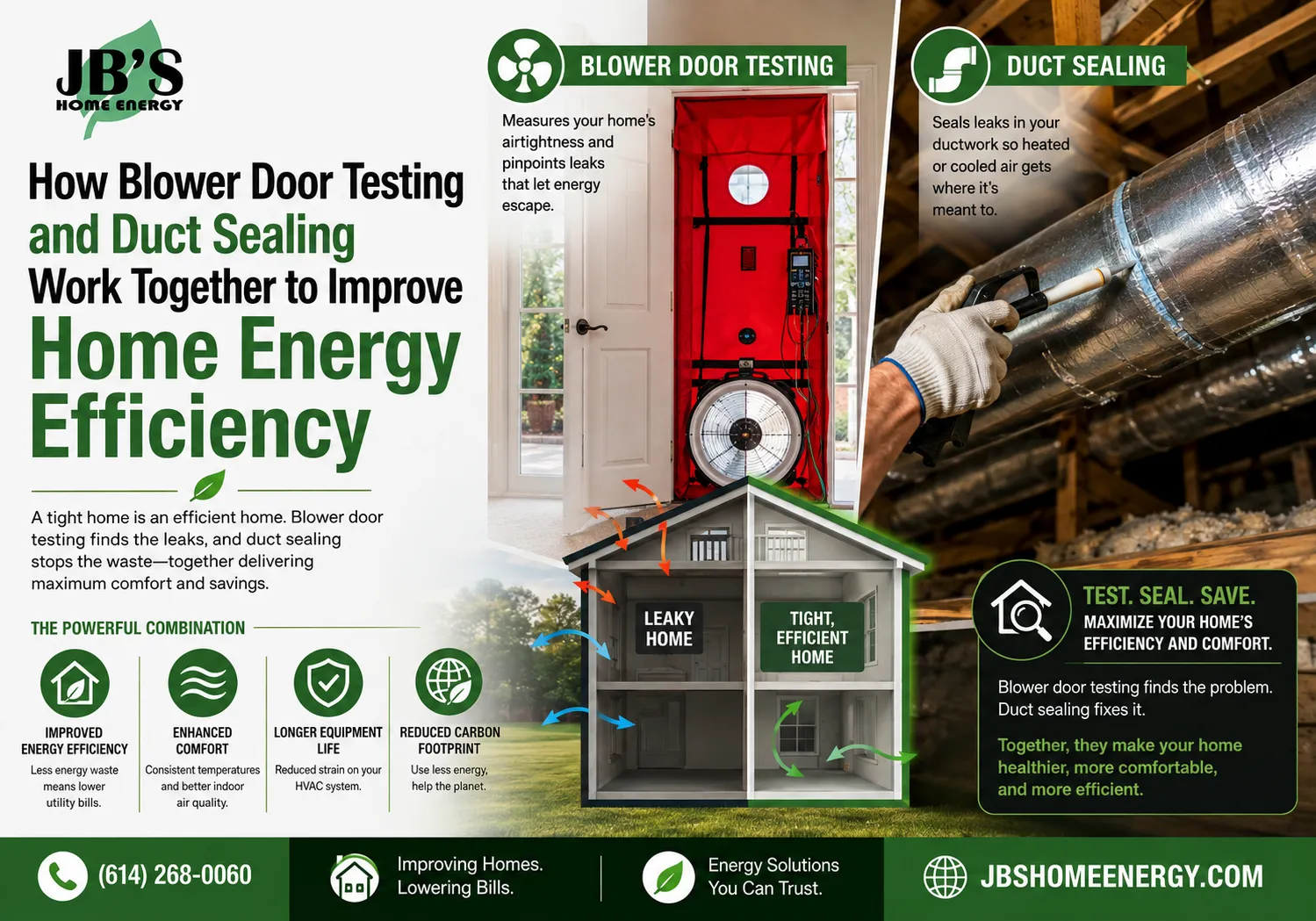
A blower door test measures air leakage at a controlled pressure. The two results you will most often see are CFM50 and ACH50. Understanding the difference can make the report much more useful.
Your Blower Door Result Is More Than Just a Number
CFM50 represents the airflow required to maintain a 50-pascal pressure difference during testing. ACH50 takes that airflow and relates it to the building's interior volume.
That distinction matters.
A larger building may have a higher CFM50 simply because it has more volume. ACH50 provides a normalized measurement that makes it easier to evaluate airtightness across buildings of different sizes.
So, don't look at the CFM50 figure alone and immediately decide whether the building passed or failed.
CFM50 vs. ACH50: Which Number Should You Watch?
For code or program requirements that specify an ACH50 target, that is the number you need to compare with the applicable requirement.
For example, New Hampshire's residential energy-code documentation identifies blower door testing as the required method for verifying the envelope air-leakage requirement and lists a maximum of 3 ACH at 50 Pa under the referenced code requirements.
However, requirements can vary by jurisdiction, code edition, and project type. Massachusetts currently has multiple code pathways, including base, Stretch, and Specialized Codes, so builders should verify which requirements apply to their specific project.
The same principle applies to home energy audit Massachusetts. An energy assessment can provide broader information, but the applicable blower door requirement should always be evaluated against the project's actual code or program requirements.
Does a Lower Result Always Mean Better?
Generally, less uncontrolled air leakage means a tighter building envelope. But the result should not be viewed in isolation.
A very tight building also needs an appropriate ventilation strategy. A blower door test measures uncontrolled leakage. It does not replace an evaluation of intentional mechanical ventilation.
For builders, the useful question is not simply, “Is this number low?”
It is:
“Does this result meet the project's target, and does the building have the ventilation strategy it needs?”
That makes the result much more meaningful.
What a High Result Can Tell You About the Building
A higher-than-expected result can indicate that the air barrier has leakage pathways that need further investigation.
Common areas to examine include transitions between building components, penetrations, doors and windows, service openings, attic interfaces, and other connections within the building envelope.
The test result tells you how much leakage exists under the test conditions. Additional diagnostic work can help determine where that leakage is occurring.
This is where testing becomes useful during construction. Instead of guessing which areas need attention, builders can use the result to decide whether additional air-sealing work and verification are warranted.
What Should You Do After an Unexpected Result?
First, compare the result with the requirement that actually applies to the project.
If the result is outside the target, review the building envelope for potential leakage pathways. Correct accessible problem areas, then consider retesting to verify the improvement.
Testing early can be particularly valuable because correcting an air-sealing problem is generally easier while portions of the envelope remain accessible.
For projects involving a home energy audit Maine, the broader assessment may also help identify insulation, air-sealing, or other building-performance concerns that should be considered alongside airtightness.
Why Testing Before Final Inspection Can Save Rework
Finding an unexpected result immediately before final inspection can create scheduling pressure.
For builders, early testing provides an opportunity to identify potential problems while crews can still access the relevant construction details. It can also create a clearer record of the project's performance before turnover.
Maine currently operates under the 2021 IECC as its baseline energy code, effective April 7, 2025, while local adoption and project requirements should still be verified for the specific job.
Whether the project is in Maine, New Hampshire, or Massachusetts, the practical goal remains the same: know the requirement, understand the result, correct problems early, and verify the finished work.
If your project needs blower door testing, energy-code verification, or related building-performance services, book a service with JB's Home Energy to discuss the testing requirements for your project.
FAQ
What is considered a good blower door test result?
There is no single result that applies to every project. The appropriate target depends on the applicable code, program, building type, and project requirements.
Can a blower door test identify the exact location of every leak?
No. The test quantifies overall leakage. Additional diagnostic methods may be needed to identify specific leakage pathways.
Does CFM50 change with the size of the building?
Yes. Because CFM50 is a raw airflow measurement, building size affects how the number should be interpreted. ACH50 accounts for building volume.
What Can a Home Energy Audit in New Hampshire Help Identify?
A home energy audit in New Hampshire can identify issues such as air leakage, inadequate insulation, and other areas where a home may be losing energy.
Should a blower door test be repeated after air sealing?
Retesting can verify whether corrective work improved the measured airtightness and whether the project now meets its applicable target.




















Sign in to leave a comment.