

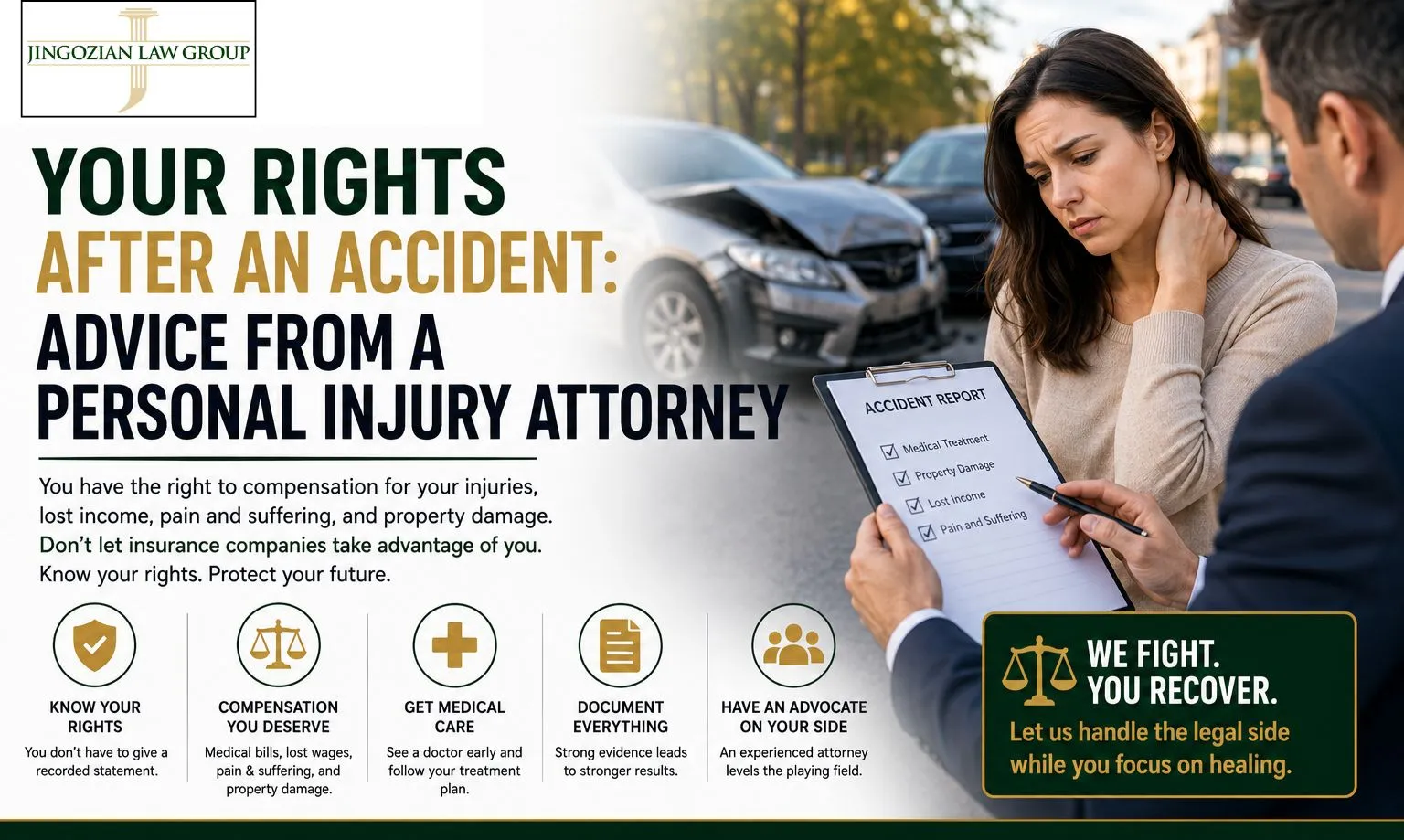
Strong evidence can make a major difference in a personal injury claim. Photos and videos of the accident scene, medical records, witness statements, accident reports, and documentation of financial losses can help show what happened, who may be responsible, and how the injury affected your life. For example, if you need help understanding your legal options, a personal injury attorney in San Fernando can review the available facts and explain what evidence may be important to your case.

Evidence matters because a personal injury claim generally requires more than simply stating that an accident occurred. The available evidence should help establish the circumstances of the incident, the connection between the incident and the injury, and the losses associated with the injury.
Why Evidence Matters in a Personal Injury Claim
A personal injury case may involve competing accounts of what happened. Insurance companies, opposing parties, witnesses, and others may have different descriptions of the same event.
Evidence provides objective or documented information that can help clarify those disagreements.
The most useful evidence often helps answer four basic questions:
- What happened?
- Who was responsible?
- What injuries resulted?
- What losses did the injured person experience?
The strength of a claim can depend on how clearly the available evidence answers these questions.
What Evidence Can Support a Personal Injury Claim?
There is no single piece of evidence that automatically proves every personal injury case. The appropriate evidence depends on the circumstances of the accident and the nature of the injuries.
However, several types of evidence for a personal injury claim are commonly important.
Photos and Videos
Photographs and videos can preserve details that may change or disappear over time.
Depending on the accident, useful images may include:
- The accident scene
- Visible injuries
- Property damage
- Road conditions
- Defective or dangerous conditions
- Traffic signs and signals
- Vehicle positions
- Objects or hazards that may have contributed to the incident
For example, a photograph of a hazardous condition shortly after an accident may provide information about the condition that existed when the injury occurred.
Whenever possible, keep the original files and preserve the date and other available information associated with them.
Medical Records and Bills
Medical documentation is often important because it connects the injury to professional treatment.
Medical records may document:
- The nature of an injury
- Symptoms reported by the patient
- Diagnostic testing
- Treatment received
- Follow-up care
- Medical recommendations
- Recovery progress
Medical bills can also help document expenses associated with treatment.
Following recommended medical care and keeping records of appointments, prescriptions, bills, and related expenses can make it easier to document the impact of an injury.
Accident and Incident Reports
Depending on the circumstances, an official report may provide another important source of information.
For example, a report may document an automobile collision, workplace incident, or other event investigated by an appropriate authority.
A report may include information such as the date and location of the incident, involved parties, observations, and statements collected during the investigation.
An accident report is useful evidence, but it is not necessarily the only evidence needed to establish a claim.
Witness Statements and Contact Information
People who saw an accident may provide information about what occurred.
Witnesses can potentially describe:
- What they observed before the incident
- How the accident occurred
- Conditions at the scene
- Statements made immediately afterward
- The apparent condition of the people involved
If someone witnessed the incident, preserve their contact information when possible. Memories can become less reliable as time passes, so identifying witnesses promptly may be important.
Employment and Income Records
An injury can affect a person's ability to work. If an injured person misses work or experiences other employment-related losses, documentation may help establish those losses.
Depending on the circumstances, relevant records may include:
- Pay statements
- Employment records
- Work schedules
- Documentation of missed work
- Self-employment records
- Other financial documents related to lost income
The specific documentation needed can vary depending on how the injury affected employment.
Evidence of How the Injury Affected Daily Life
Not every consequence of an injury appears on a medical bill.
A person may experience limitations involving everyday activities, mobility, sleep, household responsibilities, hobbies, or other aspects of daily life.
Keeping a personal record of symptoms and limitations can help preserve details that may otherwise be forgotten.
A journal might document:
- Pain or discomfort
- Physical limitations
- Missed activities
- Changes in daily routines
- Difficulties completing normal tasks
- Medical appointments and treatment
- How symptoms change over time
These notes should be accurate and consistent rather than exaggerated. They can provide a chronological record of the person's experience.
What Can Weaken Personal Injury Case Evidence?
Evidence can become less useful when it is incomplete, inconsistent, or difficult to verify.
Several issues can create challenges when proving a personal injury claim.
Delayed Medical Treatment
A significant gap between an accident and medical treatment may raise questions about the connection between the incident and the injury.
There can be legitimate reasons for delays, but documenting those circumstances may be important.
Inconsistent Statements
Differences between accident reports, medical records, insurance statements, and later accounts can create questions about what actually occurred.
That is why it is important to provide accurate information and avoid guessing when you do not remember a detail.
Missing Documentation
Lost photographs, incomplete medical records, missing bills, or unavailable witness information can make it harder to reconstruct an incident.
Preserving relevant documents from the beginning can help avoid unnecessary problems later.
Social Media Posts
Posts, photographs, videos, or comments on social media may become relevant to a dispute about an injury or its effects.
For example, a post that appears inconsistent with statements about physical limitations could potentially create questions about the claim.
It is generally wise to think carefully before posting about an accident, injury, recovery, or dispute.
How to Organize Evidence in a Personal Injury Case
Keeping evidence organized can make it easier to understand the full picture of an injury claim.
Create a dedicated folder, either physical or digital, for documents related to the incident.
Consider organizing materials into categories such as:
- Accident photographs and videos
- Police or incident reports
- Medical records and bills
- Insurance correspondence
- Witness information
- Employment and income documentation
- Receipts and other injury-related expenses
- Personal notes about symptoms and limitations
Do not alter original photographs, videos, documents, or messages. Keeping original files can help preserve their context.
If you want to learn more about building a strong injury case, reviewing the types of documentation involved can help you understand what may be relevant to your situation.
Evidence Should Tell a Consistent Story
Strong personal injury case evidence is not necessarily about having the largest number of documents. Instead, the evidence should provide a clear and consistent picture of the incident and its consequences.
For example, photographs may help show the accident scene, medical records may document the resulting injuries, witness information may provide another account of what happened, and financial records may document related losses.
When these different sources are consistent, they can help create a clearer record of the claim.
What Should You Do After an Injury?
After an accident, focus first on obtaining appropriate medical attention and addressing immediate safety concerns.
Once those immediate concerns are addressed, consider taking practical steps to preserve information:
- Take photographs when it is safe to do so.
- Obtain relevant accident or incident information.
- Keep medical records and bills.
- Record important dates and appointments.
- Preserve contact information for witnesses.
- Keep documentation related to missed work or other financial losses.
- Save relevant communications with insurance companies and other parties.
- Avoid guessing or changing details when describing what happened.
If the circumstances are complicated or another party disputes responsibility, legal guidance may help you understand which evidence could be relevant.
Key Takeaways About Evidence in Personal Injury Cases
The strongest evidence in personal injury cases usually helps establish the facts from multiple angles. Photos and videos can preserve physical conditions, medical records can document injuries and treatment, witness information can provide additional accounts, and financial records can help document losses.
Evidence can also become more difficult to use when important records are missing, statements are inconsistent, or the connection between the accident and injury is unclear.
The most important step is to preserve relevant information and keep your records accurate and organized. Every personal injury case is different, so the evidence that matters most will depend on the specific circumstances.
Talk With The Jingozian Law Group, P.C.
If you have been injured and are unsure what evidence may support your claim, The Jingozian Law Group, P.C. can be a resource for understanding your legal options. Consider gathering your accident records, medical documentation, photographs, witness information, and other relevant materials before discussing your situation with an attorney.
Understanding what evidence you have—and what may still need to be documented—can help you make informed decisions about your next steps.
FAQs
1. What evidence is important in a personal injury claim?
Photos, videos, medical records, accident reports, witness information, and financial records can help support a claim.
2. Why are medical records important?
They can document your injuries, treatment, recovery, and related medical expenses.
3. Can witnesses help with a personal injury case?
Yes. Witnesses may provide information about what they saw before, during, or after the accident.
4. Should I keep records of lost income?
Yes. Pay statements, work records, and documentation of missed work may help establish lost income.
5. When should I preserve evidence after an accident?
As soon as reasonably possible. Keeping original photos, documents, communications, and other records can help preserve important information.





















Sign in to leave a comment.