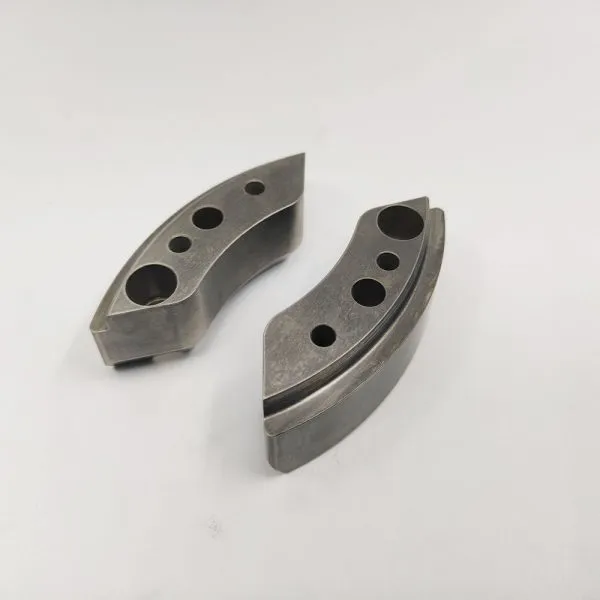


Reliable metal component production requires more than advanced machinery and skilled operators. Industries today need accuracy, consistency, durability, and efficient workflows to meet demanding application requirements. A well-planned manufacturing metal parts process combines modern technology, quality control methods, and engineering expertise to deliver components that perform effectively across different sectors.
Key Factors That Ensure Reliable Metal Parts Production
1. Advanced Manufacturing Technology
The use of modern equipment plays an important role in achieving precision and repeatability. Advanced CNC machines, automated systems, and digital design tools help manufacturers produce complex components with tight tolerances.
A reliable production process focuses on:
- High-precision machining capabilities
- Automated production workflows
- Advanced CAD/CAM integration
- Consistent dimensional accuracy
- Reduced production errors
These technologies help businesses achieve better quality while maintaining efficient production timelines.
2. Material Selection and Engineering Expertise
Choosing the right material directly impacts the performance and durability of finished components. Professional manufacturers analyze factors such as strength, corrosion resistance, weight, and operating conditions before selecting suitable materials.
Common considerations include:
- Application requirements
- Environmental conditions
- Mechanical performance needs
- Surface finish expectations
- Long-term reliability
Experienced engineering teams ensure that every component is designed and produced according to specific industry requirements.
3. Strict Quality Control Standards
Quality inspection is one of the most important elements of a dependable production process. Manufacturers use advanced testing and measurement techniques to verify that every component meets required specifications.
Effective quality practices include:
- Detailed dimensional inspections
- Material verification testing
- Surface quality checks
- Production monitoring
- Final performance evaluation
A strong quality management system reduces defects and ensures consistent results throughout the production cycle.
4. Customization and Production Flexibility
Different industries require unique component designs, making customization an essential part of modern manufacturing. Reliable suppliers offer flexible solutions for prototypes, small batches, and large-scale production.
Businesses should look for manufacturers that provide:
- Custom design support
- Prototype development
- Multiple machining options
- Scalable production capacity
- Industry-specific solutions
Companies like experienced precision manufacturing providers help businesses transform engineering concepts into functional metal components.
How to Choose the Right Manufacturing Partner?
Before selecting a supplier, businesses should evaluate:
- Technical expertise and industry experience
- Available manufacturing capabilities
- Quality certifications and inspection processes
- Production capacity and delivery timelines
- Customer support and communication
Choosing the right partner ensures better efficiency, reduced production risks, and improved product performance.

What Makes Metal Parts Production Reliable?
A reliable metal parts production process depends on advanced technology, skilled engineering, quality control, suitable material selection, and efficient manufacturing practices. Advanced solutions such as a cnc turning service further improve precision, consistency, and production efficiency by creating accurate, durable, and high-performing components for various industrial applications.
Frequently Asked Questions (FAQ)
Q1. Why is quality control important in metal parts production?
Quality control ensures components meet required specifications, maintain consistency, and perform reliably in real-world applications.
Q2. How does technology improve metal component production?
Modern CNC machining, automation, and digital design systems improve accuracy, speed, and repeatability.
Q3. What industries benefit from precision metal component production?
Industries such as automotive, aerospace, medical, electronics, and industrial equipment rely on precision-produced metal components.
Q4. What should businesses consider when selecting a manufacturing provider?
They should evaluate technical expertise, production capabilities, quality standards, customization options, and delivery reliability.

























Sign in to leave a comment.