What Factors Should Gym Owners and Fitness Professionals Consider When Choosing Liability Insurance?
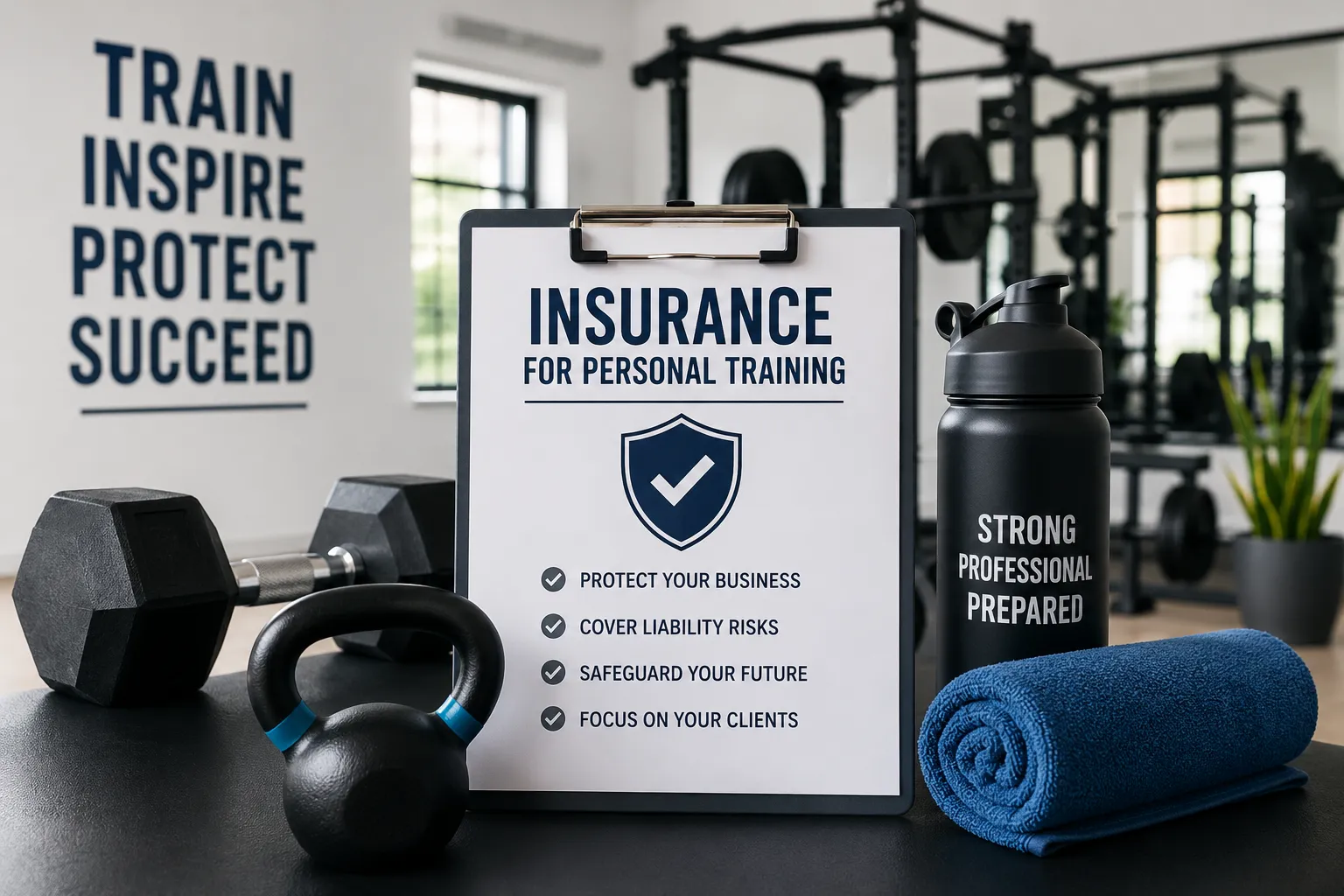
Running a gym or fitness business involves more than providing quality training and maintaining exercise equipment. Gym owners, personal trainers, fitness instructors, and other fitness professionals regularly work with clients who are engaging in physical activity, which can create potential risks such as accidental injuries, property damage, or claims related to professional services.
For this reason, having appropriate liability insurance can be an important part of managing the risks associated with a fitness business. However, choosing an insurance policy requires more than simply selecting the lowest-priced option. Business owners should consider the type of coverage provided, policy limits, exclusions, deductibles, and the specific activities performed by their business.
Understand the Type of Coverage You Need
The first step is to understand what types of risks your business may face. A traditional health club may have different insurance needs than a personal training studio, yoga facility, strength and conditioning gym, or fitness professional who works with clients at different locations.
Depending on the business, relevant coverage may include:
- General liability insurance: May help cover certain third-party claims involving bodily injury or property damage.
- Professional liability insurance: May provide protection for certain claims related to professional services, advice, or alleged negligence.
- Property coverage: May help protect business property, equipment, and other physical assets against covered losses.
- Workers' compensation: May be required for eligible employees depending on applicable state laws.
- Additional coverage: Certain businesses may need additional policies or endorsements based on their specific operations.
Understanding these different types of coverage can help gym owners avoid purchasing a policy that does not adequately address their business activities.
Consider the Cost of Liability Insurance
The gym liability insurance cost can vary significantly from one business to another. Insurance providers may consider several factors when determining premiums, so there is no single price that applies to every gym or fitness professional.
Factors that can influence insurance costs may include:
- The size and type of the fitness facility
- The number of employees and trainers
- The number of clients served
- The services and fitness activities offered
- The location of the business
- The business's claims history
- The coverage limits selected
- The deductible amount
- Additional risks associated with specialized training or equipment
Because of these variables, gym owners should compare policies based on both price and the protection they provide.
Review Coverage Limits and Deductibles
Coverage limits are another important consideration. A policy with a very low limit may not provide sufficient protection for a larger facility or business with a significant number of clients.
At the same time, gym owners should understand their deductible. A deductible is the amount the policyholder may be responsible for paying before the insurer contributes toward a covered claim.
When comparing policies, consider:
- Per-occurrence coverage limits
- Aggregate coverage limits
- Deductible amounts
- Whether separate limits apply to specific types of claims
- Any additional endorsements that may be available
The appropriate limits will depend on the individual business and its level of exposure to potential risks.
Pay Attention to Policy Exclusions
One of the most overlooked aspects of insurance is understanding what the policy does not cover. Insurance policies generally contain exclusions and limitations that can significantly affect how coverage applies.
Gym owners should carefully review exclusions related to their particular services and activities. For example, a business offering specialized fitness programs or higher-risk activities should verify that those activities are not excluded from its policy.
Reading the policy carefully before purchasing coverage can help prevent unexpected surprises when a claim occurs.
Check Coverage for Trainers and Employees
Many gyms work with a combination of employees, independent contractors, personal trainers, and other fitness professionals. Business owners should determine exactly who is covered under their insurance policy.
A gym should consider questions such as:
- Are employees covered under the policy?
- Are independent contractors included?
- Do individual trainers need their own insurance?
- Does coverage apply when trainers work outside the facility?
- Are all services provided by the business included in the policy?
Clarifying these details in advance can help ensure that everyone understands their insurance responsibilities.
Consider the Size and Nature of Your Business
A small personal training business may have a very different risk profile from a large commercial gym with hundreds of members and multiple employees. Similarly, a facility offering general strength training may have different insurance considerations from one offering specialized or higher-risk activities.
Business owners should evaluate their actual operations rather than relying on a generic insurance package. The policy should reflect the services provided, the equipment used, the number of people involved, and the environments in which training takes place.
Compare Policies Based on Value, Not Just Price
When evaluating the gym liability insurance cost, it is important to look beyond the premium itself. A cheaper policy may have lower coverage limits, higher deductibles, or exclusions that make it less suitable for a particular fitness business.
Instead, gym owners should compare:
- Coverage limits
- Deductibles
- Covered activities
- Exclusions
- Additional endorsements
- Protection for employees and contractors
- Claims support
- Overall policy terms
The goal should be to find a balance between affordability and adequate protection.
Work With an Insurance Professional
Insurance requirements can vary depending on the type of business, location, services offered, and applicable regulations. For that reason, gym owners and fitness professionals may benefit from speaking with an insurance professional who understands the fitness industry.
An experienced insurance professional can help identify potential exposures, explain policy terms, compare coverage options, and determine whether additional policies or endorsements may be appropriate.
Liability insurance can be an important part of protecting a gym or fitness business from unexpected financial risks. Rather than focusing exclusively on price, gym owners should evaluate coverage types, limits, deductibles, exclusions, and who is covered under the policy. Taking the time to compare these factors can help fitness professionals make a more informed insurance decision and build a stronger risk-management strategy for their business.








Sign in to leave a comment.