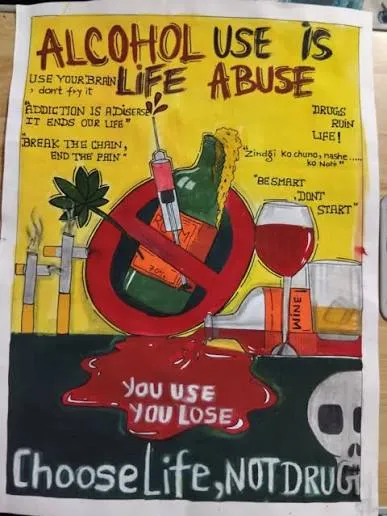


A few years ago, addiction in Punjab was mostly talked about as a men's problem confined to certain pockets of the state. That picture has changed. Health officials now report a sharp rise in the number of people registering for de-addiction treatment across the state, and outpatient clinics that once saw a few hundred visitors a day are now managing several times that number. Women and even teenagers are increasingly among those seeking help — a shift that has surprised even long-time addiction counsellors.
Dera Bassi, sitting just outside Chandigarh in the Mohali-Zirakpur industrial belt, has not been immune to this trend. The town's rapid growth has brought factories, warehousing hubs, and a steady influx of migrant workers and young professionals — the same combination of stress, disposable income, and loosened family oversight that researchers link to rising substance use in fast-urbanising towns. For families here, the question is no longer whether addiction can touch their household. It's what to do once it has.
The Pattern Behind Most Addiction Stories
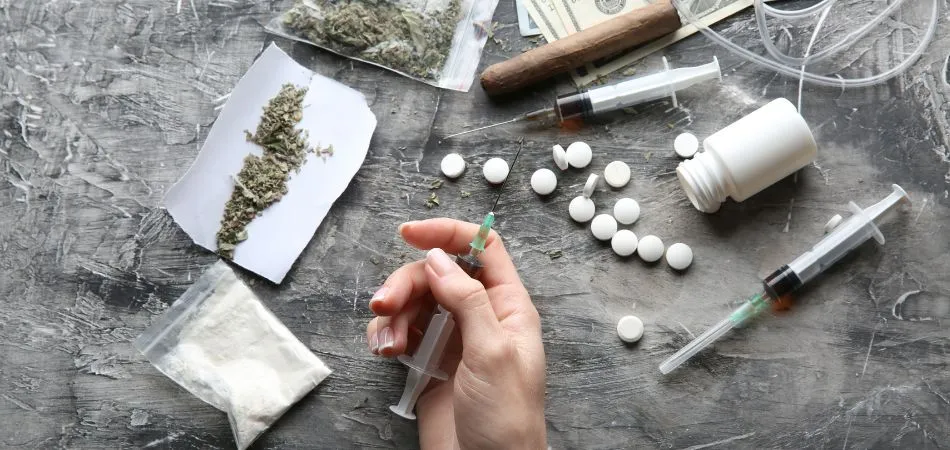
Talk to counsellors at any de-addiction centre in Punjab and a familiar arc emerges. It rarely starts with heroin or a hard drug. It starts small — a cigarette shared with friends, a drink at a wedding, a pill borrowed to get through exam stress or a double shift. Over months or years, dependence builds quietly. By the time families notice, the person is often already deep into a cycle they cannot break through willpower alone.
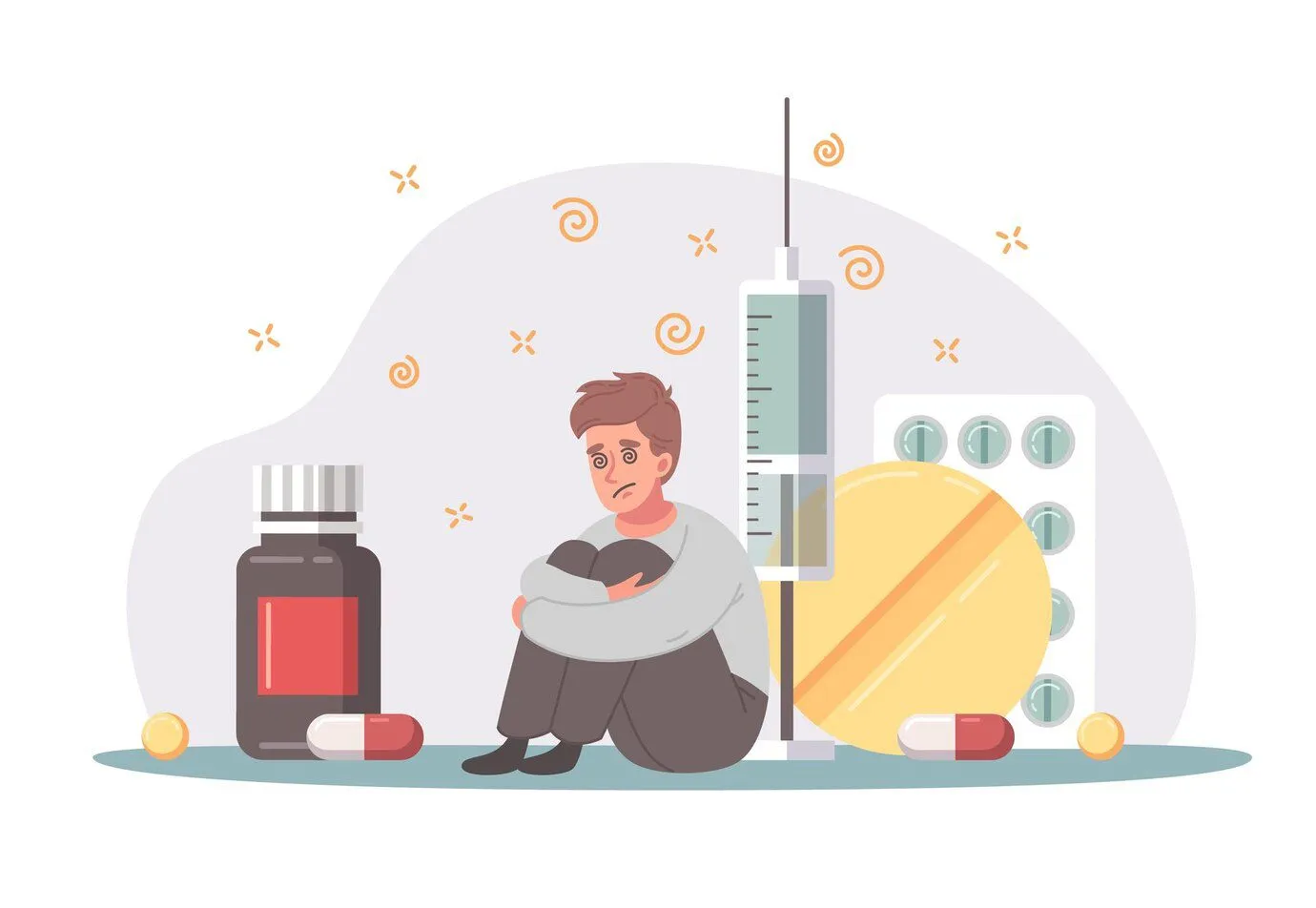
This is not a character flaw. Addiction changes how the brain processes reward and stress, which is why so many people who try to quit on their own relapse within days of the withdrawal symptoms setting in. Recognising this is often the first real step a family takes — not blaming the person, but understanding that they are dealing with a medical and psychological condition that needs structured treatment.
Why Self-Recovery Rarely Works
Most families try the home route first: locking away money, confronting the person, appealing to their sense of responsibility. It is an understandable instinct, but it usually fails for three reasons.
First, withdrawal itself can be physically dangerous depending on the substance and duration of use, and needs medical supervision rather than willpower. Second, the emotional and psychological triggers behind the addiction — untreated anxiety, trauma, workplace pressure, peer influence — don't disappear just because the substance is removed. Third, without any external structure, the same environment and temptations that fed the addiction remain right outside the door.
This is the gap that a professional Nasha Mukti Kendra is built to fill: a setting where detox happens under medical watch, where counselling addresses the "why" behind the addiction, and where the person is physically removed from the routines that reinforced their habit.
What a Good Recovery Process Actually Looks Like
Across the de-addiction centres operating in and around Punjab today — government-run and private — a fairly consistent treatment framework has emerged, refined over years of practice:
- Assessment – understanding the person's substance-use history, physical health, and any co-occurring mental health concerns before deciding on a treatment plan.
- Medically supervised detoxification – managing withdrawal safely, usually over a period of two to four weeks depending on the substance involved.
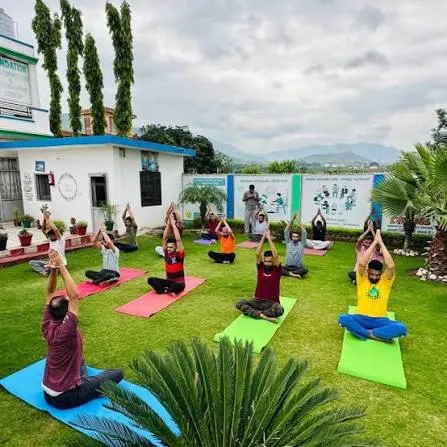
- Individual and group counselling – working through the underlying stress, trauma, or habits that fed the dependency, while also building peer accountability.
- Family involvement – rebuilding trust and communication, since relapse rates drop significantly when families are trained to support recovery rather than unintentionally enable old patterns.
- Aftercare and relapse prevention – the phase most families underestimate. Recovery doesn't end at discharge; the months that follow, when the person returns to daily life, are often the most fragile.
Punjab's state health department has been pushing this last point in particular. A community-based rehabilitation model introduced this year extends structured support to patients' homes for a set period after they leave a de-addiction centre, specifically to reduce relapse once the intensive phase of treatment ends. It reflects a broader, welcome shift in how recovery is being approached — not as a one-time detox event, but as a process that needs support well beyond the treatment centre's walls.
What to Ask Before Choosing a Centre
For a family in Dera Bassi researching options, it helps to move past marketing language and ask practical questions:
- Is detox medically supervised, with a doctor available for emergencies?
- What does the counselling structure look like — individual sessions, group therapy, or both?
- Is there a defined aftercare plan once the patient is discharged?
- Are families included in the process, or is treatment entirely isolated from them?
- How is the centre's environment — is it calm and private, or crowded and impersonal?
These questions matter more than any single claim a centre makes about itself. A treatment approach that includes medical detox, real counselling, family involvement, and structured aftercare gives a person a genuinely better shot at long-term sobriety than one that only offers a bed and a lock on the door.
A Regional Option Worth Knowing About
For residents of Dera Bassi, Zirakpur, Mohali, and the surrounding belt, Paryas Foundation's Nasha Mukti Kendra in Derabassi is one of the centres built around this fuller model — medically supervised detox, individual and group counselling, and family involvement sessions aimed at rebuilding relationships alongside the person's own recovery. Whether or not it turns out to be the right fit for a particular family, it's a useful starting point for understanding what a structured treatment programme in this region actually involves.
The First Step Is Usually the Hardest One
Nothing about addiction recovery is instant, and no centre — however well-run — can promise a guaranteed or permanent cure. What responsible treatment can offer is a structured, medically sound path and a support system that makes lasting recovery realistically achievable.
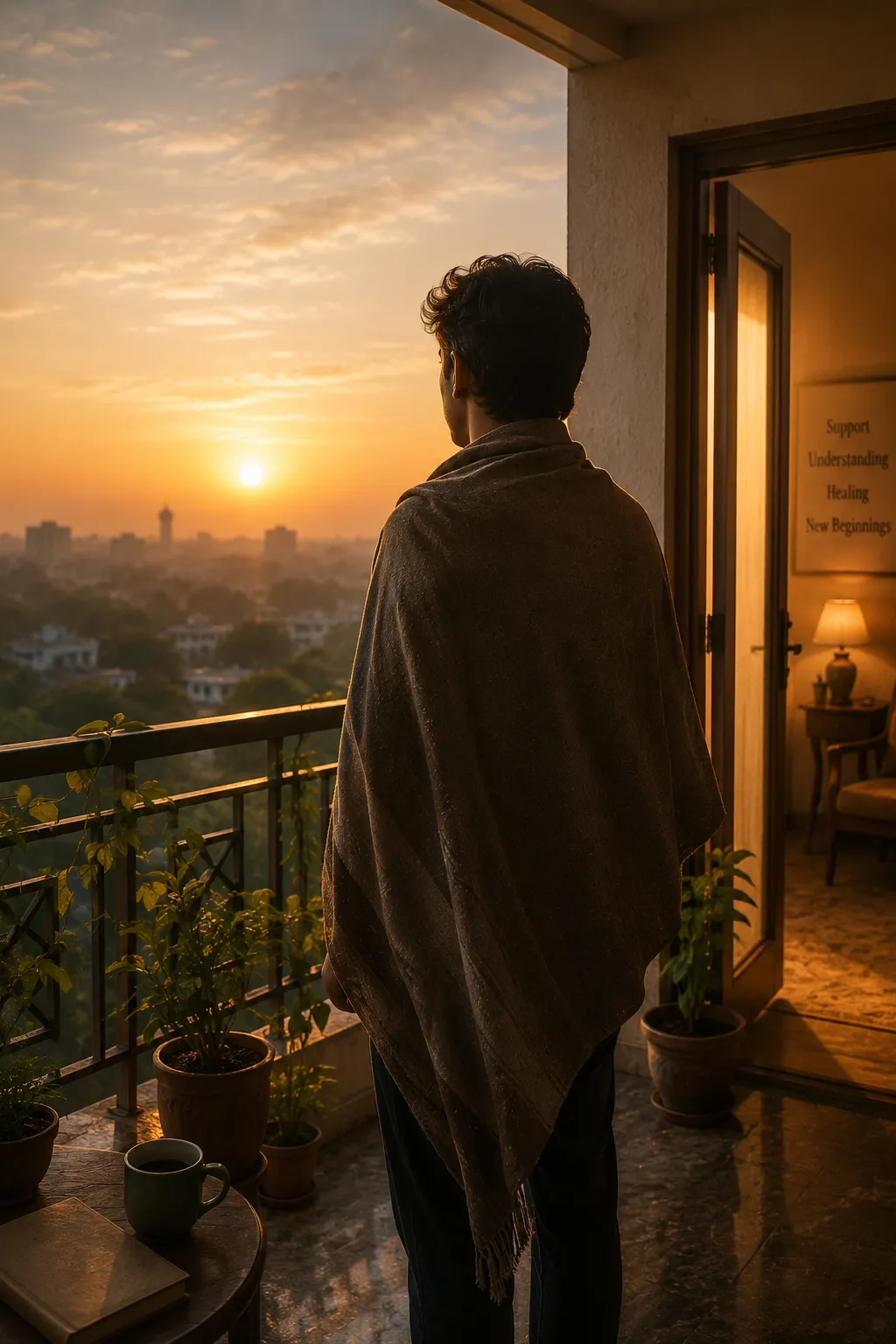
If there's one thing that comes through clearly in every recent report on Punjab's drug crisis, it's this: the number of people willing to ask for help is rising. That, more than any single statistic, is the most hopeful part of the story. For a family in Dera Bassi watching someone they love struggle, the hardest part is often just picking up the phone and starting that first conversation. Everything else — the assessment, the treatment plan, the recovery itself — follows from there.




























Sign in to leave a comment.