What Families Should Look for When Choosing Residential Care

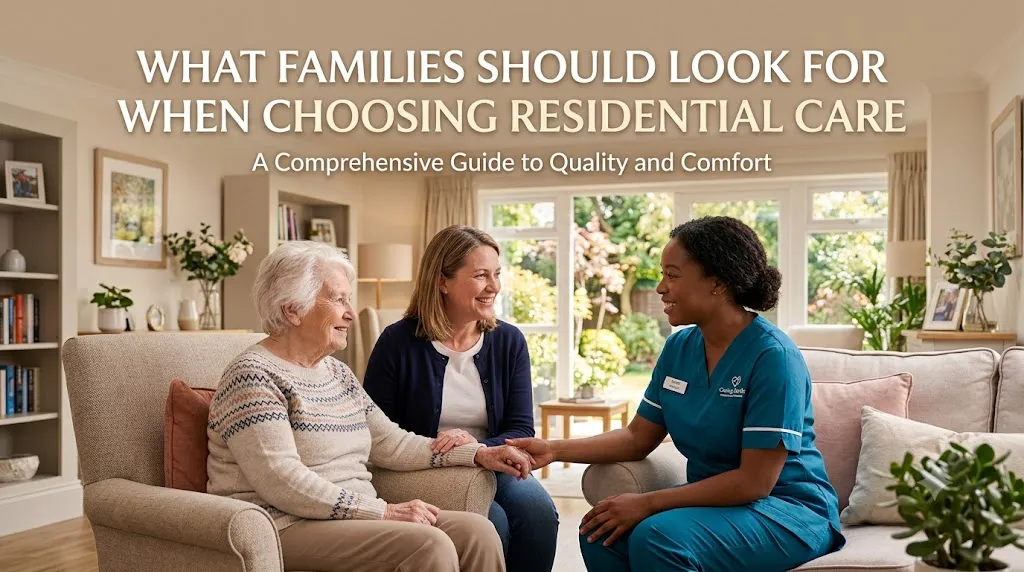
Choosing the right care home is an important decision for older adults and their families. Whether someone needs additional help with everyday activities, ongoing personal care, or a supportive environment where they can enjoy greater independence, finding a suitable home requires careful consideration. The right setting should provide more than accommodation; it should offer safety, dignity, companionship, and care that reflects each resident's individual needs.
Families often begin their search when managing care at home becomes difficult or when an older person requires more consistent professional support. Understanding what to look for can make the process less stressful and help families make a confident decision based on quality, comfort, and personalised care.
What Is a Care Home?
A care home is a residential setting where older adults can receive accommodation alongside varying levels of personal and practical support. Depending on the type of home, services may include assistance with washing and dressing, medication support, meals, mobility, housekeeping, and social activities.
The level of care available can differ between homes. Some provide general residential support, while others specialise in nursing care or support for people living with particular conditions. This makes it important to understand the person's needs before comparing different options.
A good care environment should also feel welcoming rather than institutional. Residents should have opportunities to maintain routines, make choices, develop friendships, and participate in activities that give structure and enjoyment to everyday life.
When Should You Consider Residential Care?
There is no single point at which every person should move into residential care. The decision depends on health, mobility, personal preferences, family circumstances, and the amount of support required.
Some signs that additional residential support may be worth considering include:
- Increasing difficulty with daily activities: If an older person regularly struggles with bathing, dressing, preparing meals, or moving safely around the home, professional assistance may provide greater comfort and reduce everyday risks.
- Concerns about safety: Frequent falls, difficulty using household equipment, or problems managing stairs can make independent living increasingly challenging. A suitable residential environment can provide a safer setting with staff available to offer assistance when needed.
- Growing social isolation: Living alone can sometimes result in loneliness and reduced social interaction. A supportive residential community can create opportunities for conversation, group activities, shared meals, and meaningful relationships.
- Family members becoming overwhelmed: Relatives may provide substantial informal support while balancing work and other responsibilities. Residential care can provide consistent assistance while allowing family relationships to remain focused on companionship rather than becoming centred entirely around caregiving.
What Services Should You Look For?
When comparing a care home, families should look beyond the appearance of the building. The quality and consistency of care are equally important.
Ask about the range of services available and whether they can adapt as the resident's needs change. A home that offers flexible support may be better positioned to provide continuity if an individual's care requirements develop over time.
Important services may include:
- Personalised personal care: Residents may require different levels of assistance with bathing, dressing, grooming, toileting, and mobility. Staff should provide this support respectfully while encouraging residents to remain as independent as possible.
- Nutritious meals and dietary support: Meals should be enjoyable as well as nutritious. Ask whether menus can accommodate allergies, medical dietary requirements, cultural preferences, and individual tastes.
- Medication assistance: Some residents need help remembering or managing medication. Families should understand how medicines are stored, administered, monitored, and reviewed.
- Activities and social opportunities: Regular activities can support emotional wellbeing and help residents maintain interests. Look for homes offering a mixture of creative activities, exercise, entertainment, outings, and opportunities for informal socialising.
Why Personalised Care Matters
Every resident has a different background, routine, personality, and set of preferences. Personalised care recognises these differences instead of treating everyone according to the same schedule.
For example, one resident may enjoy starting the morning early and joining group activities, while another may prefer a slower morning and quiet time before socialising. Staff who understand these preferences can provide support that feels respectful and familiar.
Personalised care can also involve understanding a resident's hobbies, family relationships, dietary preferences, communication style, and emotional needs. These small details can make a significant difference to how comfortable someone feels after moving into a new environment.
Checking the Quality of a Care Home
Before making a decision, families should visit potential homes whenever possible. A visit provides an opportunity to observe the environment and speak with staff and residents.
During a visit, consider the following:
- Atmosphere and cleanliness: Notice whether communal areas appear clean, comfortable, and well maintained. The overall atmosphere should feel welcoming, calm, and appropriate for the people living there.
- Staff interaction: Pay attention to how staff communicate with residents. Respectful conversation, patience, and genuine engagement can provide useful insight into the home's approach to care.
- Resident wellbeing: Look at whether residents appear comfortable and engaged. Are people participating in activities, talking with others, or spending time in communal areas according to their preferences?
- Accommodation and facilities: Check bedrooms, bathrooms, lounges, gardens, dining areas, and other shared spaces. Consider whether the environment is accessible and suitable for the resident's mobility and personal requirements.
Questions to Ask During a Visit
Families should prepare questions before visiting a potential home. This helps ensure that important areas are not overlooked during the conversation.
Useful questions include:
- What level of personal care can staff provide?
- How are individual care plans created and reviewed?
- How many staff members are available during different shifts?
- What activities are available throughout the week?
- How are families involved in a resident's care?
- How are dietary preferences and special requirements managed?
- What happens if a resident's care needs change?
- What procedures are followed during emergencies?
- How is medication managed?
- What costs are included and which services may require additional fees?
Clear answers to these questions can help families compare homes more objectively and understand whether a particular setting is appropriate.
Helping a Loved One Adjust
Moving into residential care can be an emotional experience. Even when the move is necessary, a new environment can initially feel unfamiliar. Families can make the transition easier by bringing familiar belongings, photographs, books, favourite decorations, or other meaningful items.
Maintaining regular contact can also provide reassurance. Visits, phone calls, shared meals, and participation in activities can help residents establish a sense of familiarity and belonging.
It is equally important to give the resident time to adapt. Building relationships with staff and other residents may take several weeks, and families should remain supportive throughout this adjustment period.
Making the Right Decision
Selecting the right care home should ultimately be based on the individual's needs, preferences, safety, and quality of life. Cost is naturally an important consideration, but it should be evaluated alongside the level of care, staff support, facilities, activities, accommodation, and overall environment.
Families should avoid making a decision based solely on photographs or online descriptions. Visiting the home, asking detailed questions, reviewing available information, and discussing preferences with the person who will receive care can provide a much clearer picture.
The best choice is a setting where residents feel respected, supported, and comfortable while still having opportunities to make choices and enjoy meaningful everyday experiences.
Conclusion
Finding the right residential care environment takes time, but careful research can make the decision much easier. A high-quality care home should provide appropriate professional support while promoting independence, dignity, social connection, and emotional wellbeing.
Whether you are planning ahead or looking for care because circumstances have recently changed, start by identifying the level of support required and the lifestyle your loved one wants to maintain. Compare suitable homes, arrange visits, speak with staff, and ask detailed questions before making a final decision.
If you or your family are exploring residential care options, take the next step by contacting a trusted care provider to discuss individual needs, available services, accommodation, and personalised support. Arrange a visit or consultation today and discover a welcoming care environment where your loved one can receive dependable support while enjoying comfort, dignity, and meaningful daily experiences.









Sign in to leave a comment.