

Choosing the right career path can be challenging, especially with changing job markets, evolving skill requirements, and increasing competition. Many professionals and students need more than just job listings or basic advice—they need tools that help them understand their strengths, improve their skills, and create a clear plan for future growth. A well-designed career development platform can provide personalized resources, assessments, and guidance to help individuals make informed career decisions.
Unlike traditional approaches where people often rely on general advice from friends, mentors, or online searches, modern platforms use data-driven tools to create more personalized experiences. Features such as skill assessments, career planning resources, learning recommendations, and progress tracking can make career growth more structured and achievable. For those looking for additional support, career coaching resources within these platforms can help users identify goals, overcome challenges, and make better professional decisions based on their interests and abilities.
Key Features to Consider in a Career Development Platform
Not every platform offers the same level of support. Before choosing one, it is important to understand the features that can provide real value for your career journey.
1. Personalized Career Assessments
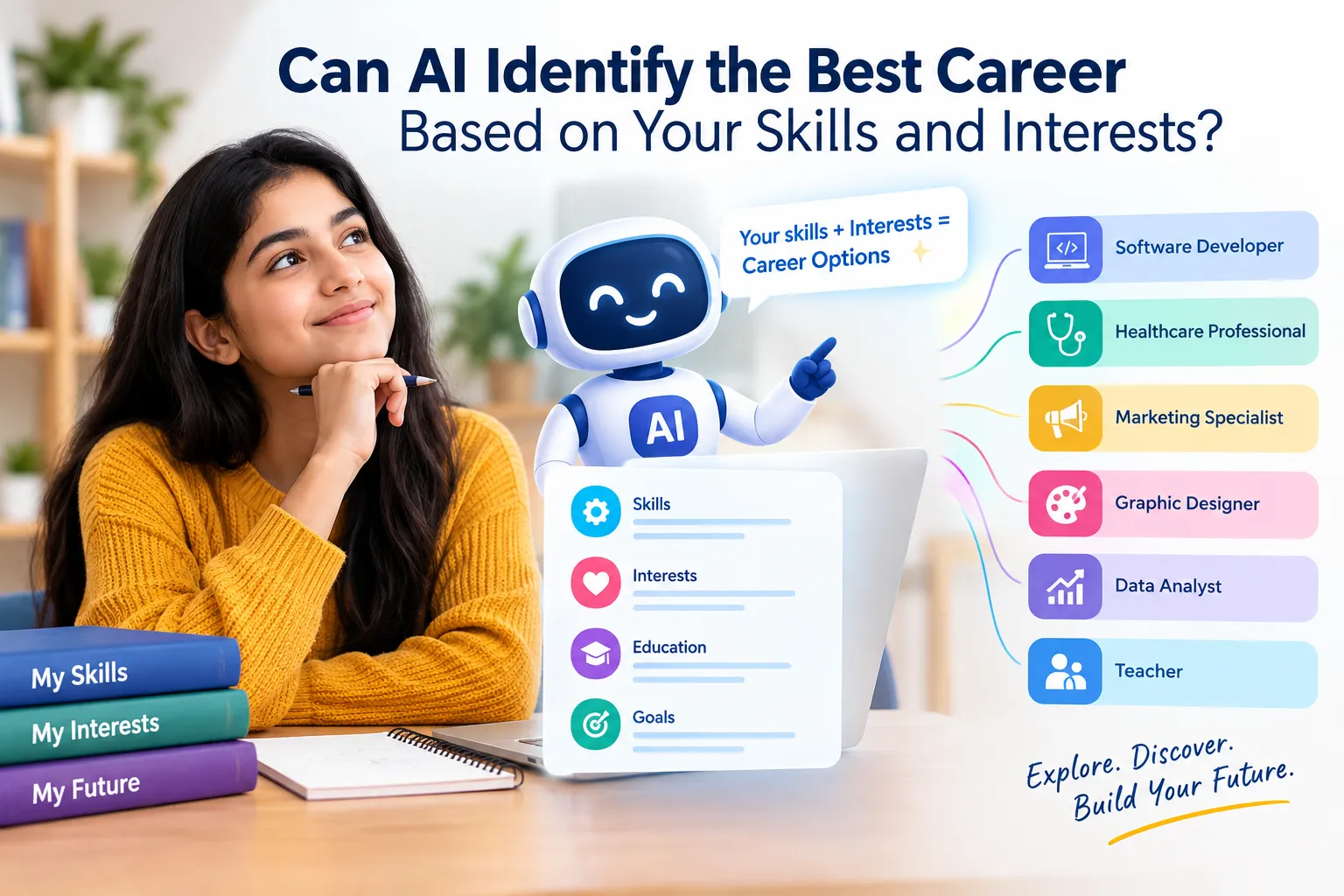
A useful platform should begin by helping users understand themselves better. Career assessments can evaluate skills, interests, personality traits, and professional preferences to suggest suitable career directions.
These assessments can help users:
- Identify their strongest skills and areas for improvement
- Understand potential career paths based on their interests
- Discover opportunities they may not have considered
- Create a clearer career development plan
A personalized approach ensures that recommendations are based on individual goals rather than generic career suggestions.
2. Skill Gap Identification
The job market changes quickly, and the skills required for different roles continue to evolve. A strong career development platform should help users identify the difference between their current abilities and the skills needed for their desired career.
Skill gap analysis allows users to:
- Recognize missing technical or soft skills
- Understand industry expectations
- Find relevant courses or learning opportunities
- Prioritize skills that can improve career growth
This feature is especially helpful for professionals who want to advance in their current field or transition into a new industry.
3. Personalized Learning Recommendations
Career growth often depends on continuous learning. A good platform should recommend relevant resources based on a user's career goals, current skills, and areas for improvement.
Learning recommendations may include:
- Online courses
- Certifications
- Skill-building exercises
- Industry-specific training materials
Instead of spending hours searching for suitable resources, users can access recommendations that align with their career objectives.
4. Career Path Planning Tools
A clear career roadmap can make professional development easier to manage. Career development platforms should offer tools that help users visualize possible career paths and understand the steps required to reach their goals.
These tools can include:
- Short-term and long-term career goals
- Required skills for specific roles
- Suggested milestones
- Progress tracking options
Having a structured plan helps users stay focused and measure their improvement over time.
5. Resume and Profile Improvement Support
A career development platform should also help users present their skills effectively. Resume-building and profile optimization features can improve how candidates showcase their experience to potential employers.
Useful features may include:
- Resume feedback
- Keyword suggestions
- Achievement-focused writing guidance
- Profile improvement recommendations
These tools can help job seekers create stronger professional profiles and improve their chances of attracting opportunities.
6. Industry Insights and Career Trends
Understanding current industry trends is important for making informed career decisions. Platforms that provide market insights can help users learn about growing fields, in-demand skills, and changing job requirements.
Industry insights can help users:
- Explore emerging career opportunities
- Understand employer expectations
- Prepare for future skill requirements
- Make better career planning decisions
Access to updated information allows individuals to align their development efforts with real-world opportunities.
7. Progress Tracking and Goal Management
Career development is an ongoing process, and tracking progress can help users stay motivated. Platforms with goal management features allow individuals to monitor completed tasks, learning progress, and career milestones.
Progress tracking helps users:
- Maintain consistency in skill development
- Review achievements
- Adjust goals when needed
- Stay organized throughout their career journey
A platform that supports continuous improvement can become a long-term career growth partner.
8. AI-Powered Recommendations and Guidance
Artificial intelligence is becoming an important part of modern career development tools. AI-powered features can analyze user information, identify patterns, and provide personalized suggestions.
AI-based support can help with:
- Career exploration
- Skill recommendations
- Job role matching
- Personalized learning suggestions
However, users should look for platforms that combine technology with accurate information and practical resources rather than relying only on automated recommendations.
How to Choose the Right Career Development Platform
When comparing different platforms, consider your specific career needs. Students may need career exploration and skill-building resources, while professionals may focus on advancement, reskilling, or career transitions.
Look for a platform that offers:
- Easy-to-use tools and clear navigation
- Personalized recommendations
- Reliable career resources
- Updated industry information
- Features that match your professional goals
The best platform is one that supports your individual journey rather than offering a one-size-fits-all approach.
Conclusion
A career development platform can provide valuable support by helping individuals understand their skills, explore opportunities, and create a structured growth plan. Features such as assessments, skill analysis, learning recommendations, career planning tools, and AI-powered insights can make career development more organized and effective.
As technology continues to improve, tools like career guidance AI are making it easier for individuals to receive personalized recommendations based on their goals, interests, and professional background. Choosing a platform with the right combination of features can help users take more confident steps toward building a successful career.
FAQs
1. What is a career development platform?
A career development platform is an online tool that helps individuals plan, manage, and improve their careers through assessments, learning resources, skill recommendations, and career planning features.
2. How can a career development platform help professionals?
It can help professionals identify skill gaps, discover growth opportunities, improve their profiles, and create a roadmap for achieving their career goals.
3. Are career development platforms useful for students?
Yes, students can use these platforms to explore career options, understand their strengths, develop relevant skills, and prepare for future job opportunities.
4. What makes a career development platform effective?
An effective platform provides personalized recommendations, reliable resources, career assessments, skill development tools, and progress tracking features.
5. Can AI improve career development platforms?
AI can improve these platforms by analyzing user information and providing personalized suggestions for career paths, skills, and learning opportunities.
























Sign in to leave a comment.