

Going through IVF can involve a lot of hope and expectations, so receiving a negative pregnancy result after the first cycle can be emotionally difficult. Many couples immediately wonder whether they should try again, change their treatment, or consider another fertility option. However, one unsuccessful IVF cycle does not necessarily mean that future treatment will not work.
IVF outcomes can be influenced by several factors, including age, egg and sperm quality, embryo development, uterine health, and the response to fertility medication. After an unsuccessful cycle, a detailed review with a fertility specialist can help identify possible factors and determine what may be considered next.
Why Might IVF Not Work the First Time?
There is no single reason why an IVF cycle may not result in pregnancy. Even when fertilisation and embryo transfer occur successfully, implantation may not happen.
Egg quality can be an important factor, particularly as age increases. Problems affecting sperm quality may also influence fertilisation or embryo development. In some cases, embryos may stop developing before reaching the blastocyst stage.
Other factors can include problems with the uterine lining, hormonal conditions, certain reproductive disorders, or chromosomal abnormalities in embryos. Sometimes, despite thorough evaluation, no specific reason can be identified.
This is why couples should avoid assuming that they did something wrong. IVF is a medical treatment, and a single cycle cannot always predict the outcome of future attempts.
Should You Try IVF Again?
For many couples, another IVF cycle may be considered after reviewing the results of the first attempt. However, there is no universal waiting period or treatment plan that applies to everyone.
The fertility specialist may review how the ovaries responded to stimulation, how many eggs were retrieved, how many were mature, fertilisation rates, embryo development, and the outcome of the embryo transfer.
Based on this information, the doctor may recommend repeating the existing protocol or making appropriate changes. Additional investigations may also be suggested if there is a reason to look more closely at a particular fertility factor.
Can the IVF Treatment Plan Be Changed?
One benefit of reviewing a previous cycle is that doctors have more information about how the patient's body responded to treatment. The next cycle can therefore be planned according to the findings from the earlier attempt.
Changes may involve the type or dosage of fertility medication, timing of procedures, fertilisation methods, or embryo transfer strategy. The appropriate approach depends on the patient's age, ovarian reserve, previous response, sperm factors, and other medical considerations.
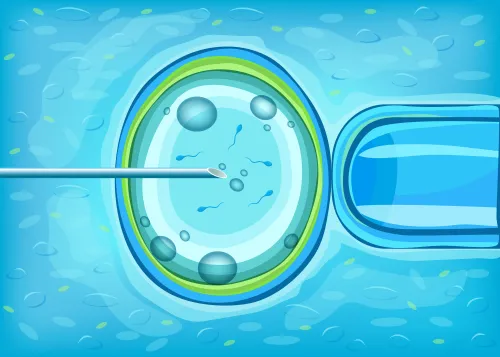
For couples dealing with significant male-factor infertility, ICSI treatment may be considered when medically appropriate. ICSI involves injecting a single sperm directly into a mature egg to assist fertilisation.
What If There Were Problems With Embryo Development?
Sometimes the main difficulty during an IVF cycle is not egg retrieval or fertilisation but embryo development. Some embryos may stop developing during the first few days, while others may not reach the blastocyst stage.
Blastocyst culture treatment allows embryos to continue developing in the laboratory for several days, generally until day five or six. This gives embryologists additional time to observe embryo development before deciding whether suitable embryos can be transferred or frozen.
Not every embryo will reach the blastocyst stage, and extended culture does not guarantee pregnancy. The decision to use this approach should be based on the individual treatment situation.
What If There Are Suitable Frozen Embryos?
If embryos were successfully frozen during the previous cycle, a fresh IVF cycle may not always be necessary for the next transfer. Depending on the circumstances, the fertility specialist may recommend a Frozen Embryo Transfer.
During a frozen transfer cycle, a previously preserved embryo is transferred after appropriate preparation of the uterine lining. The timing and method of preparation can vary depending on the patient's menstrual cycle and medical needs.
Using a frozen embryo can allow the transfer to take place separately from ovarian stimulation and egg retrieval. Whether this is the most appropriate option depends on the individual treatment plan.
Could Genetic Testing Be Considered?
In selected cases, the fertility specialist may discuss genetic testing of embryos. Chromosomal abnormalities can occur naturally in embryos and may contribute to implantation failure or early pregnancy loss.
Embryo biopsy for PGT testing involves collecting a small number of cells from an embryo for genetic analysis. PGT may be considered for specific medical or reproductive reasons and is not automatically required for every IVF patient.
Patients should discuss the potential benefits, limitations, and suitability of genetic testing with their fertility specialist before making a decision.
What About Male Fertility Factors?
A failed IVF cycle can sometimes highlight the importance of evaluating male fertility as well as female fertility. Sperm count, motility, morphology, and other sperm-related factors may influence fertilisation and embryo development.
If male-factor infertility is identified, male infertility treatment may include lifestyle changes, medication, hormonal evaluation, surgical treatment, or assisted reproductive procedures depending on the underlying cause.
In some situations, procedures such as surgical sperm retrieval may also be considered to obtain sperm for use in assisted reproduction.
When Should You Consider Another Fertility Centre?
If your first IVF cycle was unsuccessful, seeking another opinion can be reasonable, particularly if you have concerns about the diagnosis, treatment plan, communication, or available fertility services.
When choosing an IVF Center in India, consider the experience of the fertility specialists, embryology laboratory facilities, available treatment options, quality of patient care, and how clearly the medical team explains your previous treatment results.
A good fertility centre should focus on understanding why a cycle may not have worked rather than simply recommending another attempt without reviewing the details.
Why Choose SCI IVF Fertility Center and IVF Center in India?
SCI IVF provides comprehensive fertility care for couples dealing with different causes of infertility. The centre offers services including IVF, ICSI, blastocyst culture, frozen embryo transfer, embryo biopsy for PGS/PGD testing, male infertility treatment, surgical sperm retrieval, ovarian induction, and other assisted reproductive procedures.
The fertility team reviews the patient's medical history and previous treatment outcomes before developing an appropriate treatment plan. This can be particularly useful for couples returning after an unsuccessful IVF cycle, as the previous response to treatment can provide valuable information for planning the next step.
For couples searching for a Fertility Center in India, SCI IVF offers access to different fertility services and specialised reproductive care under one centre. Patients can discuss their previous IVF experience, available treatment options, and individual concerns with the fertility team before deciding how to proceed.
Final Thoughts
An unsuccessful first IVF cycle can be disappointing, but it does not necessarily mean that future treatment will be unsuccessful. Several factors can influence IVF outcomes, and sometimes the reason for a failed cycle is not immediately clear.
A detailed review of the previous cycle can help identify areas that may need further evaluation or changes. Depending on the situation, the next step could involve another IVF cycle, ICSI, blastocyst culture, frozen embryo transfer, genetic testing, or treatment for an underlying male or female fertility issue.
Rather than making a decision based only on the pregnancy result, couples should discuss their complete treatment history with an experienced fertility specialist. A personalised approach can help them understand their options and make a more informed decision about the next stage of their fertility journey.




























Sign in to leave a comment.