What Happens If Your Weekender Is Broken Into Between Visits?

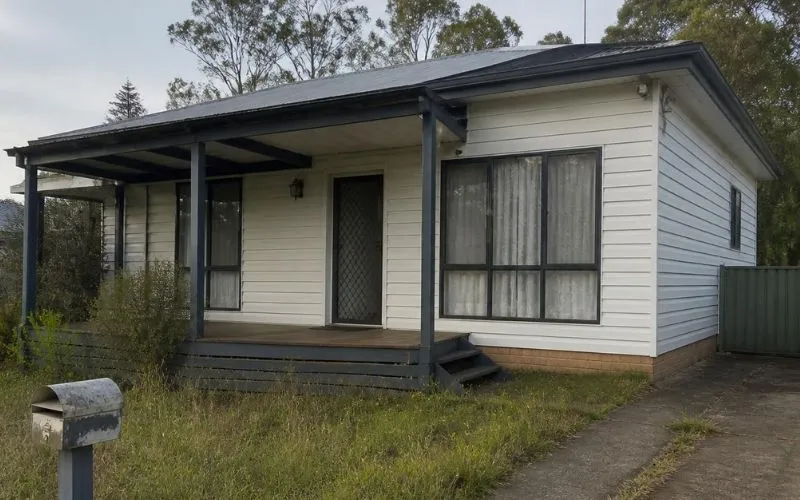
A weekender sits empty most of the week. No one's there to notice a broken window or a forced door. By the time an owner arrives, days or even weeks may have passed since anything went wrong.
This gap is exactly what makes holiday homes a different kind of security problem. It's not just about preventing entry. It's about knowing entry happened at all, and knowing it fast enough to matter.
This guide covers why empty holiday homes attract more risk, what actually happens when a break-in goes unnoticed, and how a wireless alarm system closes that gap. It also looks at where CCTV fits alongside an alarm, and what's worth checking before every visit.
Key Takeaways
- Unoccupied properties are lower-risk targets because there's no one to interrupt an intruder
- A delayed discovery often means more damage, not just theft
- A wireless alarm system alerts the owner the moment entry happens, not days later
- CCTV adds visual confirmation of what happened and who was involved
- Remote monitoring matters most for properties no one checks on regularly
Why Do Empty Holiday Homes Get Targeted More Often?
An occupied home has constant, small signs of life. Lights turning on, cars coming and going, someone answering the door. A weekender has none of that most of the time.
This absence is easy to notice from the outside. A property with no activity for days signals an opportunity, not a barrier. Intruders are less concerned with locks and more concerned with how long they'll have before anyone notices.
What Actually Happens in the Days After a Break-In Goes Unnoticed?
A break-in that isn't discovered immediately rarely stays contained. A door left open invites weather damage. A window left broken invites a second visit, sometimes by someone else entirely.
Cost tends to compound the longer the property sits unmonitored. What starts as a single point of entry can turn into water damage, further theft, or structural issues by the time an owner arrives. The financial impact often has less to do with what was taken and more to do with how long the damage went unaddressed.
How Does a Wireless Alarm System Stop a Break-In From Going Unnoticed?
The core issue with a weekender isn't prevention. It's timing. A wireless alarm system for home changes the timeline entirely, since it notifies the owner the moment entry occurs, not whenever the next visit happens to fall.
This shifts the response window from days to minutes. An alert lets an owner contact a neighbour, a property manager, or emergency services immediately, rather than discovering the damage well after the fact. Wireless systems also install without major rewiring, which suits a property that isn't lived in full-time and doesn't need constant on-site adjustment.
Does a Weekender Need CCTV as Well as an Alarm?
An alarm confirms that entry happened. It doesn't show what happened next, or who was involved. This is where CCTV becomes useful alongside an alarm, rather than as a replacement for one.
Coastal properties in Albert Park with CCTV are a common example of owners pairing visual coverage with an alarm system, particularly for properties with multiple entry points like a side gate, garage, or secondary door. The alarm triggers the alert. The footage confirms the detail.
Why Is Remote Monitoring Especially Important for a Property You Don't Live In?
A primary residence has a person nearby most of the time, even if it's just a neighbour who'd notice something unusual. A weekender often doesn't have that safety net at all.
Remote monitoring closes this gap by putting the owner in the same position as if they lived there full-time. A phone alert replaces the neighbour who would otherwise notice. This matters more for a holiday home than almost any other property type, simply because the usual signs of a problem, a neighbour's phone call, a passer-by noticing something odd, are far less likely to happen.
What Should a Weekender Owner Actually Check Before Their Next Visit?
- Confirm the alarm system is still connected and sending alerts correctly
- Check that any cameras have a clear, unobstructed view of entry points
- Test that notifications are reaching the right phone number or app
- Review the property's last recorded activity or alert history
So Is a Wireless Alarm Worth It for a Property You Only Visit Occasionally?
A weekender's biggest risk isn't the break-in itself. It's the delay between when it happens and when someone finds out. A wireless alarm system closes that delay, and CCTV adds the detail an alarm alone can't provide.
For a property that sits empty most of the time, this combination turns an unknown gap into a monitored one. That shift, from finding out days later to knowing within minutes, is usually what decides whether a weekender stays a low-risk property or an easy target.






Sign in to leave a comment.