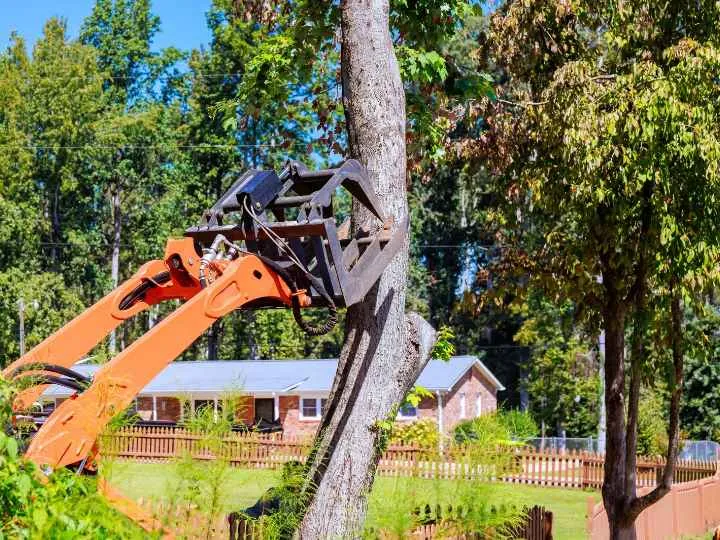

How Tree Removal Teams Handle the Wood
Once a tree has been removed, the work does not necessarily end with cutting it down. The remaining trunk, branches and timber must be handled carefully to keep the property safe and determine how the wood can be reused. A professional tree removal service Sydney property owners rely on will generally assess the condition of the timber, separate the branches from the main trunk and decide whether the material can be recycled, repurposed or disposed of responsibly.
The method used to manage the wood depends on several factors, including the tree species, its size, the condition of the timber and the reason for removal. A healthy tree may provide useful timber for furniture or landscaping, while a diseased or severely damaged tree may require specialised disposal. Understanding these options helps property owners make informed decisions about what happens to the wood after removal.
Turning Tree Trunks into Useful Timber
One of the most valuable uses for a removed tree is converting its trunk into usable timber. Depending on the species and the condition of the wood, the trunk may be cut into manageable sections and transported to a timber processing facility.
Timber for Furniture and Woodworking
Hardwood species can sometimes be processed into boards for furniture, shelving, cabinetry and other woodworking projects. The suitability of the timber depends on its strength, grain, moisture content and freedom from decay.
Before the wood can be used, it usually needs to be milled and dried. Proper drying reduces moisture and helps minimise warping, cracking and other problems that can occur as the timber ages.
Reclaimed Wood for Decorative Projects
Some timber is suitable for decorative applications, including feature walls, rustic furniture, garden benches and handmade wooden ornaments. Reclaimed timber can provide a natural appearance and preserve the character of the original tree.
However, not every removed tree produces usable timber. Internal decay, insect damage and extensive cracking can limit the ways in which the wood can be reused.
Recycling Branches and Smaller Wood Pieces
Branches, twigs and smaller sections of the trunk are often managed differently from large timber logs. Rather than sending all the material to landfill, tree removal professionals may arrange for suitable green waste to be processed into useful products.
Converting Wood into Mulch
Mulching is a common way to reuse branches and smaller wood pieces. A wood chipper breaks the material into smaller fragments that can be used in gardens and landscaped areas.
Mulch helps retain soil moisture, reduces weed growth and protects the soil surface from temperature fluctuations. It can also contribute organic matter as it gradually decomposes.
Property owners may be able to keep some of the mulch for their gardens, depending on the service agreement and the condition of the material. However, wood from diseased trees may need different handling to prevent the spread of pests or plant diseases.
Producing Compost and Soil Amendments
Wood chips and other suitable green waste may be incorporated into composting processes. When managed correctly, these materials can contribute carbon to compost mixtures.
Fresh wood chips generally break down slowly, so they are not always suitable for immediate use as a finished compost product. They are often better suited to mulching or to controlled composting processes that allow sufficient time for decomposition.
Using Removed Wood for Firewood
Another practical option is cutting suitable timber into firewood. Some property owners prefer to retain logs from a removed tree, particularly when the timber is suitable for domestic heating or outdoor fire pits.
Selecting Suitable Firewood
Not all tree species produce the same quality of firewood. Some hardwoods burn for longer, while other species may produce more smoke or burn quickly. The condition of the wood also matters.
Freshly cut timber usually contains significant moisture and needs to be seasoned or properly dried before burning. Burning wet wood can produce excessive smoke and contribute to creosote accumulation in chimneys.
It is important to check local rules and any restrictions relating to outdoor fires before using the timber. Wood affected by certain treatments, chemicals or contaminants should not be burned.
Recycling Wood Through Commercial Facilities
When timber cannot be reused directly, recycling facilities may provide another option. Depending on the material and the facility's requirements, clean wood may be processed into wood chips, landscaping products or other recycled materials.
A professional tree removal service Sydney residents engage may organise the transport of logs, branches and green waste to suitable processing facilities as part of the overall job.
Separating Different Types of Waste
Tree removal can produce more than wood alone. The job may also generate leaves, soil, roots and other debris. Separating these materials can make recycling more efficient.
Clean timber may be accepted by some recycling facilities, while contaminated or treated wood may require a different disposal method. The available options depend on local facility rules and the type of waste collected.
What Happens to Diseased or Damaged Wood?
Wood from a diseased, pest affected or structurally damaged tree requires additional consideration. Reusing this material without assessing the risks may spread pests or plant diseases to other trees and gardens.
Safe Handling and Disposal
Tree professionals may inspect the timber to identify signs of decay, fungal growth or insect activity. Depending on the problem, the wood may need to be separated from healthy material and sent for an approved disposal or treatment process.
Burning, transporting or reusing affected timber is not always appropriate. Specific plant disease and pest management requirements may apply, so professional advice is useful when the tree has been removed because of an infestation or disease.
Can Property Owners Keep the Wood After Tree Removal?
In many cases, property owners can request to keep some or all of the removed wood. This should be discussed before work begins, as retaining the timber can affect cutting, handling, storage and transport arrangements.
Planning for Reuse
If you want to keep the wood, consider whether you need full length logs, smaller sections, firewood or wood chips. Communicating your preference in advance allows the tree removal team to plan the work accordingly.
You should also consider where the wood will be stored. Logs can be heavy, attract pests if stored poorly and take up considerable space. Keeping timber off the ground in a suitable, well ventilated location can help manage moisture and reduce deterioration.
Frequently Asked Questions
1. Is the wood always taken away after tree removal?
No. Depending on the agreement, the property owner may keep suitable logs, firewood or mulch. Other material may be transported to recycling facilities or disposed of appropriately.
2. Can removed tree wood be recycled?
Yes. Suitable timber and branches can be processed into mulch, wood chips, landscaping products and, in some cases, usable timber for woodworking.
3. How long does it take for freshly cut wood to dry?
Drying time varies according to the tree species, log size, climate, airflow and storage conditions. Firewood may take several months or longer to season properly.
4. Should I keep wood from a diseased tree?
Not without assessing the risks. Timber affected by pests or plant diseases may need specialised handling or disposal. Ask a qualified tree professional about the safest option before storing or reusing it.





















Sign in to leave a comment.