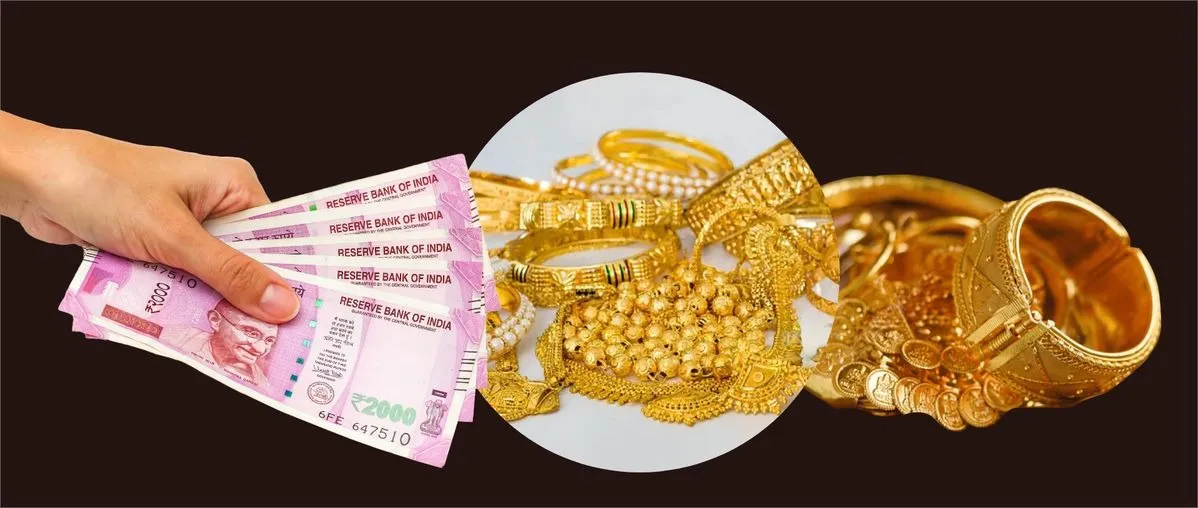

News that a lender has closed its branches, lost its licence, or entered insolvency can alarm borrowers whose jewellery remains in its custody. The immediate fear is understandable: if the business has failed, has the gold disappeared with it? Usually, the answer is no. Jewellery pledged for a gold loan is collateral against a specific debt. The lender holds it as security, subject to the loan agreement and applicable law; closure does not automatically convert it into an unrestricted asset for paying unrelated creditors. Even so, recovery may not follow the usual branch process. A regulator, administrator, liquidator, acquiring institution, or court-appointed official may take control of records and collateral. The outcome will depend on why the lender stopped operating, its regulatory status, and whether the borrower has repaid the outstanding amount.
Does the Gold Still Belong to the Borrower?
A pledge gives the lender a security interest in the jewellery while the gold loan remains outstanding. It does not ordinarily amount to an outright sale. The borrower retains an interest in the pledged gold, while the lender has the right to retain it until the dues are settled and, after default and due notice, may enforce the pledge as per applicable norms. That legal distinction remains important if the lender shuts down.
The jewellery should normally continue to be identified against the borrower’s loan account through custody records, packet numbers, assay certificates, photographs, and branch registers. Under the RBI’s gold and silver collateral framework applicable from April 2026, regulated lenders must maintain prescribed records of purity, gross weight, net weight, deductions, value, and the image of the collateral. They are also restricted from re-pledging borrowers’ gold. These safeguards support identification, although the actual release process may take longer when operations have moved to an administrator or successor.
A shutdown can arise in several ways. A branch may close while the lender continues operating elsewhere. The business may be acquired by another institution, its RBI registration may be cancelled, or a formal insolvency or liquidation process may begin. Each situation has a different administrative path. Borrowers should therefore avoid assuming that a locked branch means that the entire company has ceased to exist.
What Happens to the Loan After the Lender Closes?
The debt does not usually disappear merely because the original lender has stopped doing business. The loan book may be transferred to another regulated entity, managed by an administrator, or collected under a court-supervised process. Borrowers may receive a formal notice explaining where future payments must be made and which office will handle collateral release. Until such instructions are verified, money shouldn’t be sent to an unfamiliar account.
Repayment obligations, including the agreed gold loan interest rate, may continue according to the contract. Closure by itself does not normally freeze interest, extend the maturity date, or cancel overdue charges. However, the treatment of interest may differ if a regulator, tribunal, resolution authority, or court issues a specific order. Borrowers should rely on official notices rather than social-media messages or calls from unverified collection agents.
If a digital service remains available, the gold loan app may help retrieve statements, repayment receipts, or account information. A gold loan calculator can provide an estimate of repayment costs, but it cannot confirm the final settlement figure. That amount should come from the authorised entity controlling the account.
How Can a Borrower Trace and Recover the Pledged Jewellery?
The first task is to establish what has actually happened. Check the lender’s official website, notices displayed at the branch, communications sent to the registered mobile number, and regulatory announcements. For an RBI-regulated bank or NBFC, the RBI website may carry relevant directions or registration information. If formal insolvency has begun, public notices may identify the administrator or liquidator and provide a channel for submitting claims or account details.
A borrower should preserve and organise:
- The loan agreement, pledge card, and assay certificate
- Photographs or descriptions of the pledged jewellery
- KYC documents and the registered mobile number
- Bank statements showing disbursement and repayments
- Receipts for instalments, interest, or part-payments
- Emails, SMS messages, and complaint reference numbers
- Any closure, transfer, or insolvency notice received
These records help link the borrower to a particular collateral packet. If the original pledge receipt is missing, the authorised official may require additional identity checks, a loss declaration, or an indemnity, subject to lender policies and legal requirements.
Where the loan has been transferred, the successor institution should generally provide details of the outstanding amount and the process for redemption. If the account is fully repaid, request a no-dues statement and collateral-release appointment in writing. At collection, compare the jewellery with the image and description recorded when it was pledged. Weight, purity, number of items, and noted defects should be checked before signing an acknowledgement.
Can the Gold Be Auctioned During a Shutdown?
A lender’s closure does not, by itself, permit an unannounced auction of pledged jewellery. If the borrower has defaulted, enforcement may still continue through the lender, transferee, administrator, or liquidator, but the process must follow the loan agreement and applicable regulatory requirements. Under RBI directions, borrowers or their legal heirs must receive adequate notice before auction. The procedure should be transparent, and the reserve price must be linked to the current value of the collateral as prescribed.
After an auction, the borrower should receive details of the sale value and the dues adjusted. Any surplus must generally be refunded within the regulatory timeline, while a shortfall may be recoverable according to the agreement. A borrower who receives an auction notice should not ignore it simply because the original branch has closed. Instead, the notice and the sender’s authority should be verified promptly.
An auction notice may be questioned if it comes from an unidentified party, contains an unexplained payment demand, or provides no reasonable way to verify the account. Yet a genuine notice requires timely attention. Delay can narrow the options for repayment, settlement, or dispute resolution.
What Protections Apply If the Gold Cannot Be Returned?
If pledged collateral is lost, the lender must inform the customer and explain the reimbursement or compensation process. Compensation is generally governed by the lender’s approved policy and applicable law. Borrowers should make a written claim rather than rely only on verbal assurances.
Complaints should first be sent to the lender, successor entity, administrator, or liquidator through the designated channel. If a regulated entity does not resolve an eligible complaint, the borrower may consider the RBI Complaint Management System under the applicable Ombudsman framework. Insolvency-related ownership disputes or unresolved claims may require separate legal remedies, depending on the circumstances.
Conclusion
A lender’s shutdown can disrupt access to pledged jewellery, but it does not ordinarily erase the borrower’s rights or cancel the loan. The gold remains linked to the underlying account, while custody and collection responsibilities may pass to another authorised entity. Borrowers should verify official notices, continue payments only through confirmed channels, preserve every loan record, and submit a written request for settlement and release. If repayment is complete, the jewellery should be inspected against the original certificate before acceptance. When communication fails, timely escalation through the lender’s grievance mechanism, the regulator, the administrator, or an appropriate legal forum can help protect the borrower’s claim.



























Sign in to leave a comment.