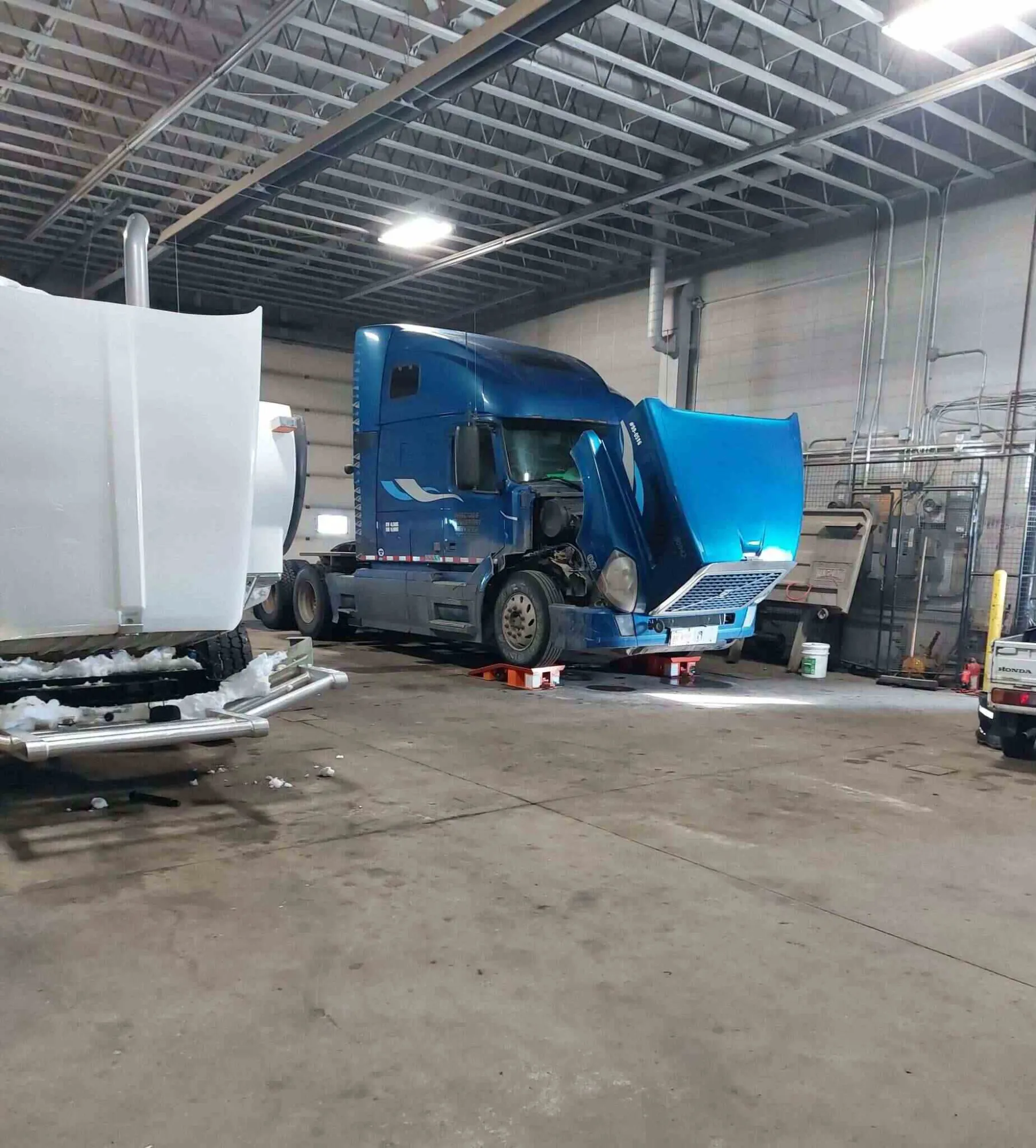

A heavy-duty truck rarely breaks down completely without giving some kind of warning first. It might be a strange engine noise, a dashboard light, a small fluid leak, a vibration, or a noticeable change in performance. For a busy truck driver, it can be tempting to ignore these signs and think, “I’ll get it checked after this load.”
That decision can become expensive.
For Canadian truck drivers, owner-operators, and fleet managers, truck warning signs should never be treated as something to deal with later. Long distances, heavy loads, changing weather, and demanding Alberta roads can place significant stress on commercial vehicles. A small mechanical issue that seems harmless today can become a major repair tomorrow.
Understanding what these early signs mean can help you make better maintenance decisions and avoid unnecessary downtime.
Why Do Trucks Give Warning Signs Before a Breakdown?
Most mechanical failures develop over time rather than happening completely out of nowhere. Components wear, fluids become contaminated, connections loosen, and parts eventually reach the end of their useful life.
The truck may respond by showing small changes in the way it operates.
An engine might start making a different sound. The vehicle may take longer to start in the morning. Fuel consumption may increase. A warning light may appear. You may notice that the temperature gauge is running higher than usual.
These changes are important because they give you an opportunity to investigate the problem.
Regular truck maintenance is not simply about changing oil and replacing filters. It is also about recognizing these changes and finding the cause before a failure occurs.
For a driver who spends long hours on Canadian highways, paying attention to the truck can be just as important as watching the road.
What Are the Most Common Early Warning Signs?
The first warning sign is not always dramatic. In fact, some of the most expensive truck repairs begin with symptoms that seem minor.
Unusual Engine Sounds
A healthy diesel engine has a familiar sound. When you drive the same truck regularly, you quickly learn what normal operation sounds like.
A new knocking, ticking, rattling, squealing, or grinding noise deserves attention. The cause could be something simple, such as a worn belt, or something more serious inside the engine.
Ignoring a new sound does not make the problem disappear. It can give the underlying issue more time to develop.
Dashboard Warning Lights
Modern commercial trucks rely heavily on electronic monitoring systems. Warning lights can alert drivers to issues involving the engine, emissions, electrical system, oil pressure, temperature, and other components.
Not every warning light means the truck needs to stop immediately, but every warning should be understood.
This is where professional engine diagnostics can be useful. A technician can use diagnostic equipment and inspection procedures to identify potential faults and determine whether the issue requires immediate attention.
Fluid Leaks
A small puddle underneath your truck may look insignificant, but it can tell you something is wrong.
Oil, coolant, transmission fluid, and other fluids perform important jobs. A leak can gradually reduce fluid levels and affect the system being protected.
If you notice a new leak, do not simply clean it up and move on. Finding where the fluid is coming from can prevent a much larger problem.
How Can a Small Engine Problem Become an Expensive Repair?
This is where ignoring warning signs becomes particularly risky.
Consider a cooling system with a small leak. At first, the truck may continue operating normally. The coolant level may drop slowly, and the driver may not notice anything unusual.
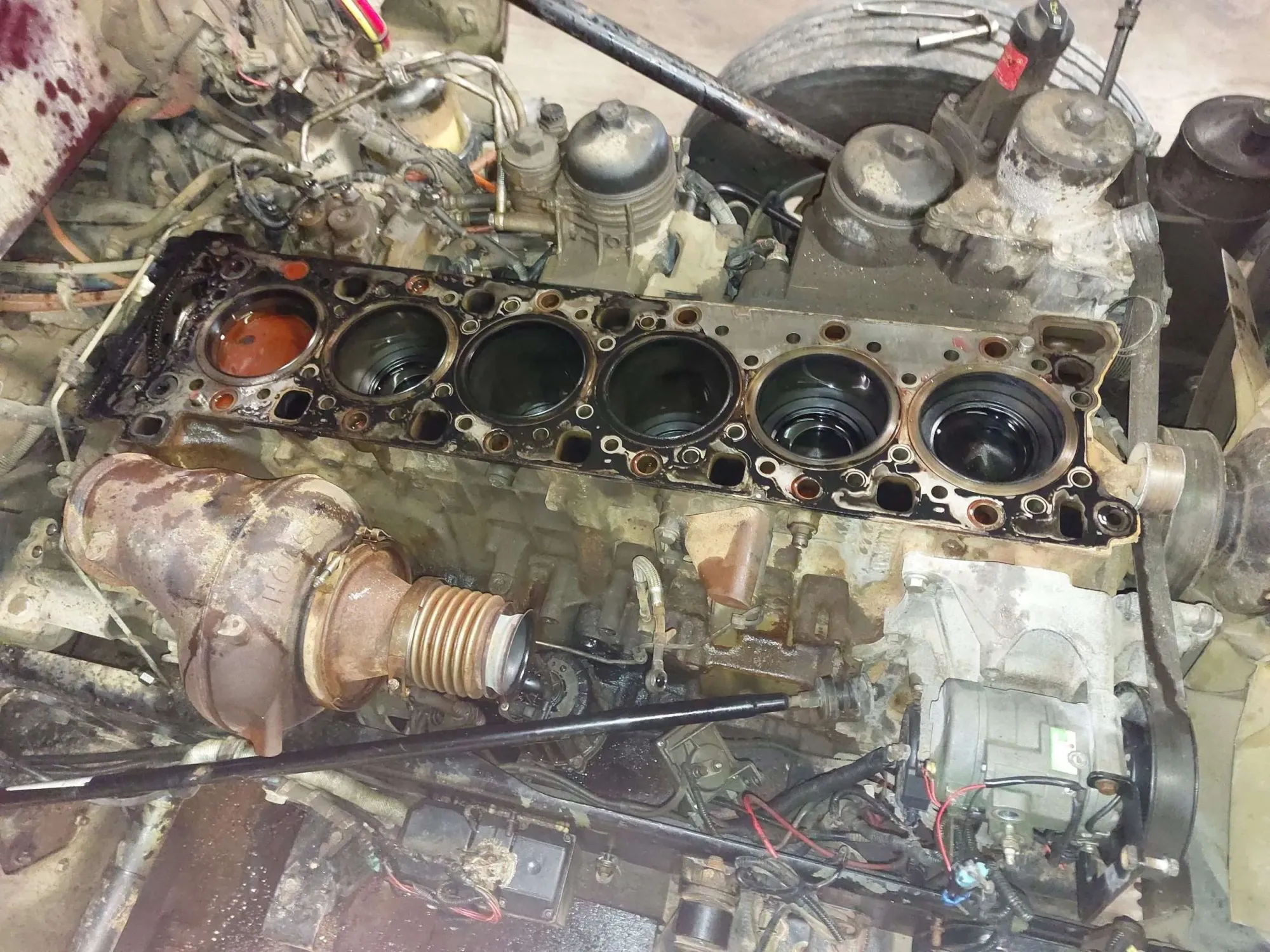
If the leak becomes worse, the engine can overheat. Continued operation while overheating can potentially cause serious damage to engine components.
The same pattern can happen with many other systems.
A worn belt can eventually fail. A small oil leak can become significant fluid loss. A developing electrical problem can turn into a starting failure. A minor brake concern can become a much more serious safety issue.
This is why preventive truck maintenance is valuable. It allows problems to be identified while they are still manageable.
And this is the part many drivers learn the hard way: the cost of fixing a problem in the shop is often much easier to handle than the cost of dealing with the same problem after a roadside failure.
What Happens If You Ignore an Engine Warning Light?
An engine warning light can have many possible causes, so the correct response depends on the specific warning and the truck's behaviour.
If the truck continues operating normally and the warning is not associated with serious symptoms, the vehicle may be able to reach a suitable service location for inspection. However, serious symptoms such as overheating, significant loss of power, unusual engine noise, low oil pressure, smoke, or severe performance changes should not be ignored.
Continuing to operate a truck with a serious mechanical problem can increase damage.
Professional diagnostics can help determine what is happening instead of relying on guesswork.
The goal is not to panic every time a warning light appears. The goal is to understand why it appeared.
Why Are Fluid Leaks More Serious Than They Look?
Fluids keep many truck systems operating correctly. Engine oil reduces friction between moving components, coolant controls engine temperature, and transmission and hydraulic fluids help their respective systems operate properly.
When a leak develops, the affected system may gradually lose its ability to perform correctly.
Engine Oil Leaks
Low engine oil can increase friction and wear inside the engine. A leak that starts slowly can become more serious over time.
Coolant Leaks
Coolant loss can affect temperature control and increase the risk of overheating, particularly when the truck is working hard or travelling long distances.
Transmission and Hydraulic Leaks
Fluid loss in other systems can affect shifting, operation, or component performance.
You do not need to identify every fluid yourself. The important thing is recognizing that a new leak should be inspected.
Which Brake Problems Should Never Be Ignored?
Braking problems deserve immediate attention because a heavy-duty truck needs reliable stopping performance, especially when carrying a significant load.
Changes in braking response, unusual noises, vibration, pulling to one side, or other noticeable problems can indicate that the braking system requires inspection.
Canadian commercial vehicles operate under specific safety and maintenance requirements, and operators are responsible for keeping vehicles in safe working condition.
A driver should never assume that a brake issue will fix itself during the next trip.
If braking performance has changed, have the truck inspected before continuing normal operation.
How Can Tire and Suspension Problems Affect Your Truck?
Tires and suspension components work together to provide stability, handling, and road contact. They also experience constant stress from heavy loads and uneven road surfaces.
Uneven tire wear can sometimes point toward alignment, suspension, inflation, or other mechanical issues. Vibrations can also be an early indication that something needs attention.
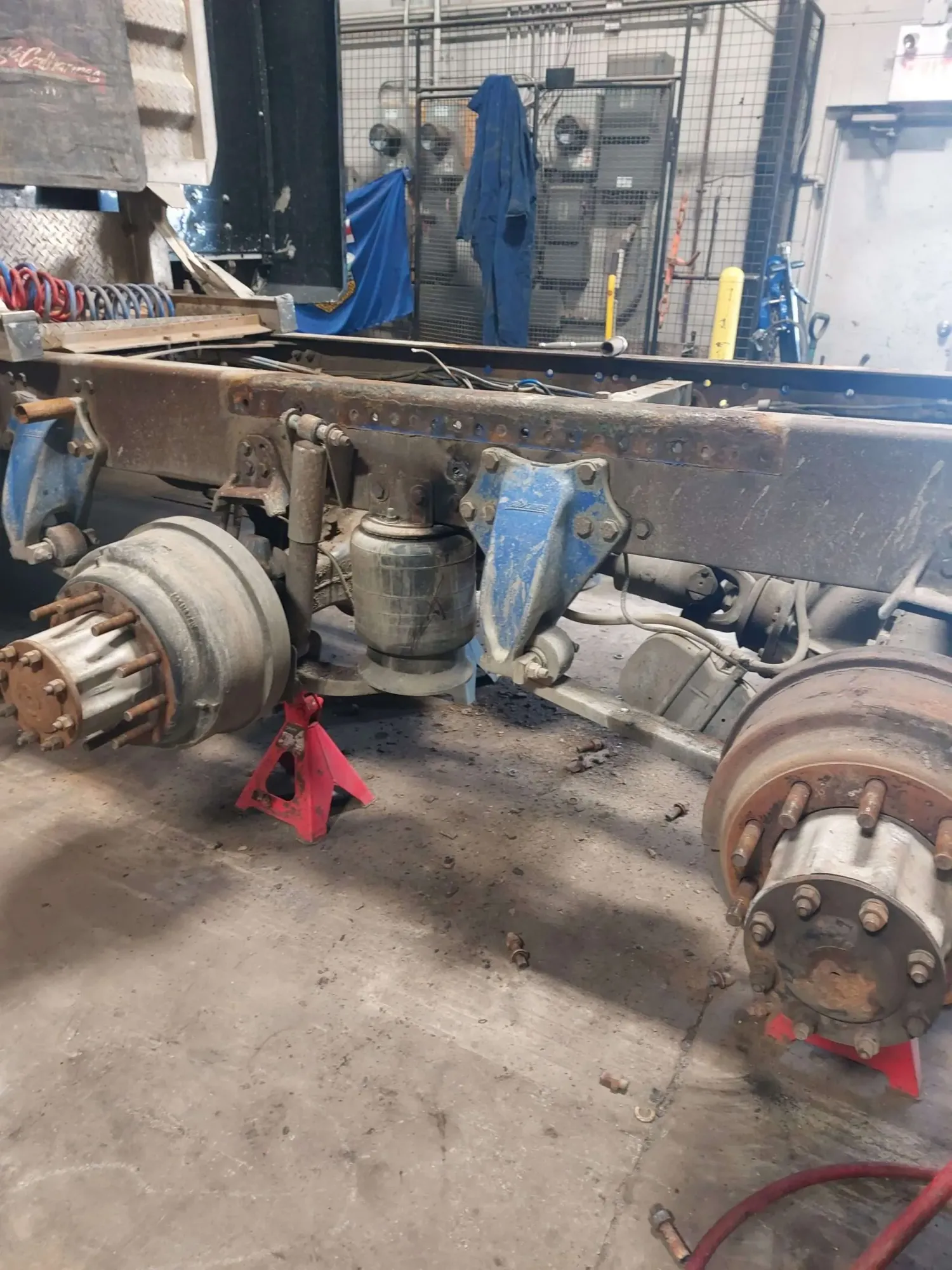
A truck travelling hundreds of kilometres across Alberta can place considerable additional stress on a component that is already worn.
Regular heavy-duty truck inspection helps identify problems before they become roadside emergencies.
When Should You Stop Driving and Get Professional Help?
Not every unusual noise requires an immediate roadside stop, but certain symptoms should never be taken lightly.
Severe overheating, major fluid loss, serious brake problems, significant steering issues, heavy smoke, very low oil pressure, or loud internal engine noises can indicate a serious problem.
If the truck is no longer safe to operate, continuing to drive simply because you are trying to finish a delivery can make the situation worse.
Sometimes the smartest business decision is also the simplest one: stop, assess the problem, and get professional help.
That may save both repair costs and hours of lost time.
How Does Regular Maintenance Prevent Bigger Problems?
Routine servicing gives technicians an opportunity to inspect the truck before components fail.
A good maintenance program looks beyond a single oil change. It considers the condition of the engine, cooling system, electrical components, brakes, tires, suspension, steering, transmission, and other important systems.
For fleets, organized maintenance can also make it easier to track service history and identify recurring issues.
For owner-operators, regular service can help keep a truck working reliably and reduce the chance of an unexpected breakdown interrupting a trip.
Think about it from the driver's seat for a moment. Would you rather spend an hour getting a developing problem checked at your regular service location or spend an entire afternoon waiting for roadside assistance?
That is exactly why early attention matters.
What Should Canadian Truck Drivers Do When Something Feels Different?
The first step is simple: do not ignore the change.
If the truck sounds different, feels different, smells different, or performs differently, make a note of what you noticed.
Pay attention to when the problem happens. Does it occur during a cold start? Under heavy load? While climbing a hill? During braking? At highway speed?
Those details can help a technician understand the problem more quickly.
Drivers do not need to diagnose every mechanical issue themselves. Their job is to recognize unusual behaviour and report it.
A professional technician can then inspect the vehicle and determine what needs to be repaired.
Where Can Edmonton Truck Owners Get Professional Repair Support?
For truck owners and operators in Edmonton, getting a developing problem inspected early can help prevent unnecessary downtime.
SRB Equipment provides heavy-duty truck repair and maintenance services in Edmonton, including engine repair, routine service, diagnostics, and mobile service support.
Whether a truck has developed an unusual noise, warning light, fluid leak, or performance problem, professional inspection can help identify the cause before it turns into a larger mechanical failure.
Final Thoughts on Ignoring Truck Warning Signs
Your truck usually gives you clues before it develops a major problem. The challenge is paying attention to those clues when you are busy, under pressure, or trying to complete another delivery.
A warning light, unusual noise, fluid leak, vibration, or change in performance may seem small today. But ignoring it can allow the underlying problem to become more complicated and expensive.
Regular inspections, preventive maintenance, and timely repairs can help keep commercial trucks working safely and efficiently across Canada.
The next time your truck tells you something is wrong, listen to it.
If you notice a warning sign or developing mechanical problem in your heavy-duty truck, contact SRB Equipment in Edmonton for professional inspection, maintenance, and repair support before a small issue becomes a major breakdown.

























Sign in to leave a comment.