What Happens When Your Only Compliance Person Quits


1. The Two Weeks' Notice That Nobody Planned For
A compliance manager resigns, gives two weeks' notice, and hands over a folder of spreadsheets and a verbal walkthrough on their last day. The company treats this as a normal transition, because on paper, the handover happened. What usually doesn't get captured in that walkthrough is the part that was never written down anywhere: which state's Shops & Establishment renewal is quietly overdue, which vendor hasn't sent their EPF challan in two months, which filing has a workaround nobody documented because the person doing it just knew.
2. What Actually Leaves the Building With Them
It's rarely the big, obvious tasks that get lost, the monthly EPF ECR deadline is on everyone's calendar. What leaves is the judgment layer: which filings tend to run into data issues and need extra lead time, which state inspector's office has specific formatting preferences, which vendor consistently sends incomplete documentation and needs a second follow-up by default. None of that lives in a spreadsheet. It lives in one person's experience, and a two-week handover rarely has time to transfer it.
3. The First Thing That Gets Missed, and When
In practice, it's usually not the very next filing, the departing employee typically closes out whatever was already in progress. It's the thing scheduled for 6 to 10 weeks out that nobody else knew was coming: a licence renewal, a half-yearly CLRA return, an annual return with a due date nobody new to the role would think to check proactively. By the time it's noticed, it's often already late.
4. Why a Handover Document Usually Isn't Enough
A handover document captures what the departing person remembers to write down in the time they have, which is rarely everything, because much of the knowledge is procedural rather than factual, how to handle an edge case, not just what the due date is. A written calendar of dates is necessary but not sufficient; it tells the successor when something is due, not the full context of what "done correctly" actually requires for that specific filing.
5. The Real Fix Isn't Finding a Replacement Faster
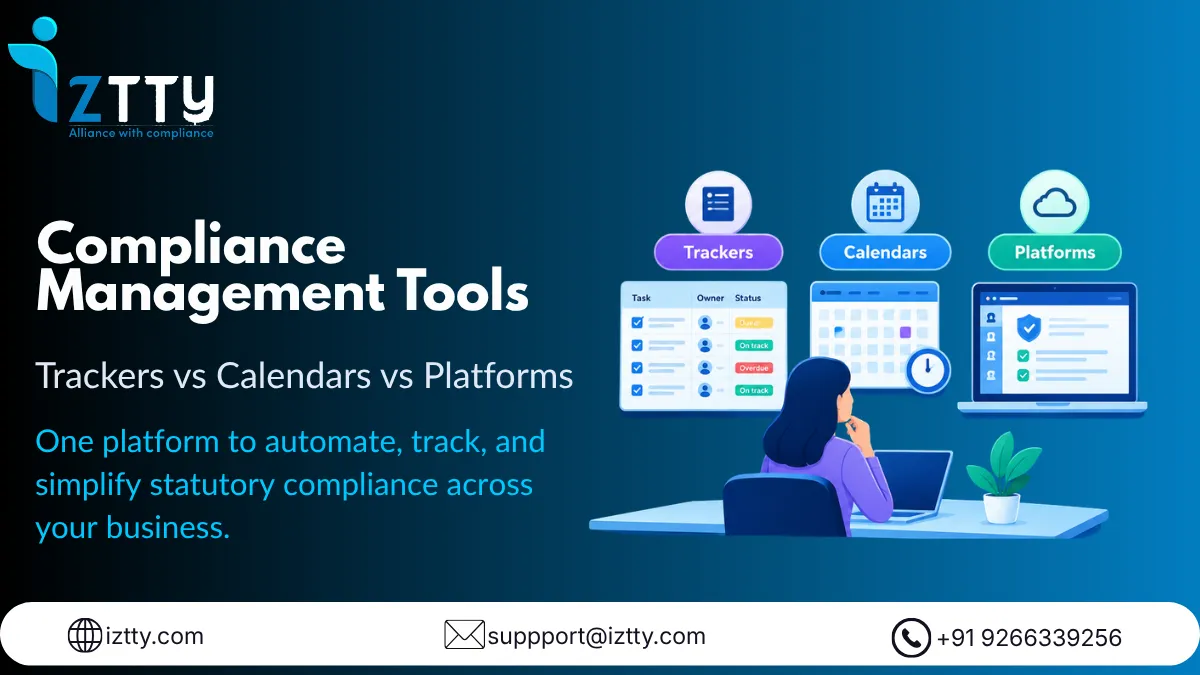
The actual fix is removing the dependency on institutional memory before it becomes a problem, not scrambling to document it during an exit interview. That means a system, not just a person, holding the compliance calendar, the state-specific rule nuances, and the filing history, so that a new compliance hire inherits a working process rather than reconstructing one from memory and guesswork. We walk through how to build that structure with a proper RACI matrix and a repeatable monthly rhythm in Compliance Management: Roles, RACI and a Monthly Operating Rhythm.







Sign in to leave a comment.