
Maintaining consistent manufacturing quality is a challenge for businesses across different industries. Even when companies use modern equipment and follow established production procedures, they may still experience defects, material wastage, and unexpected delays. These problems often arise from overlooked details, such as inconsistent raw materials, incorrect additive selection, poor storage practices, or inadequate quality monitoring. Identifying these underlying causes helps manufacturers improve production efficiency and reduce avoidable expenses.
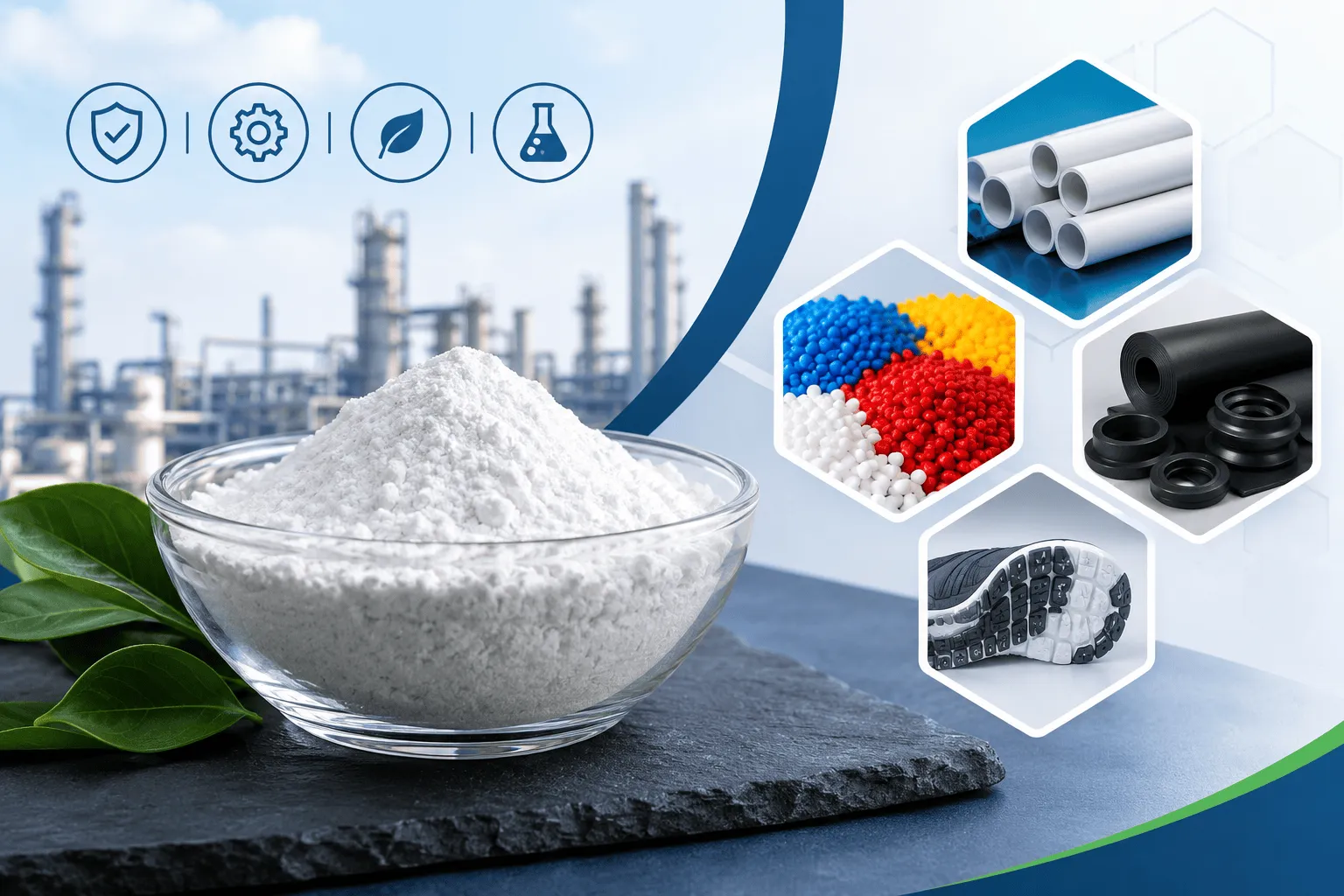
Choosing from the Top zinc stearate Suppliers is another important consideration for businesses that rely on industrial additives. Zinc stearate is used in plastics, rubber, coatings, and other applications where it may function as a lubricant, release agent, or processing aid. Selecting a suitable grade and maintaining consistent material specifications can help manufacturers achieve more predictable processing results.
What Causes Manufacturing Quality to Decline?
Quality problems frequently begin with small variations that go unnoticed during routine operations. Differences in raw material properties, inconsistent measurements, and changes in processing conditions can gradually affect the final product.
For example, a batch of material that behaves differently from previous batches may require adjustments to production settings. Without proper monitoring, these adjustments can create further inconsistencies.
Manufacturers should establish clear quality standards for incoming materials and finished products. Regular inspections, accurate documentation, and batch-wise testing help identify variations before they affect large quantities of production.
Is Your Raw Material Selection Creating Unnecessary Waste?
Selecting materials without evaluating their suitability for the intended application can increase production costs. An additive may meet general specifications but still perform differently depending on the formulation and processing method.
Zinc stearate, for instance, must be evaluated according to the specific requirements of the product being manufactured. Its performance can depend on dosage, compatibility with other ingredients, and operating conditions.
To avoid unnecessary waste, businesses should review technical specifications, request relevant product documentation, and conduct controlled trials before introducing a new grade. This process helps determine whether the material meets the required performance standards.
Why Should Businesses Look Beyond Supplier Pricing?
Low purchase prices can be attractive, but the overall value of a material depends on more than its initial cost. Poor consistency, delayed deliveries, and limited technical support can increase operating expenses over time.
Manufacturers should evaluate suppliers based on product quality, delivery reliability, documentation, and communication. Testing samples and monitoring performance across repeat orders can provide a clearer picture of a supplier's suitability.
A dependable supplier relationship also helps businesses plan production schedules more effectively and respond to material-related challenges.
Can Storage Practices Affect Product Quality?
Incorrect storage and handling can compromise raw material quality even when the original product meets specifications. Moisture, contamination, damaged packaging, and unsuitable environmental conditions may create problems during subsequent processing.
Businesses can minimise these risks by following recommended storage guidelines, maintaining clean storage areas, sealing packaging properly, and tracking material batches. Regular stock inspections also help identify damaged or unsuitable materials before they enter production.
How Can Process Monitoring Prevent Repeated Defects?
When manufacturing defects occur repeatedly, businesses need to identify the actual cause rather than making random adjustments. Problems may originate from material variations, equipment settings, formulation changes, or inconsistent operating procedures.
Maintaining production records makes these factors easier to investigate. Manufacturers should track material batches, additive dosage, processing temperatures, production times, and inspection results.
Analysing this information helps teams recognise patterns, identify root causes, and introduce corrective measures based on evidence.
Conclusion
Manufacturing quality depends on consistent materials, suitable additives, proper storage, reliable suppliers, and effective process monitoring. Overlooking any of these areas can increase waste and create unnecessary production challenges.
By evaluating suppliers carefully, maintaining accurate quality records, and testing materials before large-scale use, businesses can improve manufacturing consistency and control operating costs. A systematic approach to quality management helps manufacturers build dependable processes and deliver products that meet customer expectations.


















Sign in to leave a comment.