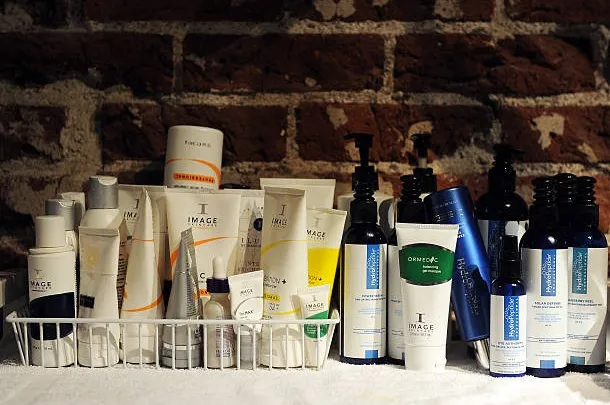

Running an independent esthetics business involves more than performing treatments and managing appointments. It also requires attention to detail and careful product planning to maintain consistent service quality and keep profit margins healthier. Professional spa products, disposables, sanitation supplies, linens, and equipment-related items all contribute to the client experience, making thoughtful purchasing an important part of day-to-day operations.
When these costs are tracked by category, estheticians can make more confident buying decisions, maintain consistent treatment standards, and price services more accurately. Understanding where monthly spending goes can also highlight opportunities to improve inventory control and build a more efficient practice over time.
Key Takeaways
- Monthly supply costs depend on treatment mix, booking volume, product use, and replacement needs.
- Disposables, professional formulas, sanitation, linens, and equipment supplies should be tracked separately.
- Industry benchmarks are most useful when compared with actual cost-per-treatment and inventory records.
5 Spa Products and Supply Costs Estheticians Pay Each Month
Each beauty product category affects the monthly budget differently. According to SocCash, esthetician supplies, linens, and retail inventory typically represent about 12% to 18% of sales. Looking at the main expense categories separately makes it easier to see which costs are tied to routine treatments and which require more flexible planning.
Disposable Supplies
Every booked service may require an additional set of single-use materials, making this expense closely tied to treatment activity. For an independent esthetician seeing roughly 20 to 30 clients per month, basic consumables may cost around $85 to $175 per month, depending on the services performed and the amount used per appointment.
Typical budget shares may include:
- Gloves, cotton rounds, and gauze: 25% to 35%
- Applicators and wooden spatulas: 10% to 15%
- Waxing strips and disposable headbands: 15% to 25%
- Single-use extraction supplies: 10% to 15%
Professionals listed in a spa directory may offer different treatment mixes, which can significantly change how these percentages are distributed. Monitoring usage by service helps estheticians restock more accurately and avoid carrying excess supplies that do not match current demand.
Professional Treatment Products
Professional-grade formulas can vary substantially in cost depending on concentration, formulation, bottle size, brand, and supplier. Estheticians may also maintain several active spa products to accommodate different skin types, treatment goals, and protocols.
| Product Category | Typical Cost Impact |
| Chemical exfoliants and peels | Moderate to High |
| Serums and treatment boosters | Moderate to High |
| Cleansers and toners | Low to Moderate |
| Masks and finishing products | Moderate |
According to the American Spa, professional back-bar treatment products typically account for about 5% to 10% of service revenue. At $5,000 in monthly sales, that amounts to approximately $600 to $900 across the broader supply category.
Tracking formula use per treatment helps identify which services consume the most inventory and whether higher-cost treatments are priced to cover their actual product use.
Sanitation Supplies
Maintaining a hygienic treatment space creates an operating expense separate from products used during the service itself. This category may include surface disinfectants, hand hygiene products, cleaning wipes, and other room-reset supplies used between appointments.
For a lower-volume solo practice, around $20 to $40 per month may cover basic sanitation needs, although treatment frequency and room turnover can increase usage.
The CDC’s disinfection guidance emphasizes following product instructions, including required contact times. Keeping these expenses separate from treatment consumables makes it easier to see how much of the monthly budget is specifically supporting hygiene and treatment-room turnover.
Linen and Laundry Costs
Reusable textiles create expenses throughout their working life rather than only when they are purchased. Towels, sheets, wraps, blankets, and reusable headbands must be washed, dried, properly stored, and eventually replaced as their condition and absorbency decline.
For a solo treatment room, roughly $75 to $200 per month may cover routine linen care and replacement, with actual spending depending on whether laundry is handled in-house or outsourced. Unlike spa products, which are consumed during treatments, linens create recurring costs through repeated cleaning and eventual replacement.
Facial-focused practices may generate frequent towel turnover, while body services can increase sheet and wrap loads. Tracking laundry by treatment day provides a clearer cost picture than recording new linen purchases alone.
Equipment-Specific Supplies
Devices introduce costs that follow maintenance and replacement schedules rather than appointment-by-appointment use. Depending on the equipment, an esthetician may need compatible filters, bulbs, electrodes, tips, cartridges, tubing, seals, or other manufacturer-specified components. Professionals offering lash extension services may also use specialty lighting, magnification tools, or other equipment that requires periodic upkeep or replacement.
For a basic treatment room, setting aside roughly $20 to $75 per month can help cover these irregular purchases without treating them as predictable monthly consumables.
The Associated Skin Care Professionals recommends considering treatment need, equipment suitability, and applicable scope-of-practice requirements when selecting professional equipment. A reserve becomes especially useful when several devices or specialty tools have different replacement cycles.
Conclusion
Independent estheticians rarely have identical monthly supply costs because treatment menus, booking patterns, product choices, and equipment needs vary from one practice to another. Separating spa products, disposable materials, sanitation, linen care, and equipment-related spending creates a more accurate picture of what it actually costs to operate.
Industry benchmarks can provide useful reference points, but they work best alongside real business records. Comparing purchases with completed treatments, product usage, and replacement schedules can reveal where costs are rising, where inventory can be tightened, and whether current pricing continues to support healthy service margins.
FAQs
Should independent estheticians buy supplies in bulk?
Bulk purchasing can lower unit costs for frequently used supplies, but quantities should be based on storage space, turnover rates, and expiration dates.
How should estheticians account for wasted treatment products?
Track expired, spilled, contaminated, or over-dispensed product separately so cost-per-treatment calculations reflect inventory that did not generate revenue.
Can an online makeup artist finder help with supply planning?
Yes. A makeup artist finder can reveal local demand for services and help estheticians anticipate which products and supplies may be needed.
























Sign in to leave a comment.