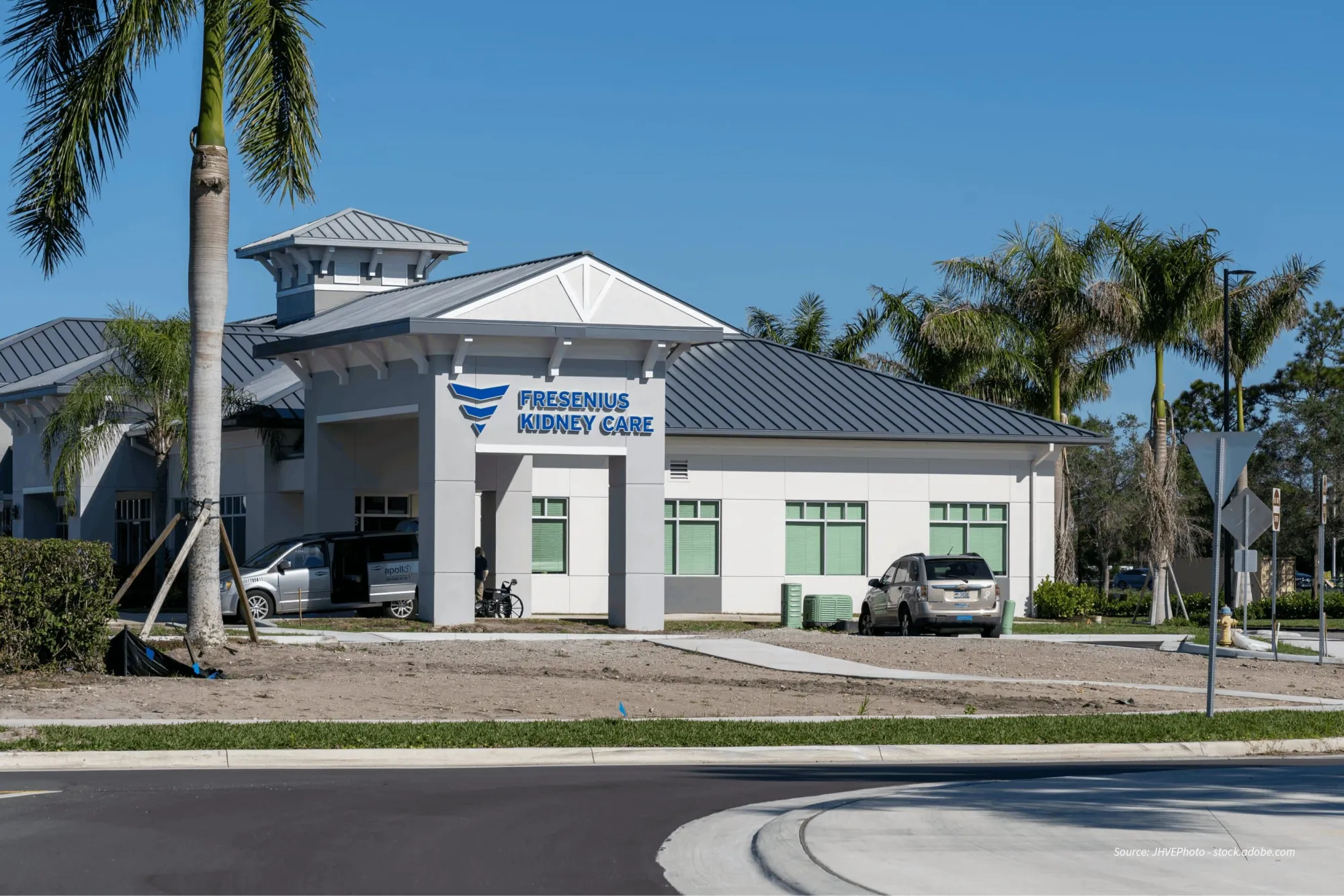

Healthcare related commercial properties continue to attract significant interest from investors seeking stable and recession resistant assets. Among the many healthcare investment categories available today, fresenius medical care real estate is frequently discussed because medical properties often serve essential community needs and benefit from consistent patient demand. As healthcare services expand to meet growing demographic requirements, investors continue to examine how specialized medical real estate can contribute to long term portfolio performance and income stability.
Understanding the Importance of Healthcare Real Estate
Healthcare real estate plays a vital role in supporting medical services across communities of all sizes. These properties are specifically designed to accommodate patient care, specialized treatment programs, and healthcare operations that require unique facility characteristics. Their essential function often creates long term demand within the commercial real estate market.
Investors frequently view healthcare properties as attractive opportunities because they support services that remain necessary regardless of broader economic conditions. Medical facilities often benefit from ongoing utilization and operational importance, making them a distinctive asset class within diversified commercial real estate portfolios focused on long term growth.
Essential Healthcare Services Drive Demand
Medical properties support services that patients require on a consistent basis. Healthcare facilities are often integrated into treatment plans that involve regular visits, ongoing monitoring, and specialized care. This recurring demand contributes to the long term relevance of healthcare real estate investments.
Commercial investors often appreciate asset classes connected to essential services because they may demonstrate greater resilience during periods of economic uncertainty. The importance of healthcare within communities helps support the operational stability of medical facilities while reinforcing their value as investment properties.
Community Presence Strengthens Property Value
Healthcare facilities are often strategically located within established communities where patient accessibility is a priority. Proximity to residential neighborhoods, transportation routes, and complementary medical services can enhance both operational effectiveness and property desirability.
Investors recognize that strong community integration may contribute to long term property performance. Facilities that remain accessible and relevant to local populations often maintain steady demand. This relationship between healthcare services and community needs helps support the attractiveness of medical real estate investments.
Why Healthcare Properties Appeal to Investors
Healthcare real estate offers several characteristics that distinguish it from other commercial property categories. Investors often consider these assets because of their connection to essential services, specialized facility requirements, and potential for stable long term performance.
Many investors incorporate healthcare related assets into diversified portfolios as a way to balance exposure across multiple commercial sectors. The unique qualities of medical properties can complement retail, industrial, office, and other investment categories while supporting broader portfolio objectives.
Stability Through Specialized Use
Medical facilities are often designed to accommodate specific operational requirements that may include treatment areas, specialized equipment, and patient support spaces. These unique characteristics can create long term value and contribute to ongoing property utilization.
Investors frequently evaluate specialized real estate because purpose built facilities may maintain strong relevance within their intended markets. Properties that support essential healthcare functions often remain important components of local service networks, helping to reinforce their investment appeal over time.
Long Term Market Relevance
Healthcare demand is influenced by demographic trends that often extend over many years. Population growth, aging demographics, and increased access to medical services can contribute to the continued need for healthcare facilities. These factors support the long term relevance of medical real estate.
Commercial investors often seek opportunities connected to sectors with sustained demand drivers. Healthcare properties benefit from trends that are expected to remain important for decades. This long term outlook contributes to the popularity of medical real estate within growth oriented investment strategies.
Key Market Factors Affecting Healthcare Real Estate
The performance of healthcare properties is influenced by several market factors that investors should carefully evaluate. Demographic changes, economic conditions, healthcare accessibility, and regional development all play important roles in shaping investment opportunities.
Understanding these variables allows investors to make informed decisions and identify assets that align with long term objectives. Thorough market analysis can provide valuable insight into both current performance and future growth potential.
Population Growth Supports Facility Demand
Expanding populations often increase demand for healthcare services and related facilities. As communities grow, the need for accessible medical treatment and specialized care typically rises. This trend can create favorable conditions for healthcare real estate investments.
Investors frequently analyze demographic data when assessing medical property opportunities. Areas experiencing sustained population growth may offer stronger prospects for long term facility utilization. Population trends remain an important consideration when evaluating healthcare related commercial assets.
Aging Demographics Influence Healthcare Needs
Many regions are experiencing growth in older population segments, leading to increased demand for medical services. As healthcare requirements evolve, specialized treatment facilities often play a greater role in supporting patient care and long term wellness.
Commercial investors closely monitor demographic shifts because they can influence property demand for extended periods. Healthcare facilities that address ongoing treatment needs may benefit from these trends, enhancing their potential value within diversified real estate portfolios.
Evaluating Healthcare Property Investment Opportunities
Successful healthcare real estate investing requires detailed analysis of both property specific characteristics and broader market conditions. Investors often consider multiple factors before acquiring medical facilities to ensure alignment with their financial goals and risk management strategies.
Careful due diligence can help identify strengths, opportunities, and potential challenges associated with healthcare properties. Understanding investment fundamentals is essential for making informed decisions within this specialized commercial real estate sector.
Location and Accessibility Matter
Accessibility is one of the most important factors affecting healthcare facility performance. Patients often require convenient access to treatment services, making location quality a key consideration for both operators and investors. Properties positioned near major transportation routes may benefit from improved patient access.
Investors frequently evaluate accessibility alongside demographic trends and surrounding development activity. Well located facilities often maintain stronger market relevance and long term demand. These characteristics can contribute to investment stability and future growth potential.
Facility Design and Functionality
Healthcare properties are often designed to support specific treatment services and operational requirements. Functional layouts, patient accessibility features, and specialized infrastructure can significantly influence property value and usability.
Commercial investors recognize that facility design plays a major role in long term performance. Properties capable of supporting evolving healthcare needs may maintain competitive advantages within their markets. Functional design characteristics often contribute to the durability and attractiveness of healthcare real estate investments.
Future Trends in Healthcare Real Estate
The healthcare sector continues to evolve in response to technological advancements, demographic changes, and shifting patient expectations. These developments are influencing how medical facilities operate and how investors evaluate healthcare related properties.
Understanding future trends can help investors identify opportunities and position portfolios for long term success. Healthcare real estate that remains adaptable and responsive to changing industry requirements may offer attractive investment potential in the years ahead.
Technology Continues to Influence Facilities
Advancements in healthcare technology are changing the way medical services are delivered. Modern facilities increasingly incorporate digital systems, advanced treatment equipment, and enhanced patient management solutions that improve operational efficiency.
Investors often consider how technological developments may affect property requirements over time. Facilities capable of accommodating future innovations may remain competitive and valuable within evolving healthcare markets. Adaptability continues to be an important factor in long term investment planning.
Growing Demand Supports Long Term Potential
The need for healthcare services is expected to remain strong due to demographic and societal trends. Population expansion, aging communities, and increased healthcare awareness continue to support demand for specialized medical facilities and treatment centers.
Commercial investors frequently view healthcare real estate as a sector with enduring growth potential. Properties connected to essential healthcare services may benefit from these long term demand drivers, making them valuable additions to diversified investment portfolios.
Conclusion
Healthcare real estate remains an important segment of the commercial property market because it supports essential services while benefiting from long term demographic trends. Investors evaluating fresenius medical care real estate often focus on factors such as accessibility, population growth, facility functionality, and future healthcare demand. By carefully analyzing these elements, investors can better understand the opportunities available within specialized medical real estate. For additional commercial real estate insights and investment analysis, NNN Trends by Equity CRE provides valuable information for investors and industry professionals.

























Sign in to leave a comment.