

Choosing a reusable water bottle is no longer only about size or appearance. The material of the bottle affects how it responds to temperature changes, how easy it is to clean, and whether it retains smells or flavours from beverages. Among the different glass options available, borosilicate glass has become popular for reusable drinkware.
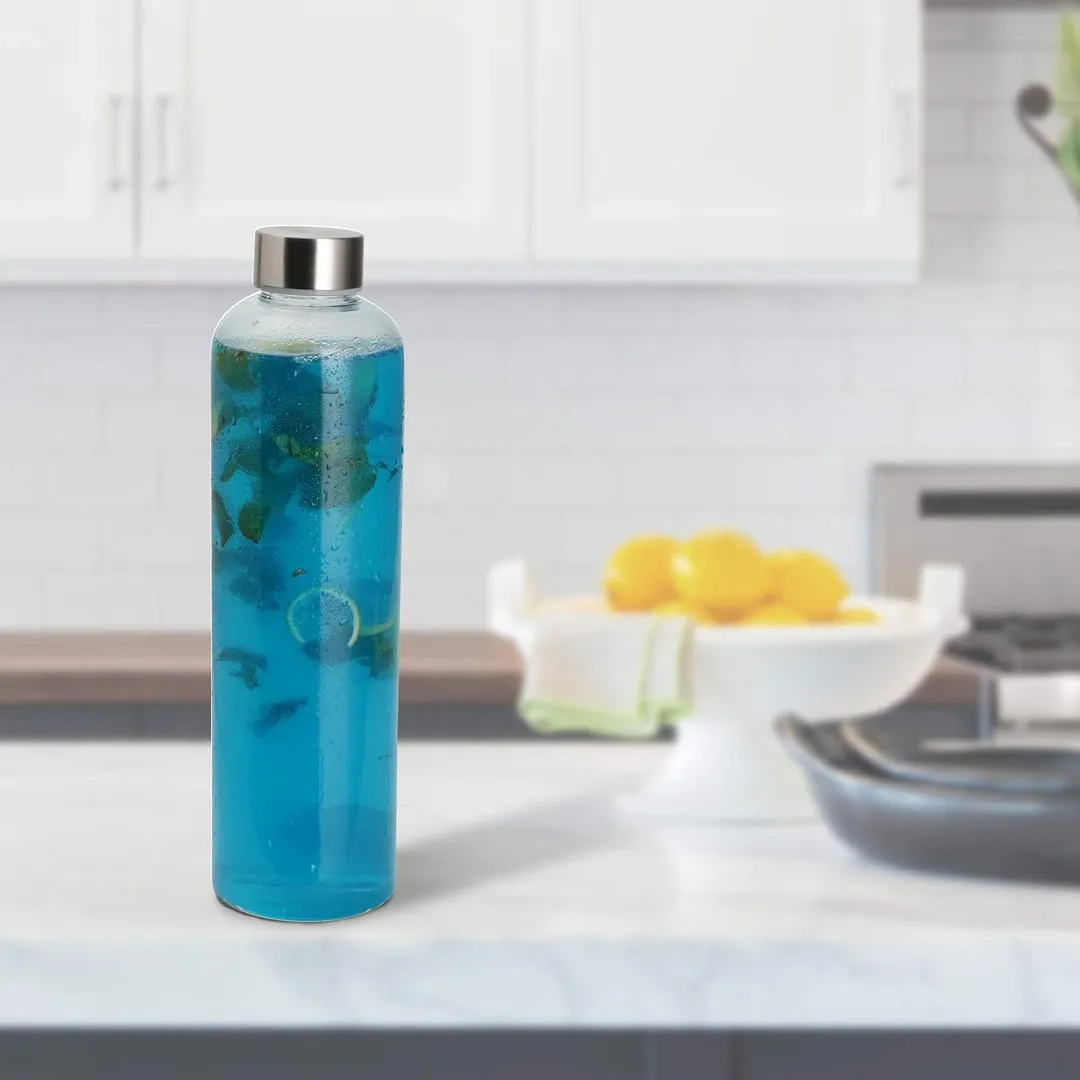
A borosilicate bottle is made from a specialised type of glass containing boron compounds along with silica. This composition gives it characteristics that distinguish it from conventional soda-lime glass, particularly when it comes to handling changes in temperature.
What Is Borosilicate Glass?
Borosilicate glass is engineered to have a relatively low coefficient of thermal expansion. In simple terms, it expands and contracts less when its temperature changes compared with ordinary soda-lime glass.
This characteristic is particularly useful for drinkware. When glass experiences a sudden temperature change, different areas can expand or contract at different rates, creating internal stress. Lower thermal expansion helps reduce this stress.
That is why a borosilicate bottle can be a practical option for people looking for reusable glass drinkware that may encounter varying beverage temperatures. However, users should still follow the manufacturer's stated temperature limits and usage instructions.
How Is It Different From Regular Glass?
The main difference lies in the glass composition and its resulting thermal properties. Ordinary soda-lime glass is widely used in everyday household products, but it generally experiences greater expansion and contraction as temperatures change.
Borosilicate glass is specifically valued for improved resistance to thermal shock. This does not mean it is unbreakable. Like other glass materials, it can still crack or break due to impacts, drops, scratches, or temperature conditions outside its intended limits.
The advantage of a borosilicate bottle is therefore better understood as improved thermal performance rather than complete resistance to damage.
Better Suited to Temperature Changes
One of the biggest reasons people choose borosilicate glass is its ability to cope with temperature variations better than conventional glass.
For example, someone may want to use the same bottle for room-temperature water and warmer or cooler beverages at different times. Borosilicate glass can be better suited to these changing conditions when used according to the product's specifications.
Even so, extreme temperature shocks should be avoided. Taking a very cold bottle and immediately filling it with boiling liquid, for instance, may still place unnecessary stress on the material. Safe handling remains important regardless of the type of glass.
Does Not Easily Retain Flavours or Odours
Reusable bottles may hold more than plain water. People often use them for lemon water, fruit-infused drinks, herbal beverages, or other suitable liquids.
Glass has a smooth, non-porous surface, so it does not readily absorb flavours or smells when properly cleaned. This can be particularly useful if you regularly switch between different drinks.
A borosilicate bottle can therefore provide a relatively neutral drinking experience without previous beverages noticeably influencing the next one, provided the bottle and lid are cleaned thoroughly.
Remember that smells can sometimes remain in silicone seals or lid components rather than in the glass itself, so these areas also require regular cleaning.
Makes It Easy to See What You Are Drinking
Transparency is another straightforward but useful advantage of glass drinkware. You can see the liquid inside, making it easy to monitor cleanliness and notice whether the bottle needs refilling or washing.
This visibility can be especially convenient when preparing infused water. You can see fruit slices, herbs, or other ingredients and check whether any residue remains after use.
With a transparent borosilicate bottle, it is also easier to inspect the interior during cleaning instead of relying only on smell or appearance from the opening.
Easy to Clean for Regular Use
Reusable bottles need consistent cleaning, particularly when they are used for beverages other than water.
The smooth glass interior can generally be cleaned using water, an appropriate dishwashing liquid, and a suitable bottle brush when required. The exact method should follow the manufacturer's care instructions.
Pay particular attention to the mouth, cap, threads, silicone rings, and seals. These components may collect moisture or beverage residue over time.
After washing a borosilicate bottle, allow it to dry thoroughly before closing the lid for storage. Keeping a damp bottle sealed can contribute to unwanted odours.
A Reusable Alternative for Everyday Hydration
Reusable drinkware can reduce dependence on disposable beverage bottles when it is used consistently over time. Glass also provides a material option for people who prefer drinking from a non-porous surface.
A reusable bottle can be refilled at home, work, or other places where safe drinking water is available. Choosing an appropriate capacity can make it easier to integrate into an existing hydration routine.
Proper handling is particularly important with glass. A protective sleeve, when compatible with the bottle, may improve grip and provide some protection against minor knocks, although it cannot make glass completely break-proof.
What Should You Check Before Choosing One?
Start with capacity. A smaller bottle may be convenient for short journeys, while a larger option can reduce how frequently you need to refill it.
Check the lid design and whether it suits how you intend to carry the bottle. A secure closure is especially important when placing it inside a work or travel bag.
You should also review the manufacturer's information about temperature limits, cleaning instructions, and intended beverage use. A borosilicate bottle should never automatically be assumed suitable for every hot or cold application simply because of its material.
Why Can Borosilicate Glass Be a Better Choice?
The biggest advantage comes from the material itself. Compared with conventional glass, borosilicate glass has lower thermal expansion, giving it improved resistance to stresses caused by temperature changes. It also retains the familiar benefits of glass, including a non-porous surface, transparency, and easy inspection during cleaning.
For people who want reusable drinkware for regular hydration and value these characteristics, a borosilicate bottle can be a practical option. It still requires careful handling, proper cleaning, and adherence to temperature guidelines, but its combination of thermal performance and everyday usability explains why borosilicate glass is widely preferred for modern drinkware.

























Sign in to leave a comment.