

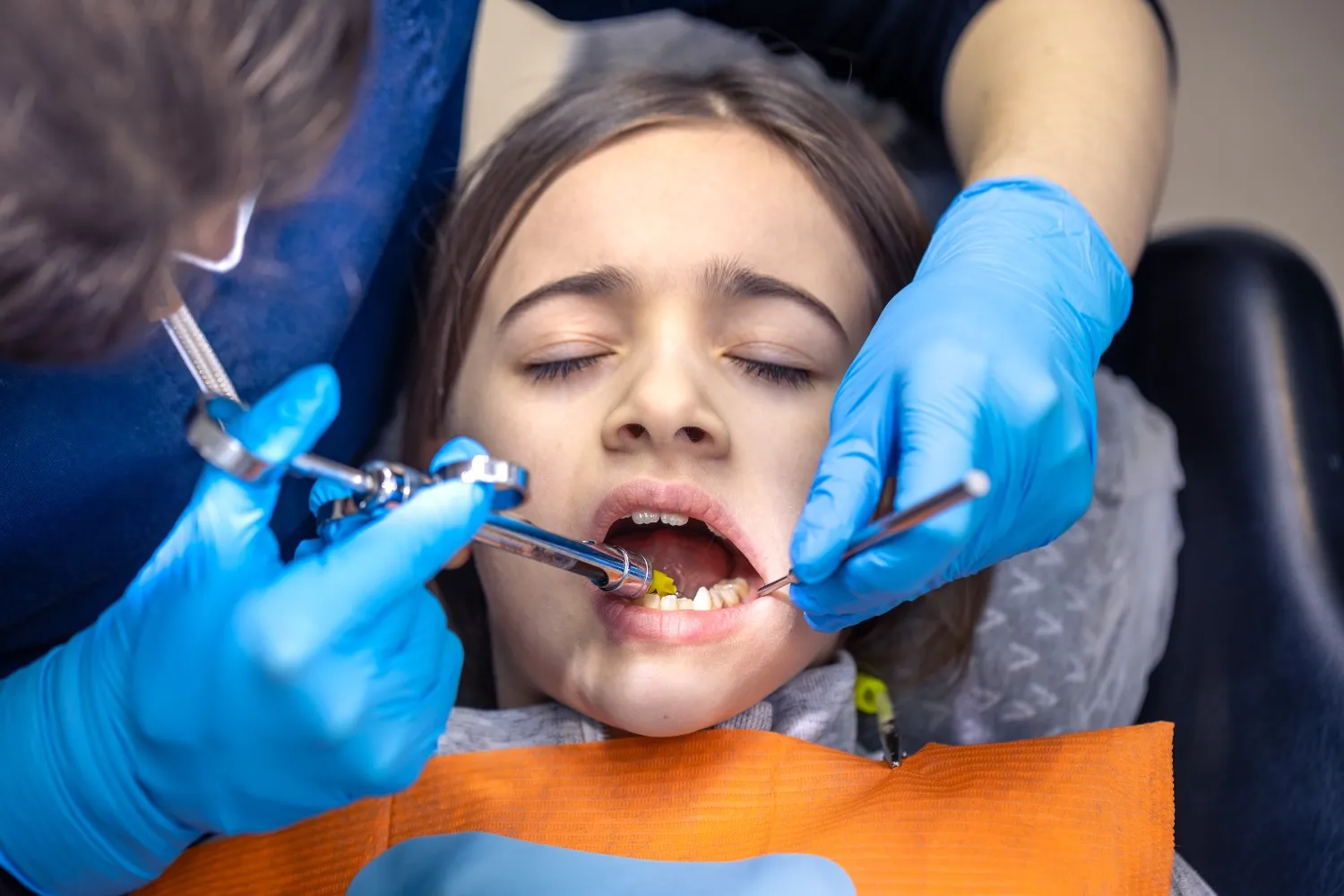
Some children feel genuinely frightened at the thought of sitting in a dental chair. The sounds, the bright lights, and the unfamiliar tools can trigger real anxiety, even before any treatment begins. A desensitization dental visit child approach is designed to help young patients gradually become comfortable in a dental setting so that future appointments feel safe rather than scary.
This type of visit is not about rushing through a cleaning or filling. Instead, it focuses entirely on building trust and familiarity. For parents of anxious children, understanding how desensitization works can make all the difference in establishing a positive, lifelong relationship with oral health.
How a Desensitization Dental Visit Works for a Child
A desensitization dental visit follows the principle of gradual exposure. Rather than jumping straight into treatment, the child is slowly introduced to the dental environment in small, manageable steps. Each visit builds on the last, and nothing happens until the child signals they are ready.
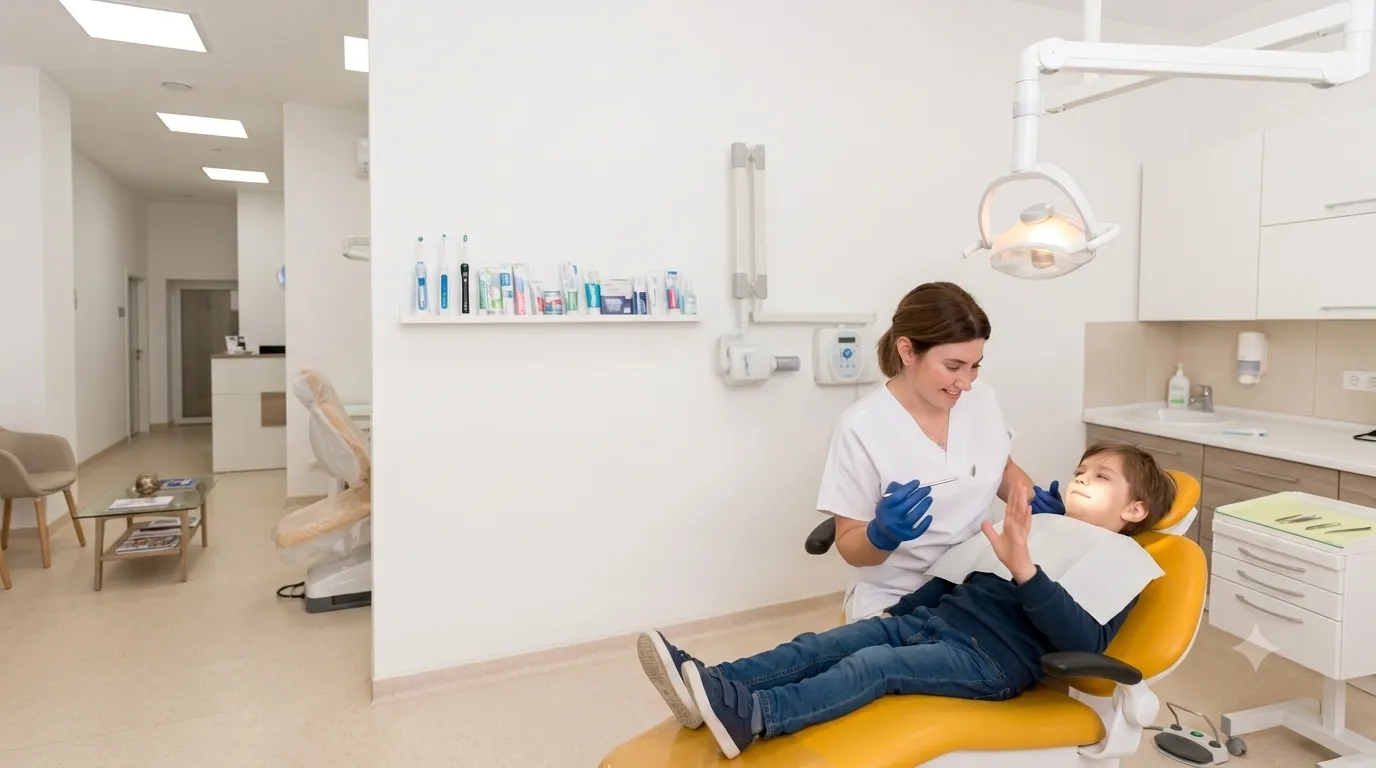
A pediatric dentist trained in behavioral techniques, such as dr sheryl george dds, typically starts with simple introductions. The child might tour the office, sit in the chair without any instruments nearby, or just watch another child's visit. Over time, they become familiar with the sights, sounds, and sensations of a dental appointment.
The Tell-Show-Do Technique and Other Behavioral Strategies
One of the most effective tools in pediatric dental fear management is the tell-show-do method. The dentist explains what will happen in age-appropriate language, demonstrates the tool or procedure on a model or the child's hand, and then performs the step only when the child is comfortable.
Other common behavioral techniques include:
Positive Reinforcement
Praising a child for sitting still, opening their mouth, or simply staying calm helps them associate the dental office with encouragement rather than stress. Small rewards like stickers or high-fives go a long way.
Distraction Methods
Many pediatric dental care offices use ceiling-mounted TVs, music, or storytelling to redirect a child's attention away from anxiety-producing stimuli. These distractions can significantly reduce dental visit stress for kids.
Modeling
Letting the child watch a sibling or peer have a successful dental visit can normalize the experience. Seeing someone else stay calm often builds confidence.
Which Children Benefit Most from Dental Desensitization?
Desensitization visits are helpful for a wide range of young patients, but certain children benefit especially from this approach.
Kids with dental phobia, sensory processing differences, autism spectrum disorder, or a history of negative medical experiences often find standard appointments overwhelming. A structured desensitization protocol gives them the time and space they need to feel safe.
Very young children visiting the dentist for the first time can also benefit. Starting with a low-pressure familiarization visit sets a positive tone before any clinical work is needed.
How Parents Can Prepare Kids for a Desensitization Visit
Preparation starts at home. Parents play a critical role in reducing dental anxiety in kids before they even walk through the office door.
Keep conversations about the dentist positive and matter-of-fact. Avoid using words like "pain," "shot," or "drill," which can plant unnecessary fears. Reading children's books about dental visits or role-playing with a toothbrush at home can also help.
On the day of the visit, arrive early so your child has time to adjust. Bring a comfort item like a favorite stuffed animal. Most importantly, stay calm yourself, because children pick up on a parent's anxiety quickly.
How Many Desensitization Visits Does a Child Typically Need?
There is no fixed number. Some children feel comfortable after one or two visits, while others may need several sessions spread over weeks or months. The pace depends entirely on the child's comfort level and the severity of their anxiety.
A skilled pediatric dentist will never rush the process. The goal is to reach a point where the child can tolerate routine procedures like cleanings and exams without significant distress. Once that foundation is built, dental visits often become something the child handles with confidence.
A desensitization dental visit gives anxious children the chance to build trust with their dentist at their own pace. Through gradual exposure, behavioral techniques like tell-show-do, and a supportive environment, kids can move past dental fear and develop healthy habits that last a lifetime.
If your child struggles with dental anxiety, consider asking a pediatric dentist about a desensitization approach. The extra time invested early on often saves years of stress for both children and parents.
Frequently Asked Questions
1. What is a desensitization dental visit for a child?
It is a gradual-exposure visit where a child slowly becomes familiar with the dental office environment before any treatment begins, helping reduce fear and anxiety.
2. How many desensitization dental visits does a child need?
The number varies by child, with some needing just one or two visits and others requiring several sessions over weeks or months.
3. What is the tell-show-do technique at the dentist?
The dentist explains a procedure in simple terms, demonstrates it on a model or the child's hand, and then performs it only when the child feels ready.
4. How can I prepare my anxious child for a dental visit?
Keep conversations positive, avoid scary words like "drill" or "shot," read dental-themed books together, and bring a comfort item on the day of the visit.























Sign in to leave a comment.