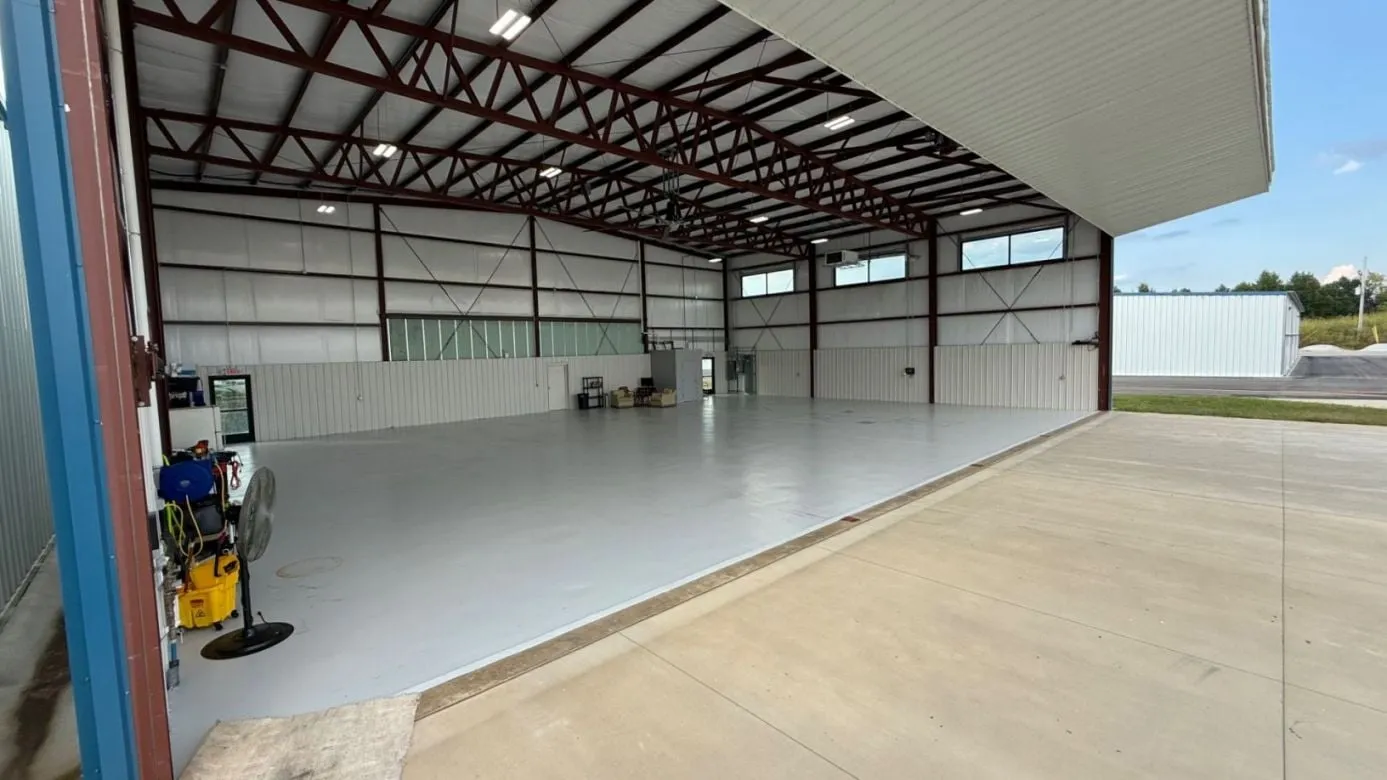

If you are new to aviation, you may have heard the word “hangar” many times without knowing exactly what it means. So, what is a hangar? In simple terms, a hangar is a large enclosed structure designed primarily to store and protect aircraft. Hangars are commonly located at airports, private airfields, aviation communities, and other facilities where aircraft are operated or maintained.
A hangar provides more than a place to park an airplane. Depending on its design and location, it can provide protection from weather, additional storage space, maintenance areas, offices, and other facilities that support aircraft ownership.
What Is a Hangar Used For?
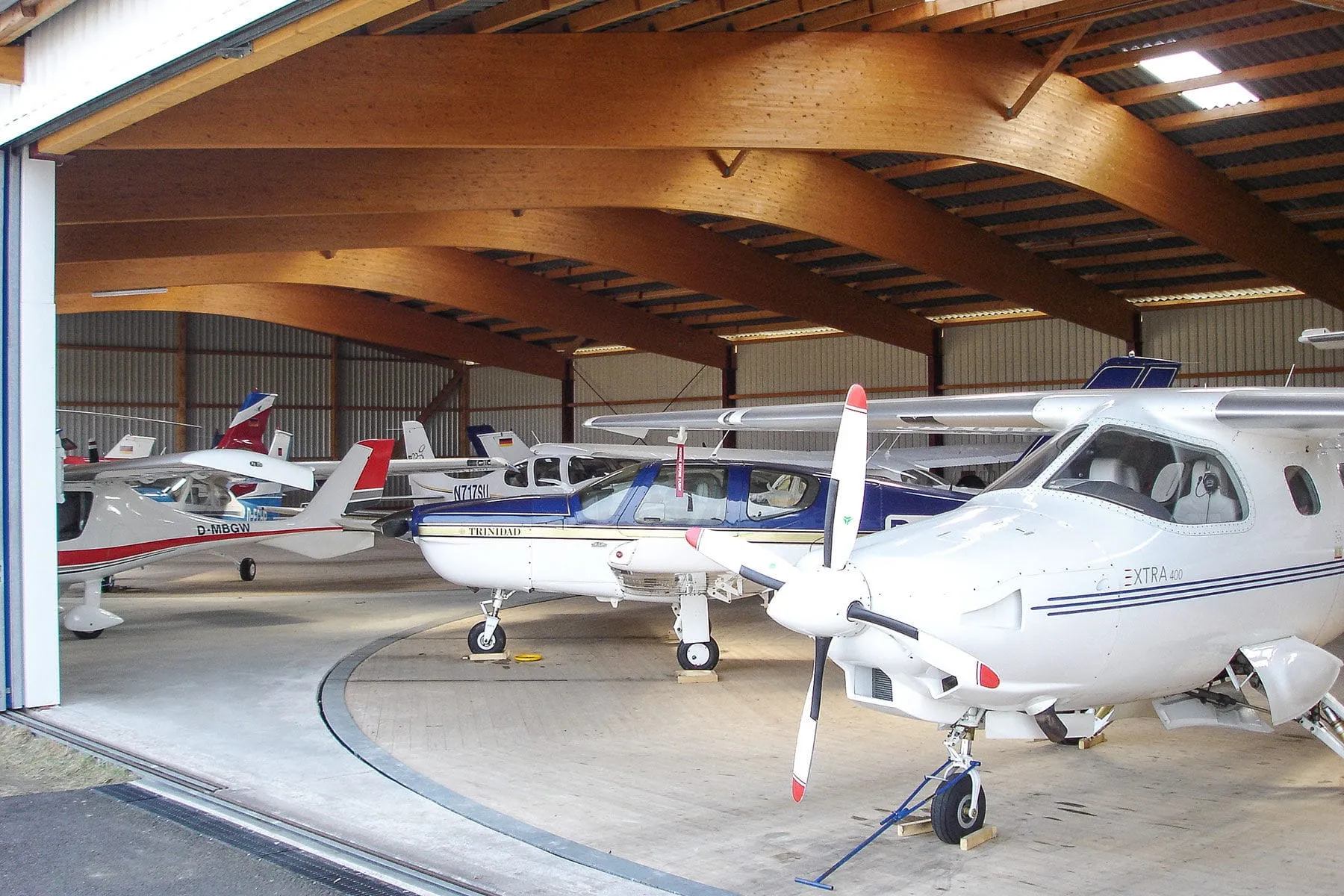
The main purpose of a hangar is aircraft storage. Keeping an aircraft inside an enclosed building can help protect it from rain, snow, wind, sunlight, dust, and other environmental conditions.
Aircraft owners may also use hangars for routine inspections, cleaning, equipment storage, and other aviation-related activities. Larger hangars can accommodate multiple aircraft or provide dedicated areas for maintenance and business operations.
The exact use of a hangar depends on the airport's rules, the size of the building, the aircraft being stored, and the terms of the property or lease.
Common Types of Aircraft Hangars
Hangars come in many different shapes, sizes, and configurations. The right type depends on the aircraft, available space, airport requirements, and the owner's intended use.
T-Hangars
T-hangars are popular among owners of smaller general aviation aircraft. Their layout is designed to provide individual aircraft storage while using airport property efficiently. T-hangars can be available for rent or purchase at airports throughout the United States.
Box Hangars
Box hangars generally provide a more open rectangular interior. They can accommodate larger aircraft and may provide room for vehicles, tools, equipment, or additional aviation activities. Some box hangars are designed for private aircraft, while others can support commercial or corporate operations.
Executive and Corporate Hangars
Larger executive and corporate hangars are designed for bigger aircraft and more extensive aviation operations. Depending on the property, they may include offices, lounges, storage areas, maintenance space, and other amenities.
Custom Hangars
Aircraft owners, developers, and businesses may also construct custom hangars based on specific requirements. HangarTrader's construction resources include manufacturers, builders, and developers offering different approaches to hangar construction. Airport zoning, permitting, setbacks, height restrictions, and fire-code requirements can affect what can be built at a particular location.
Why Aircraft Owners Use Hangars
Aircraft are significant investments, and proper storage can be an important part of aircraft ownership. A hangar can reduce direct exposure to weather and provide a controlled space for aircraft-related activities.
For example, an owner who keeps an airplane outside may have to deal with exposure to intense sunlight, precipitation, wind, and changing temperatures. An enclosed hangar can provide additional protection and convenient access to the aircraft.
A hangar can also make aircraft ownership more practical. Having a dedicated space for aviation equipment, tools, cleaning supplies, and other items can help keep everything organized.
Buying or Renting a Hangar
Aircraft owners generally have two primary options: buying a hangar or renting hangar space.
Buying may make sense for owners who want long-term control of a particular property and have access to a suitable airport location. However, ownership arrangements vary. Some hangars may include an ownership interest in the land, while others may be located on airport ground leases.
Renting can provide flexibility without requiring the upfront commitment associated with purchasing a hangar. Rental prices can vary substantially based on airport location, hangar size, aircraft requirements, amenities, and local supply and demand. HangarTrader's current listings show a wide range of hangars available for sale and rent across different U.S. airports.
Before purchasing or signing a lease, aircraft owners should review the airport's rules, lease terms, access requirements, permitted uses, insurance requirements, and any restrictions associated with the property.
Finding an Aircraft Hangar
Finding suitable hangar space can sometimes be challenging, particularly at airports where available space is limited. Searching by airport, city, state, or aircraft requirements can make the process more efficient.
HangarTrader has been connecting aircraft owners with hangar space since 2001. The company was founded by Bruce Glenn and established a classified marketplace specifically for buying, selling, and renting aircraft hangars. Today, the website offers hangar listings along with services and resources covering areas such as brokerage, auctions, escrow, insurance, loans, realtors, manufacturers, builders, and aviation-related services.
For aircraft owners, sellers, buyers, and aviation businesses, a dedicated hangar marketplace can provide a convenient place to review current opportunities and learn more about the aircraft storage market.
What to Consider Before Choosing a Hangar
Knowing what is a hangar is only the first step. Choosing the right one requires attention to several practical details.
Consider the aircraft's wingspan, height, length, and overall dimensions. The hangar door should provide adequate clearance, and the interior should offer enough room for safe movement.
Airport location is another important consideration. An airport closer to home or work may provide greater convenience, while another airport may offer more affordable or larger hangar options.
Also consider access hours, security, utilities, maintenance responsibilities, lease duration, insurance requirements, and airport regulations.
The Role of Hangars in Aviation
Hangars are an important part of the aviation ecosystem. They support private aircraft owners, flight operations, maintenance businesses, aviation companies, airport operators, and aircraft investors.
From a small T-hangar for a single-engine airplane to a large corporate facility capable of accommodating business aircraft, hangars can serve very different purposes.
Whether you are researching aircraft storage for the first time, planning to rent space, or considering purchasing aviation real estate, understanding the different types of hangars can help you make informed decisions.
HangarTrader provides a dedicated marketplace for exploring aircraft hangars for sale and rent, along with additional aviation services designed to support the hangar ownership and management experience.
Start Your Hangar Search With Hangar Trader
If you have been asking what is a hangar and are ready to explore real aircraft storage opportunities, Hangar Trader can help you review available hangars and related aviation resources.
Visit HangarTrader.com to search current hangars for sale and rent, list your own hangar, or explore services for financing, insurance, brokerage, construction, and other aviation needs.
📞 Call Hangar Trader: 888-357-8007
HangarTrader
41 S Wake Forest Ave.
PO Box 7441
Ventura, CA 93006





















Sign in to leave a comment.