

If you have ever wondered what a silent soundproof diesel generator is, the simple answer is that it is a diesel-powered generator designed with an acoustic enclosure to reduce operating noise while protecting key components from the surrounding environment. These generators are widely used where dependable backup power is required but excessive noise is undesirable.
A diesel generator naturally produces sound from combustion, mechanical movement, cooling fans, exhaust gases, and vibration. A soundproof or silent-type DG set uses an engineered enclosure and acoustic materials to reduce the amount of this noise reaching the surrounding area. The result is a more practical power solution for locations where people work, live, study, or receive services.

Why Noise Reduction Matters in Generator Installations
Noise may not seem like a major concern when selecting a generator for an isolated industrial site. The situation changes considerably when the DG set is installed near offices, apartment buildings, hospitals, schools, hotels, retail spaces, or other occupied areas. A conventional open generator can produce noticeable engine and exhaust noise during operation. If it operates for several hours, particularly at night, the sound can become disruptive. A properly engineered acoustic enclosure helps reduce this transmission and makes the generator more suitable for populated environments.
However, the term "silent" should not be interpreted literally. Every operating diesel generator produces some sound. The actual noise level depends on the generator design, engine size, enclosure, load, installation environment, exhaust arrangement, and distance from the measurement point.
How a Soundproof Canopy Reduces Generator Noise
The canopy surrounding a silent DG set performs several functions at the same time. Acoustic insulation materials inside the enclosure absorb or reduce the transmission of sound generated by the engine and other components. Specially designed airflow paths allow cooling air to enter and hot air to leave while helping limit direct sound transmission. The exhaust system is another important source of noise. Engine exhaust pulses can produce substantial sound, which is why suitable silencers and exhaust arrangements are commonly incorporated into generator installations.
Vibration control also contributes to the overall acoustic performance. Engine vibration can travel through the generator frame and foundation, potentially creating structural noise. Proper mounting, isolation, and foundation design can help manage these effects. The result is not simply a box placed around a generator. A well-designed enclosure must balance noise reduction with ventilation, cooling, maintenance access, exhaust management, and safe operation.
Silent Generators and Outdoor Installation
One reason soundproof generators are frequently selected for outdoor applications is that their canopy provides a degree of environmental protection. Dust, rain, sunlight, and other external conditions can affect exposed equipment, particularly when a generator is installed without a suitable shelter. The canopy can provide an additional protective barrier, but it does not eliminate the need for proper site planning. The generator still requires adequate airflow, clearance, exhaust routing, drainage, and access for maintenance.
For example, placing a generator too close to a wall may restrict airflow and cause hot air to circulate back toward the radiator. Even a well-designed canopy cannot compensate for an unsuitable installation arrangement.
What Makes a Generator Suitable for Commercial Locations?
Commercial environments often have competing requirements. The generator needs to provide sufficient electrical capacity while remaining practical for an occupied site. Consider a hotel that needs backup electricity for essential lighting, elevators, HVAC equipment, security systems, and other services. A generator located close to guest rooms or public areas needs careful consideration of sound levels, exhaust routing, appearance, and accessibility.
A similar situation can occur at hospitals, educational institutions, residential complexes, offices, and retail properties. In such environments, the acoustic characteristics of the generator can become an important part of the overall purchasing decision. The generator's published noise specifications should therefore be reviewed alongside its kVA rating, fuel consumption, dimensions, service requirements, and electrical characteristics.
Maintenance Still Matters With a Silent DG Set
The presence of a canopy does not remove the need for regular generator maintenance. In fact, maintaining the enclosure's ventilation openings, acoustic materials, doors, seals, and cooling paths can be important for continued performance. Engine oil, filters, coolant, batteries, belts, hoses, electrical connections, and alternator components also require attention according to the manufacturer's maintenance schedule.
Dust accumulation can restrict airflow, while damaged acoustic material may affect noise performance. Loose panels or poorly maintained doors can create additional vibration or sound transmission. A maintenance team should therefore treat the canopy and the generator as one integrated installation rather than considering the enclosure to be a maintenance-free component.
Silent Generators and Fuel Efficiency
Noise reduction does not automatically mean improved fuel efficiency. Fuel consumption is primarily influenced by the engine, generator capacity, electrical load, operating hours, fuel characteristics, and overall system condition. Correct generator sizing is particularly important. A significantly oversized DG set may spend much of its operating time at a relatively low load, while an undersized generator may struggle when demand increases.
Understanding the site's actual load profile before selecting a generator can help users choose a configuration that better matches their operating requirements. This can influence both fuel economics and long-term equipment management.
Emission Control Is a Separate Consideration
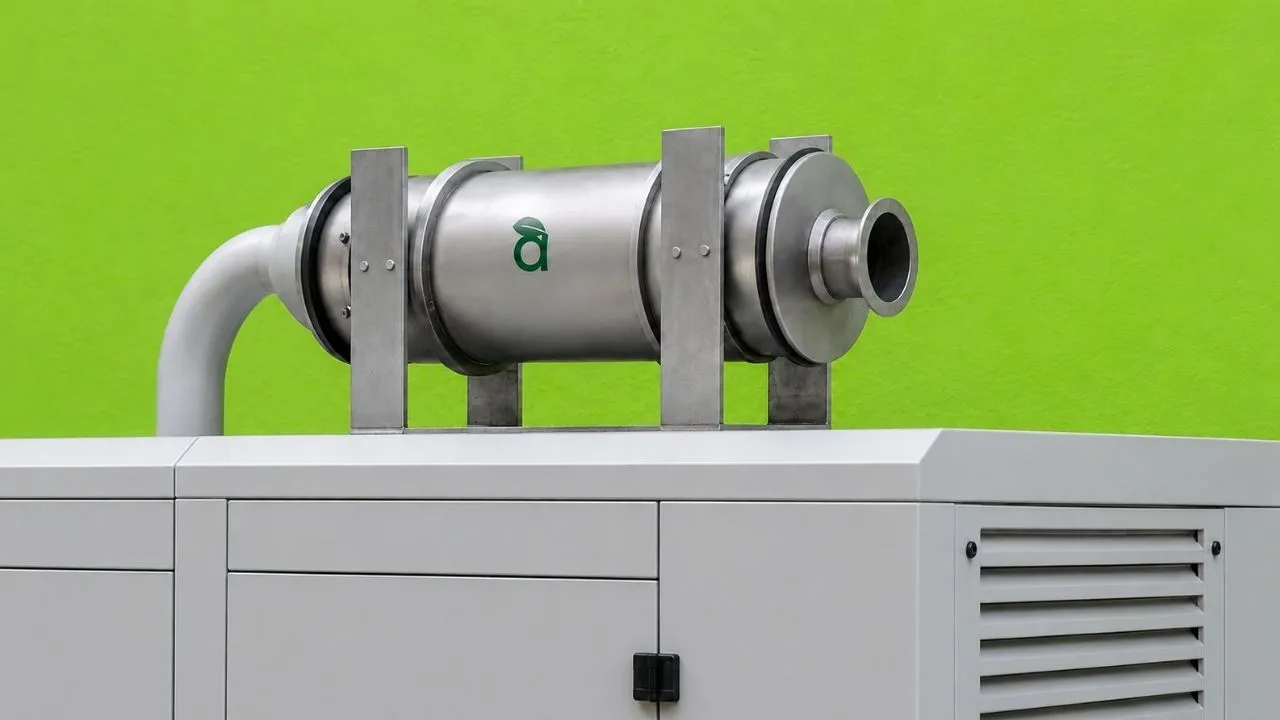
A silent canopy can reduce noise and provide environmental protection, but it does not itself remove diesel exhaust pollutants. The engine continues to produce exhaust emissions during combustion, regardless of whether it is enclosed. For applicable installations, owners may therefore need to consider emission-control equipment separately. Retrofit emission-control technology can be relevant when evaluating existing diesel generator installations, depending on generator specifications, technical compatibility, operating conditions, and applicable requirements.
Businesses researching CPCB approved RECD manufacturers should evaluate the technical suitability of a proposed retrofit system rather than relying only on a marketing description. The DG set's capacity, engine condition, exhaust configuration, operating pattern, and installation environment should all be considered before selecting an emission-control solution. CPCB requirements and environmental directions may depend on the specific generator, location, and circumstances. Therefore, users should verify the latest applicable requirements directly with the Central Pollution Control Board, relevant State Pollution Control Board, CAQM where applicable, or another competent authority before making compliance-related decisions.
How to Choose the Right Silent Generator
Selecting a silent generator begins with understanding the electrical requirement. The expected running load, starting loads, critical equipment, required backup duration, and future expansion plans should all be considered. The physical site matters just as much. Buyers should evaluate available space, ventilation, exhaust routing, accessibility, noise-sensitive areas, foundation requirements, fuel storage, and local installation conditions.
The enclosure's construction and acoustic performance should also be evaluated rather than assuming that every canopy generator offers identical noise reduction. Manufacturer specifications and test conditions can provide a more realistic basis for comparison. Service support is another important consideration. A generator may operate reliably for years, but only when it receives appropriate maintenance and timely technical support. Availability of spare parts, service personnel, warranty terms, and installation assistance can therefore influence the total ownership experience.
Is a Silent Diesel Generator Right for You?
A soundproof diesel generator can be an effective choice when reliable backup or prime power is needed in an environment where noise, weather exposure, and equipment protection are important considerations. The key is to look beyond the word "silent." A generator should be evaluated as a complete system, including engine performance, alternator capacity, acoustic enclosure, cooling arrangement, exhaust system, electrical controls, maintenance accessibility, and applicable emission requirements.
For businesses and facility managers, this broader approach can lead to a generator installation that is not only quieter but also more practical, reliable, and suitable for its operating environment.
Frequently Asked Questions
1. What is a silent diesel generator?
A silent diesel generator is a DG set fitted with an acoustic enclosure designed to reduce operating noise. It is commonly used in commercial, residential, institutional, and other noise-sensitive environments.
2. Is a silent generator completely noiseless?
No. "Silent" generally refers to noise-reduced operation rather than zero sound. The actual sound level depends on the generator, canopy design, load, installation, exhaust system, and surrounding environment.
3. Can a silent generator be installed outdoors?
Yes, appropriately designed canopy generators are commonly installed outdoors. Proper ventilation, exhaust routing, foundation, drainage, clearance, and maintenance access are still necessary.
4. Does a soundproof canopy reduce diesel emissions?
No. The primary purpose of the canopy is noise reduction and equipment protection. Diesel exhaust emissions originate from engine combustion and may require separate emission-control technology where applicable.
5. How do I select the right silent DG set?
Start by assessing electrical load, starting requirements, operating hours, installation location, noise sensitivity, environmental conditions, service requirements, and applicable regulations. Professional technical assessment can help determine the appropriate generator configuration.
























Sign in to leave a comment.