


If you've ever landed on a company's homepage and watched a short, friendly video walk you through what the product does, you've seen an explainer video in action. They're one of the most common formats in business marketing today — and for good reason. But what exactly makes a video an "explainer," and why have so many companies made them a core part of their marketing?
This article breaks down what explainer videos are, the different styles they come in, and why businesses continue to invest in them.
What Is an Explainer Video?
An explainer video is a short video — typically 60 to 120 seconds — designed to communicate what a product or service does, what problem it solves, and why it matters to the viewer. Explainer videos are usually placed on landing pages, product pages, or the top of a sales funnel, where a visitor needs to understand a concept quickly before deciding whether to explore further.
Unlike a full product demo or a long-form brand film, an explainer video is built around a single job: make a potentially confusing idea easy to understand in under two minutes.
Most explainer videos follow a simple structure:
- Identify a problem or pain point the target audience recognizes.
- Introduce the product or service as the solution.
- Show how it works, usually through simplified visuals or a quick walkthrough.
- End with a clear call to action, like signing up, requesting a demo, or learning more.
Common Styles of Explainer Videos
Explainer videos aren't limited to one visual style. The right approach depends on the product, audience, and budget.
- 2D animated explainers use illustrated characters and graphics, often the go-to choice for software, apps, and abstract services that don't have a physical product to show on camera.
- Whiteboard explainers simulate hand-drawn illustrations, which work well for step-by-step or educational content.
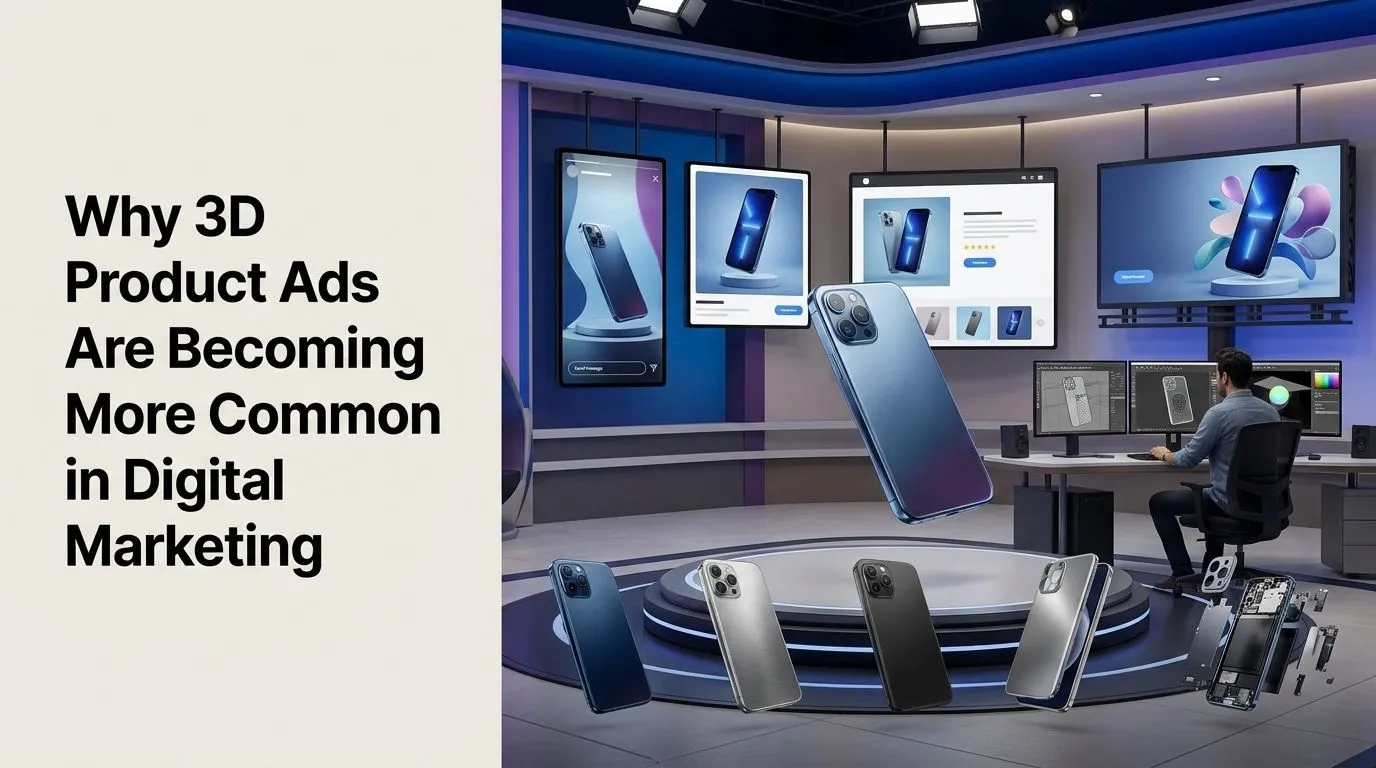
- 3D animated explainers are common when a company needs to visually demonstrate a physical product, device, or mechanism, since 3D can show internal components or realistic movement that flat illustration can't.
- Live-action explainers use real people and settings, often for products or services where human connection or authenticity is central to the message.
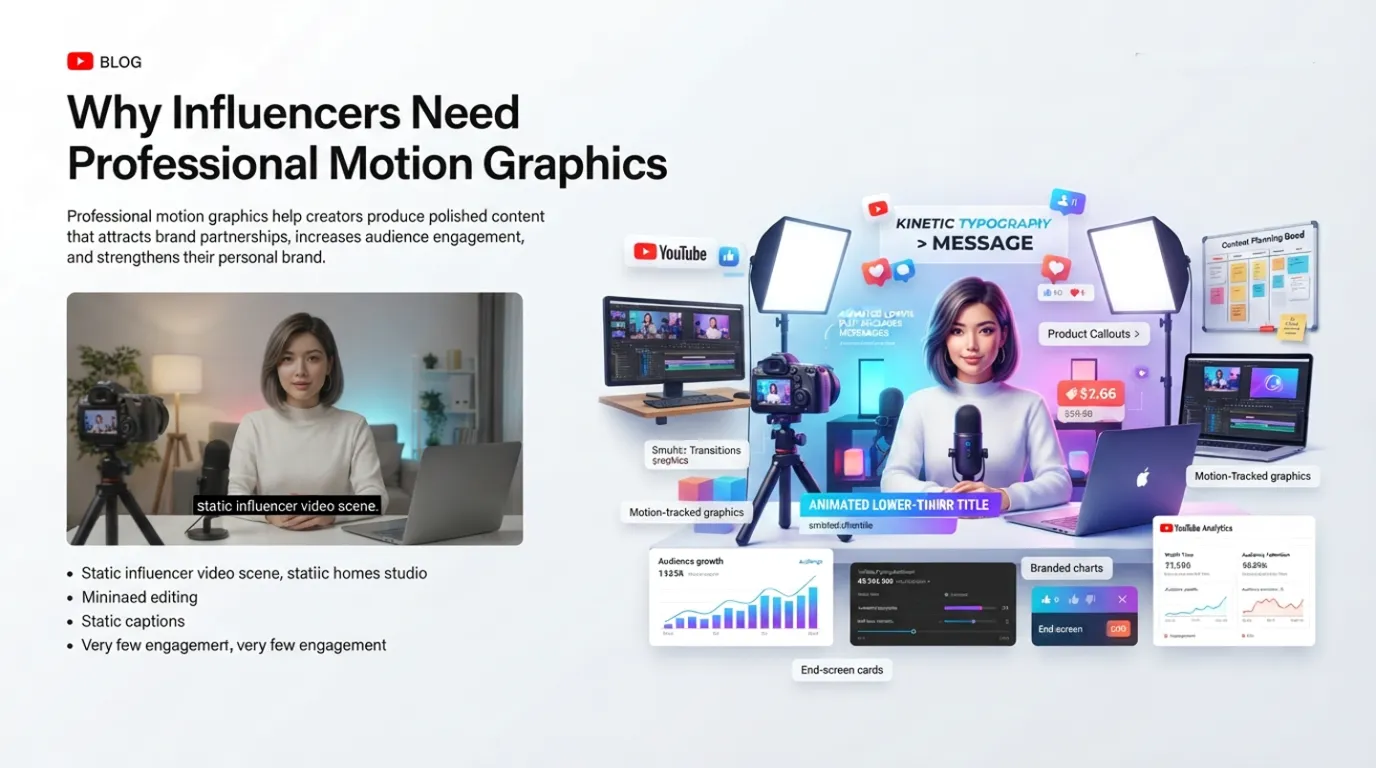
- Motion graphics explainers rely on animated text, icons, and data visualizations rather than characters, often used for SaaS products or data-driven services.
Explainer videos for products in particular tend to lean toward 3D or motion graphics styles when the goal is to show how something physically works, versus 2D or whiteboard styles when the goal is to explain a more abstract concept or workflow.
Why Businesses Use Explainer Videos
They Simplify Complex Information Quickly
Many products — especially in software, healthcare, finance, and technology — involve concepts that are hard to explain in a few lines of text. Video allows a business to combine narration, visuals, and pacing to communicate an idea faster than a paragraph of copy typically can.
They Improve Engagement on Key Pages
Video content tends to hold visitor attention longer than static text or images alone, which is part of why explainer videos are frequently placed on homepages and landing pages — the pages where first impressions and quick comprehension matter most.
They Support the Buyer's Decision-Making Process
Before committing to a demo call or a purchase, potential customers often want a low-effort way to understand whether a product fits their needs. An explainer video acts as a filter and a primer, helping qualified leads self-select before they ever talk to a sales team.
They're Versatile Across Channels
The same explainer video (or trimmed versions of it) can be reused across a website, social media, email campaigns, trade show booths, and sales presentations, making it a flexible asset relative to its production cost.
They Reinforce Brand Identity
Beyond the informational function, the visual style, tone, and pacing of an explainer video contribute to how a brand is perceived — polished and professional, approachable and friendly, technical and precise, and so on — depending on how it's produced.
When Should a Business Consider an Explainer Video?
Explainer videos tend to deliver the most value when:
- The product or service is new, complex, or not immediately self-explanatory
- Website visitors frequently ask the same clarifying questions before converting
- The sales cycle involves educating prospects before they're ready to buy
- The brand wants a consistent, reusable asset across multiple marketing channels
They're less necessary for products that are already simple and self-evident, where a strong headline and a few product images may communicate the same message just as effectively.
Choosing the Right Team to Produce One
Because explainer videos combine scriptwriting, visual design, animation, voiceover, and pacing, quality varies significantly between production teams. When evaluating options, it's worth asking to see previous work in a similar style or industry, understanding their scripting process (since a weak script undermines even strong visuals), and getting clarity on timelines and revision rounds upfront.
Working with an experienced Explainer Video Agency can also help ensure the finished video is built around your actual audience and sales goals, rather than a generic template applied to every client regardless of industry.
FAQs
How long should an explainer video be? Most explainer videos run between 60 and 120 seconds. Shorter videos tend to work better for top-of-funnel awareness, while slightly longer ones can accommodate more detailed products.
Do explainer videos need to be animated? No. While animation (2D, 3D, whiteboard, or motion graphics) is common, live-action explainer videos are also widely used, particularly when human presence or real environments strengthen the message.
Where should a business place its explainer video? The most common placements are the homepage, dedicated landing pages, product pages, and the top of email or social ad campaigns.
How much does an explainer video typically cost? Cost varies significantly based on animation style, length, complexity, and revision needs, so it's best treated as a project-specific quote rather than a fixed price.
What makes an explainer video effective? A clear problem statement, a simple explanation of the solution, concise scripting, and a strong call to action are generally more important to effectiveness than visual polish alone.



























Sign in to leave a comment.