



The question “What is bioresonance therapy?” frequently surfaces in conversations about alternative medicine treatments.
This comprehensive guide examines the background, methodology, and current medical understanding of this therapeutic approach, which has steadily gained attention in recent decades.
Origins and Basic Principles
Bioresonance therapy emerged in the 1970s when medical practitioners began exploring the role of electromagnetic frequencies in medicine. The fundamental concept behind this therapy stems from the observation that human cells produce measurable electromagnetic waves.
According to practitioners, these waves undergo noticeable changes during illness, creating distinct patterns that specialized equipment can detect and measure. This theoretical framework forms the foundation for modern bioresonance treatments.
Treatment Methods
The practical application of bioresonance therapy involves carefully placed electrodes on specific areas of a patient’s skin.
Treatment sessions typically span 45 minutes to an hour, during which these electrodes remain connected to sophisticated measurement devices. These specialized machines supposedly detect and analyze electromagnetic waves emanating from the body’s cells.
Practitioners monitor these readings to identify variations between normal and abnormal cellular frequencies, using this information to guide their therapeutic approach.
Scientific Background
The medical research community maintains various perspectives on bioresonance therapy.
While several smaller studies indicate potential benefits for particular conditions, the broader medical establishment has not yet fully endorsed the theoretical foundations underlying this treatment method.
Researchers continue investigating the relationship between cellular activity and electromagnetic frequencies, seeking to understand the mechanisms that might explain reported therapeutic effects.
Common Uses in Practice
Healthcare providers typically recommend bioresonance for these conditions:
- Digestive issues and food reactions
- Pain management
- Skin problems
- Sleep difficulties
- Stress-related symptoms
Equipment and Technology
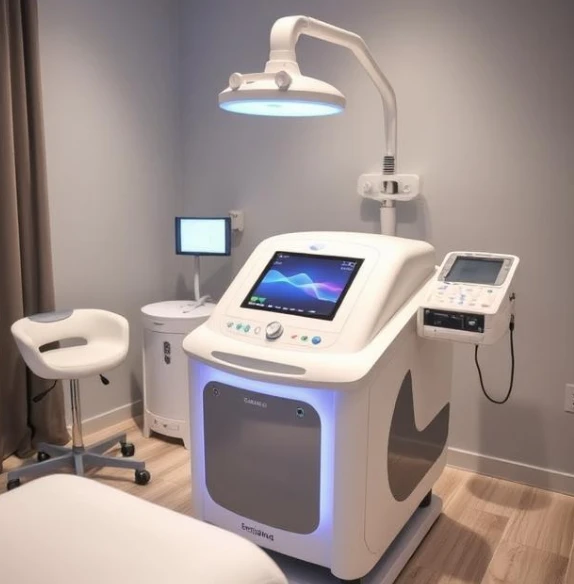
Modern bioresonance equipment bears similarities to other medical monitoring devices, featuring advanced computer interfaces and sensitive detection systems.
These machines combine specialized hardware with sophisticated software designed to process and analyze frequency patterns. The technology continues evolving, with newer models incorporating improved sensitivity and more detailed analytical capabilities.
Safety Information
Bioresonance stands out as a notably non-invasive therapeutic approach. The treatment process involves electrodes that simply rest against the skin surface, eliminating risks associated with more invasive procedures.
However, potential patients should understand that regulatory frameworks vary significantly between regions and countries. These variations affect how practitioners can market their services and deliver treatments, making it essential to research local standards and requirements.
Treatment Experience
A typical bioresonance session begins with patients settling comfortably on a treatment table. Practitioners thoroughly explain what is bioresonance therapy and its expected effects before carefully positioning multiple electrodes at strategic body points.
The majority of patients report no unusual sensations during treatment, with many describing a deeply relaxing experience. The gentle nature of the procedure allows patients to remain fully clothed and comfortable throughout the session.

Professional Standards
The process of identifying qualified bioresonance practitioners requires careful consideration and research. Reputable providers readily share detailed information about their training, certification, and professional experience.
They maintain transparent communication about expected outcomes and willingly collaborate with other healthcare approaches when appropriate. Professional practitioners also keep detailed treatment records and regularly assess patient progress.
Practical Application
Contemporary bioresonance practitioners often integrate this therapy within broader treatment strategies. Supplementary recommendations might include modifications to diet, stress management techniques, and lifestyle adjustments.
Regular monitoring and assessment help track symptom changes and treatment effectiveness over time. This comprehensive approach allows practitioners to adjust treatment plans based on individual patient responses.
Treatment Plans
Professional providers develop individualized treatment protocols based on specific patient symptoms and conditions. Initial treatment often involves weekly sessions, gradually transitioning to less frequent visits as symptoms improve.
The total number of recommended sessions varies considerably depending on the treated condition’s nature and severity. Practitioners regularly evaluate progress and adjust treatment frequency accordingly.
Research Development
Scientific investigation into what is bioresonance therapy continues expanding our understanding of this alternative treatment. Current research particularly focuses on quantifying electromagnetic changes within living tissue.
These studies may provide valuable insights into the biological mechanisms potentially influenced by bioresonance therapy. Ongoing investigations also examine specific applications for various health conditions.
Medical Integration
An increasing number of medical practices now incorporate bioresonance therapy alongside conventional treatments. This shift reflects a growing trend toward integrating complementary approaches within traditional healthcare settings.
While insurance coverage remains limited in most regions, some providers offer flexible payment options to make treatments more accessible.
Looking Ahead
Scientific understanding of electromagnetic fields in medicine continues advancing through ongoing research. These developments may significantly influence how the medical community views bioresonance therapy in coming years.
For now, interested patients should maintain open dialogue with their healthcare providers about incorporating this therapy into their treatment plans.
Healthcare providers recommend reviewing the following before starting treatment:
- Current medical conditions and medications
- Treatment costs and time commitments
- Provider qualifications and experience
- Expected outcomes and limitations
Future Developments
Research into what is bioresonance therapy and its applications continues expanding. Technological improvements may enhance treatment delivery methods and effectiveness.
Additional clinical studies could help identify which conditions respond most favorably to this therapeutic approach. The growing interest in integrative medicine may also lead to more standardized protocols and improved quality control measures.
The medical field constantly evolves as new research findings emerge and treatment methodologies advance. Patients benefit from staying informed about current evidence while maintaining regular communication with qualified healthcare providers.
This approach helps ensure safe and appropriate care choices while maximizing potential therapeutic benefits.