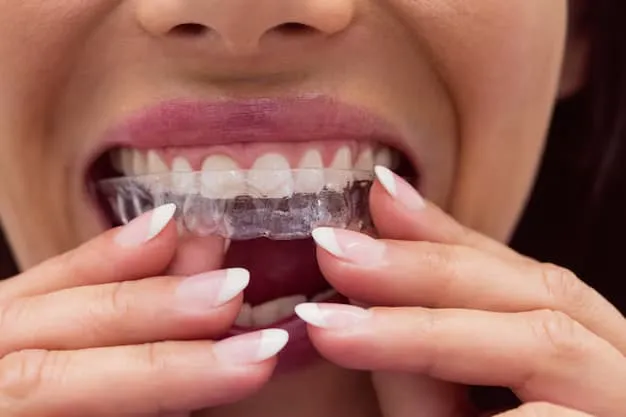

A well aligned smile can contribute to comfortable chewing, easier oral hygiene, and greater confidence. Patients with concerns about crowded, spaced, or unevenly positioned teeth may explore removable clear aligner treatment as an alternative to traditional orthodontic appliances. Understanding what is Invisalign clear aligner treatment designed to improve can help patients determine whether the approach may suit their needs. Clear aligners use a sequence of custom appliances to apply controlled pressure and gradually guide teeth toward planned positions. Treatment suitability depends on the patient's alignment concerns, oral health, bite, and individual treatment goals.
Understanding Clear Aligner Treatment
Clear aligner treatment involves wearing a series of removable appliances designed to gradually move teeth. Each aligner is created for a particular stage of the treatment plan. As patients progress through the sequence, the teeth are guided toward their planned positions. The exact number of aligners varies according to the complexity of the case. Clear aligners are generally less noticeable than traditional braces, which can make them appealing to adults and other patients concerned about appearance. However, successful treatment requires consistent wear and regular professional monitoring.
Treating Crowded Teeth
Crowding occurs when there is insufficient space for teeth to align properly within the dental arch. Crowded teeth can overlap or rotate, making some areas harder to clean. Depending on the severity and type of crowding, clear aligners may be used to gradually create appropriate movement and improve alignment. Not every crowding case is suitable for clear aligners. A professional examination is necessary to determine whether the required movements can be achieved safely. Patients should also understand that treatment success depends on following wearing instructions and attending recommended appointments.
Addressing Spacing
Spacing refers to noticeable gaps between teeth. Some spaces may occur because of tooth size, jaw dimensions, missing teeth, or other factors. Clear aligners can sometimes move teeth closer together when the spacing is suitable for orthodontic correction. However, the underlying reason for the space should be considered before treatment begins. If a gap is associated with gum disease, a missing tooth, or another condition, that concern may need attention first. A detailed evaluation helps determine whether clear aligners can address the spacing safely and predictably.
Improving Selected Bite Concerns
Clear aligners may also be used for certain bite relationships depending on their complexity. An uneven bite can affect how upper and lower teeth meet during chewing. Some mild to moderate bite concerns may respond to carefully planned aligner movement, while more complex cases may require alternative orthodontic approaches. Patients should not assume that every bite problem can be corrected with clear aligners. Professional assessment is essential. The provider may evaluate tooth position, jaw relationships, existing restorations, and oral health before recommending a suitable treatment approach.
Supporting Better Oral Hygiene
Aligned teeth can sometimes be easier to clean because there may be fewer areas where teeth overlap. Crowding can make brushing and cleaning between teeth more difficult, allowing plaque to remain in hidden areas. Improving alignment may therefore support easier daily hygiene, although it does not replace proper brushing or professional cleaning. Patients undergoing aligner treatment must remain especially attentive to oral hygiene. Teeth should be cleaned before aligners are replaced after meals. Good hygiene can help reduce the risk of cavities and gum inflammation throughout treatment.
The Importance of Professional Evaluation
Clear aligner treatment should begin with a comprehensive examination. Dental professionals evaluate tooth position, bite, gums, existing restorations, and other factors that may influence treatment. Digital scans or other diagnostic tools may be used to create a detailed treatment plan. Patients with untreated cavities or gum disease may need treatment before alignment begins. This evaluation helps determine whether clear aligners are appropriate and what results may realistically be expected. A professional assessment is more reliable than choosing treatment based only on photographs or general information.
Personalized Treatment Planning
Every clear aligner treatment plan is designed around the patient's individual tooth positions and desired movement. Digital planning may show how teeth are expected to move through successive stages. Patients should understand that digital simulations are planning tools rather than absolute guarantees. Biological responses can vary, and some teeth may move differently than predicted. Regular monitoring allows the dental professional to evaluate progress and make appropriate adjustments. Personalized planning can help ensure that the treatment addresses the patient's actual alignment concerns while maintaining attention to oral health and function.
Consistent Aligner Wear
Clear aligners depend heavily on patient cooperation. They must be worn according to professional instructions so that teeth receive the intended pressure for sufficient periods. Frequent removal or inconsistent use can delay progress and affect the fit of subsequent aligners. Patients should establish routines that make wearing aligners practical during work, school, travel, and social activities. If an aligner becomes uncomfortable or does not fit as expected, the patient should contact the dental provider. Continuing treatment without addressing fit problems may affect the planned movement.
Eating and Cleaning
Clear aligners are generally removed while eating, and patients should follow professional instructions regarding beverages. Food and sugary liquids can remain around teeth if oral hygiene is neglected before replacing aligners. Patients should brush and clean between teeth regularly and keep the aligners clean. Proper storage is also important whenever the appliances are removed. Following cleaning instructions can help prevent unpleasant odors and maintain the condition of the aligners. Good hygiene throughout treatment supports both comfort and oral health.
Retainers After Alignment
After active clear aligner treatment, retainers are commonly used to help maintain the new tooth positions. Teeth can naturally shift over time, so retention is an important part of protecting the treatment result. Patients should follow instructions regarding retainer wear and replacement. The duration of retention varies between individuals. Patients should also continue routine dental examinations after alignment. Maintaining oral hygiene and attending professional appointments can help preserve both the alignment and the health of the teeth and gums.
Benefits and Limitations
Clear aligners can provide a discreet and removable option for selected alignment concerns. Their removable design allows patients to eat normally and clean their teeth without navigating around fixed brackets. However, they are not appropriate for every orthodontic condition. They also require consistent patient cooperation, which may be challenging for some individuals. Patients should compare clear aligners with other orthodontic options based on complexity, expected treatment duration, lifestyle, cost, and professional recommendations. Choosing the appropriate method is more important than selecting a treatment solely because it appears convenient.
Conclusion
Patients interested in clear aligners should receive an individualized assessment before beginning treatment. The provider can evaluate whether crowding, spacing, or selected bite concerns can be addressed effectively with removable aligners. Oral health problems should be treated first when necessary. Patients should also ask about treatment duration, wearing requirements, follow up visits, refinements, and retention. Understanding the complete process can help set realistic expectations. SMILAND DENTAL can be considered by patients exploring clear aligner treatment and seeking professional evaluation, personalized planning, and ongoing support for a straighter smile.






















Sign in to leave a comment.