
Network Attached Storage, or NAS, has long been a staple in data centers and on-premises IT infrastructure. But as businesses increasingly move towards cloud-native environments, questions about its relevance are popping up. Is this traditional storage solution still useful, or is it a relic of a bygone era?
This guide will answer the question, "What is NAS storage?" and explore its evolving role. We will examine how enterprise NAS fits into modern IT strategies, compare it with cloud storage, and help you understand how it can support your cloud-native applications. By the end, you'll have a clear picture of how NAS can serve as a powerful component in a hybrid cloud world.
Understanding NAS Storage
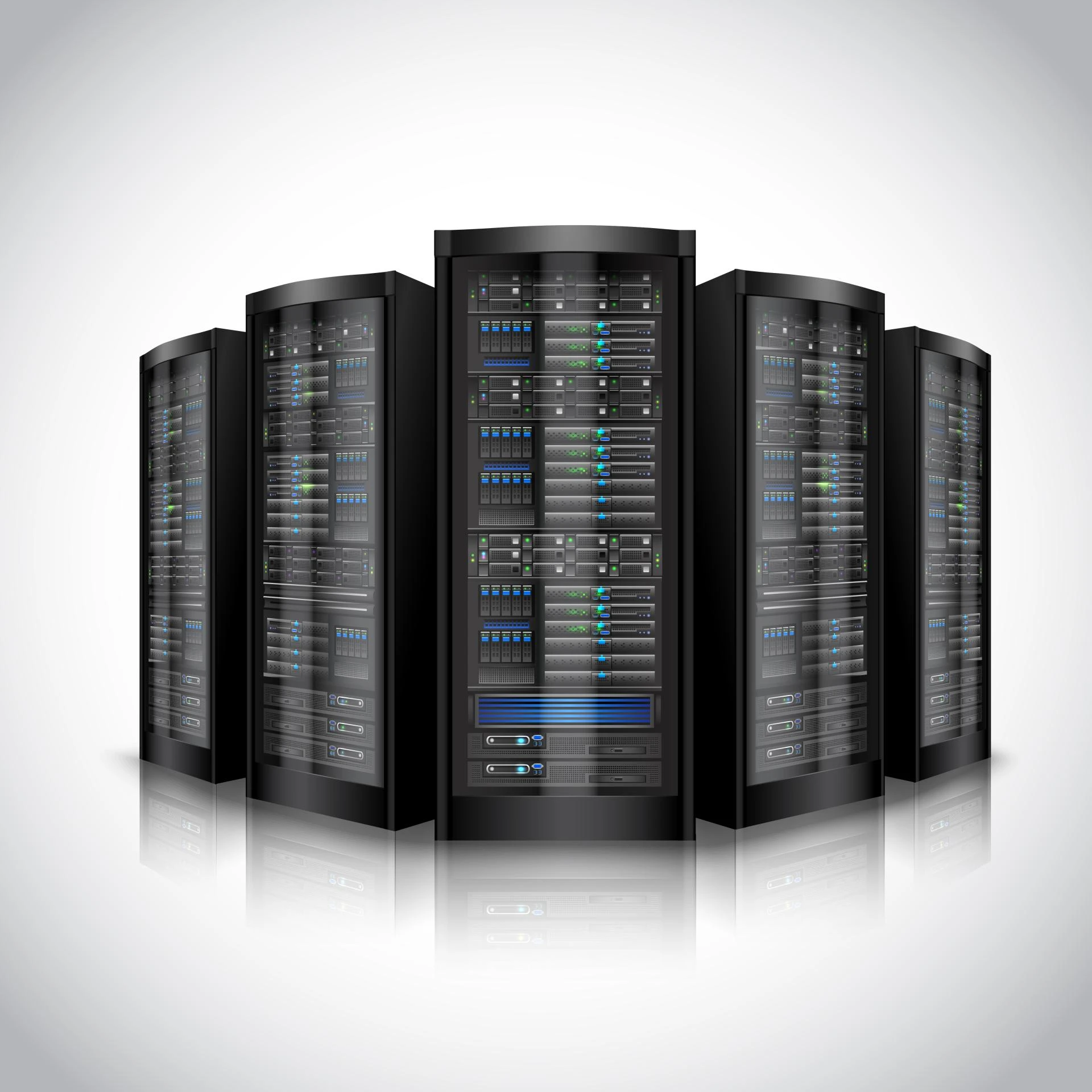
So, what is NAS storage? At its core, Network Attached Storage is a dedicated file storage device connected to a network. Unlike a hard drive connected directly to a single computer (Direct Attached Storage or DAS), a NAS device allows multiple users and devices on the network to access and share files from a central location.
Think of it as a private cloud for your office or home. It’s a standalone box containing one or more hard drives, running a lightweight operating system that manages file access, security, and other functions. Users can connect to the NAS device over the local network (or even remotely, with the right configuration) to store, retrieve, and collaborate on files as if they were stored on their own computer.
The key components of a NAS system include:
- Hardware: A NAS unit, which is essentially a small computer with its own processor, memory, and network interface. It houses multiple drive bays for hard disk drives (HDDs) or solid-state drives (SSDs).
- Software: A specialized operating system that manages the storage, user access, and network protocols.
- Networking: It connects to your network via an Ethernet cable, making it accessible to any device on that network.
- Protocols: NAS uses common file-sharing protocols like Network File System (NFS) for Linux/UNIX systems and Server Message Block (SMB) for Windows environments. This allows different types of devices to communicate with it seamlessly.
Because of its centralized nature and ease of access, NAS became a popular solution for small businesses and home users needing a simple way to share files and back up data.
The Evolution to Enterprise NAS
As the needs of businesses grew more complex, so did NAS technology. This led to the development of enterprise NAS, a more robust and feature-rich version designed to handle the demanding workloads of large organizations.
Enterprise NAS systems offer significant upgrades over their consumer-grade counterparts:
- Higher Performance: They are equipped with more powerful processors, increased memory, and faster network connections (often 10 Gigabit Ethernet or faster) to handle simultaneous requests from hundreds or thousands of users without performance degradation.
- Greater Scalability: Enterprise solutions are built to scale. They support a larger number of drives and can often be expanded by adding more storage shelves, allowing capacity to grow into the petabyte range.
- Advanced Data Protection: These systems include sophisticated features like data deduplication, compression, snapshots, and replication. These tools help reduce storage costs, protect against data loss, and ensure business continuity.
- Enhanced Security: Enterprise NAS provides robust security features, including advanced encryption, integration with corporate directories like Active Directory for user authentication, and detailed access control lists (ACLs) to manage permissions at a granular level.
- High Availability: To minimize downtime, enterprise NAS often includes redundant components like power supplies and controllers, as well as failover capabilities that automatically switch to a secondary system if the primary one fails.
These capabilities make enterprise NAS a reliable and high-performing solution for storing and managing the vast amounts of unstructured data that modern businesses generate.
NAS vs Cloud Storage: A Modern Comparison
With the rise of public cloud services like Amazon S3, Azure Blob Storage, and Google Cloud Storage, many organizations are weighing their options. The NAS vs Cloud Storage debate is central to modern IT infrastructure planning. Each has distinct advantages and disadvantages.
NAS Storage:
- Pros:
- Performance: Offers high speed and low latency, especially for local network users, since data doesn't have to travel over the public internet.
- Control: Provides complete control over your data, hardware, and security configurations. This is critical for industries with strict compliance and data sovereignty requirements.
- Cost Predictability: After the initial hardware purchase, ongoing costs are minimal and predictable, without the variable fees associated with data access and transfer in the cloud.
- Cons:
- Upfront Cost: Requires a significant initial investment in hardware.
- Management: Demands in-house IT expertise for setup, maintenance, and security management.
- Scalability: While scalable, expanding capacity requires purchasing and installing new hardware, which is less flexible than cloud scaling.
Cloud Storage:
- Pros:
- Scalability: Offers virtually limitless scalability. You can increase or decrease your storage capacity on demand without any hardware changes.
- Accessibility: Data is accessible from anywhere with an internet connection, making it ideal for remote and distributed teams.
- Pay-As-You-Go: The pricing model allows you to pay only for the storage you use, avoiding large upfront capital expenditures.
- Cons:
- Performance: Access speeds are dependent on internet bandwidth, and latency can be an issue for performance-sensitive applications.
- Cost: While the initial cost is low, data transfer and access fees can accumulate, leading to unpredictable and potentially high long-term expenses.
- Security & Compliance: Relying on a third-party provider for data storage can introduce security risks and may not meet all regulatory compliance standards.
Instead of an either-or choice, many businesses are finding that the best approach is a hybrid one, combining the strengths of both.
The Role of NAS in Cloud-Native Environments
Cloud-native applications are designed to be resilient, scalable, and flexible, often running in containers orchestrated by platforms like Kubernetes. While it might seem counterintuitive to pair a traditional storage solution like NAS with this modern architecture, enterprise NAS has adapted to play a vital role.
Here’s how NAS supports cloud-native applications:
- Persistent Storage for Stateful Applications: Many cloud-native applications are stateless, but some, like databases or applications that process user-generated content, require persistent storage. Enterprise NAS can provide reliable, shared persistent volumes for containers, ensuring that data survives even if a container is restarted or moved to another node.
- High-Performance Data Hub: For applications that require fast access to large datasets—such as AI/ML model training, big data analytics, or video rendering—NAS can act as a high-performance data lake. Its low latency and high throughput are often superior to what standard cloud object storage can offer, accelerating workflows and improving productivity.
- Cost-Effective Data Tiering: A hybrid cloud strategy often involves tiering data based on its access frequency. NAS can serve as a cost-effective "hot" or "warm" tier for frequently accessed data, while less critical data is archived to cheaper cloud object storage. This optimizes both performance and cost.
- Bridging On-Premises and Cloud: In a hybrid environment, enterprise NAS can act as a bridge between on-premises infrastructure and the public cloud. Many modern NAS solutions offer built-in cloud synchronization and backup features, making it easy to move data between a local NAS and cloud storage for disaster recovery or archival purposes.
Making the Right Choice
NAS is not just a legacy technology; it has evolved into a powerful and flexible solution that complements cloud-native strategies. By offering high performance, robust data management, and greater control, enterprise NAS addresses key challenges in hybrid and multi-cloud environments. It enables businesses to run stateful applications efficiently, manage large datasets, and optimize storage costs.
Rather than viewing NAS and cloud storage as competitors, it's more productive to see them as partners in a comprehensive data management strategy. The future of enterprise IT lies in leveraging the best of both worlds the security and performance of on-premises NAS with the scalability and flexibility of the cloud.

























Sign in to leave a comment.