

Data is the lifeblood of modern business. For organizations leveraging Artificial Intelligence (AI), Machine Learning (ML), and Big Data, managing massive volumes of information isn't just a necessity—it's a core function. The challenge lies in storing this data in a way that is accessible, scalable, and secure. This is where Network Attached Storage (NAS) comes in.
This post will explain what Network Attached Storage is and how it has evolved to become a critical component for data-intensive workloads. We will explore its architecture, its benefits for modern enterprises, and its specific applications in the fields of AI, ML, and Big Data. By the end, you'll understand why a robust storage solution is fundamental to unlocking the full potential of your data.
Understanding Network Attached Storage
So, what is Network Attached Storage? At its core, a NAS is a dedicated file storage server that enables multiple users and devices on a network to access and share data from a central location. Think of it as a private cloud for your organization, but located on your own premises.
Unlike a general-purpose server, a NAS device is specifically designed and optimized for serving files. It connects directly to your office network via an Ethernet cable, making it instantly accessible to any authorized user on that network. This simple, centralized approach to data management is what makes NAS a popular choice for businesses of all sizes.
The Architecture of a NAS System
A NAS system is a self-contained unit with its own operating system and processing power. Key components include:
- Hardware: A typical NAS device contains one or more hard drives, a processor (CPU), and memory (RAM). These components are housed in a single box, often called a "NAS box" or "NAS head."
- Operating System: NAS devices run a lightweight operating system tailored for file storage and sharing. This specialized OS handles user access, file management, and security protocols.
- Network Connection: The device connects to a Local Area Network (LAN) through a standard Ethernet port, allowing it to communicate with other devices like computers, servers, and printers.
- File Protocols: NAS uses standard network protocols like NFS (Network File System) or CIFS/SMB (Common Internet File System/Server Message Block) to make files accessible to different types of client operating systems, such as Windows, macOS, and Linux.
This architecture allows for a plug-and-play setup. Once connected to the network and configured, it appears as a shared network drive to users, providing a straightforward way to store, retrieve, and collaborate on files.
Enterprise NAS Storage for Modern Workloads
While basic NAS systems are great for small offices and home use, the demands of AI, ML, and Big Data require a more powerful solution: Enterprise NAS Storage. These systems are built to handle the immense scale, performance, and reliability required by data-intensive applications.
Enterprise NAS solutions offer significant advantages over traditional file storage, providing the infrastructure needed to support complex computational tasks.
High Scalability and Performance
AI and ML models are trained on enormous datasets that can grow exponentially. Enterprise NAS systems are designed to scale out, meaning you can add more storage capacity and performance by connecting multiple NAS units together. This "scale-out" architecture allows organizations to expand their storage infrastructure seamlessly as their data needs grow, without causing downtime or performance bottlenecks.
Furthermore, high-performance NAS systems use technologies like flash storage (SSDs) and high-speed network connections (like 10GbE or faster) to deliver the low latency and high throughput necessary for feeding data to powerful GPU servers used in AI training.
Centralized Data Management
One of the biggest challenges in Big Data is managing distributed datasets. A NAS system centralizes data, making it easier to manage, secure, and back up. Instead of data being scattered across individual workstations or disparate servers, it resides in a single, unified repository.
This centralization simplifies data governance and ensures that everyone in the organization is working with the same, up-to-date information. For ML teams, this means having a consistent "single source of truth" for training and validation datasets, which is crucial for building accurate and reliable models.
Enhanced Collaboration
AI and data science are collaborative disciplines. Teams of researchers, engineers, and analysts need simultaneous access to large datasets. Enterprise NAS storage facilitates this by allowing multiple users to access and work on the same files concurrently without conflicts or performance degradation. This collaborative environment accelerates the development and deployment of AI applications, fostering innovation and reducing project timelines.
How NAS Supports AI, ML, and Big Data
Let's look at the specific ways NAS technology empowers AI, ML, and Big Data workflows.
The Data Pipeline for AI and ML
The lifecycle of an AI/ML project involves several stages, each with its own data requirements:
- Data Ingestion: Raw data from various sources is collected and stored. NAS provides a centralized landing zone for this data, capable of handling high-volume data streams.
- Data Preparation and Preprocessing: Data scientists clean, label, and transform the raw data to prepare it for model training. A high-performance NAS allows for fast access and manipulation of these large datasets.
- Model Training: This is the most computationally intensive phase. GPU clusters need to be fed data at extremely high speeds to operate efficiently. A performance-optimized NAS can deliver the necessary throughput to keep these expensive resources fully utilized.
- Inference and Deployment: Once a model is trained, it's used to make predictions on new data. A NAS system provides reliable, low-latency access to the model and the data it needs for real-time inference.
Throughout this pipeline, Enterprise NAS Storage ensures that data is consistently available, accessible, and delivered at the required speed.
Use Cases in Big Data Analytics
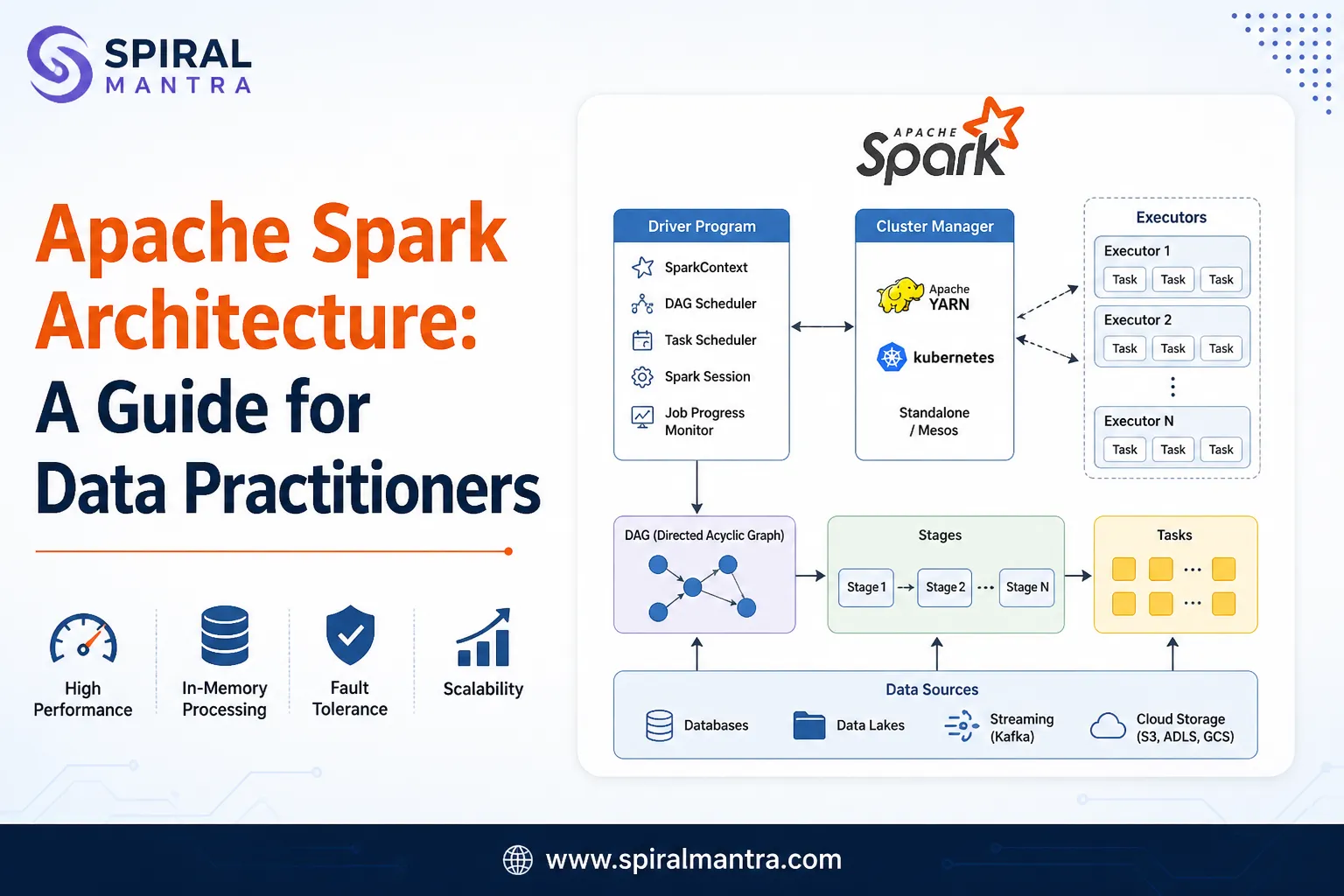
In Big Data analytics, the goal is to extract valuable insights from vast and complex datasets. Whether running complex queries with Apache Spark or managing data lakes, a scalable storage solution is essential.
A scale-out NAS can serve as the storage foundation for a data lake, providing a cost-effective and flexible repository for structured and unstructured data. Its ability to scale horizontally ensures that organizations can continue to grow their analytics capabilities without hitting a storage ceiling.
Choosing the Right NAS for Your Needs
Not all NAS solutions are created equal. When selecting an Enterprise NAS Storage system for AI and Big Data, consider the following:
- Performance: Look for systems that offer high throughput and low latency, especially those that leverage flash storage.
- Scalability: Ensure the system can scale out easily to accommodate future data growth.
- Reliability: Features like data redundancy (RAID), snapshots, and replication are critical for protecting your valuable data assets.
- Protocol Support: Confirm that the NAS supports the file protocols used by your applications and computing environment (e.g., NFS for Linux-based AI frameworks).
- Ease of Management: A user-friendly interface and robust management tools can significantly reduce the administrative overhead of managing your storage infrastructure.
A Foundation for Future Innovation
Network Attached Storage has evolved from a simple file-sharing solution into a powerful enabler of the most advanced computing workloads. For any organization serious about leveraging AI, ML, and Big Data, investing in a robust Enterprise NAS Storage system is not just an IT decision—it's a strategic business move.
By providing a scalable, high-performance, and centralized data platform, NAS empowers data scientists and engineers to innovate faster, derive deeper insights, and build the intelligent applications that will drive the future. As your data continues to grow in volume and importance, a solid storage foundation will be the key to unlocking its true value.




























Sign in to leave a comment.