

A Simple Guide to the Procedure, Healing Process, and What to Expect
Not everyone wants to keep a cosmetic tattoo forever. Your style may have changed, the pigment may have faded to an unwanted color, or you may simply want a fresh start before getting new permanent makeup.
Fortunately, removing or lightening unwanted pigment does not always require laser treatment. Non laser tattoo removal has become a popular option for people who want to fade cosmetic tattoos safely under the care of a trained professional.
If you're considering this treatment, understanding how it works and what to expect can help you make an informed decision.
What Is Non Laser Tattoo Removal?
Non laser tattoo removal is a technique used to reduce or lighten unwanted tattoo pigment without using laser technology.
Instead of breaking down pigment with light energy, this method encourages the body to remove pigment through a controlled healing process. Depending on the type of tattoo, skin condition, and treatment goals, it may be used to lighten or remove cosmetic tattoos before corrective permanent makeup.
Every treatment plan is different because every tattoo and every person's skin respond differently.
How Does the Procedure Work?
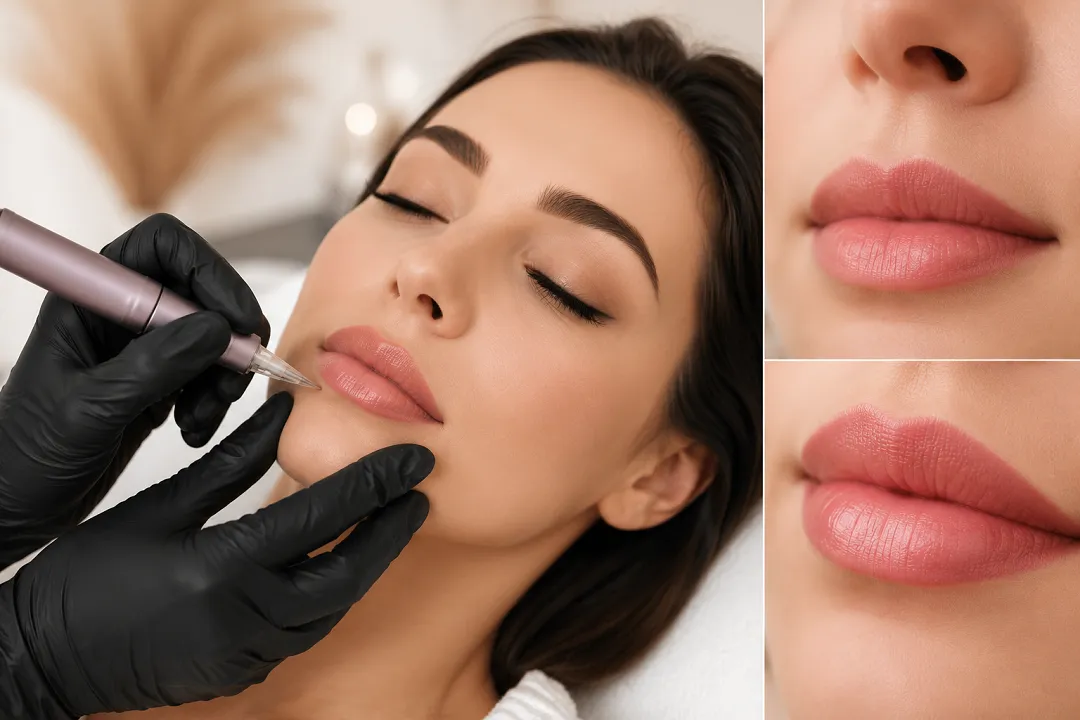
One common approach is saline tattoo removal. During the procedure, a specialized saline solution is carefully implanted into the skin using equipment similar to permanent makeup devices.
As the treated area heals, the body naturally pushes some of the pigment toward the surface while continuing its normal healing process. This gradual approach allows the skin to recover between sessions.
The number of treatments needed depends on several factors, including the age of the tattoo, pigment depth, color, skin type, and how your body heals.
Why Do People Choose Non Laser Tattoo Removal?
There are many reasons someone may choose this treatment.
Some people no longer like the shape or color of an old cosmetic tattoo. Others want to prepare the area for a new permanent makeup procedure by fading existing pigment.
Many clients also prefer non-laser methods because they are designed specifically for cosmetic tattoo correction and can be suitable for certain pigment types.
A professional consultation is the best way to determine whether this approach is appropriate for your situation.
Common Treatment Areas
Non-laser methods can be used on several cosmetic tattoo areas.
One of the most common requests is eyebrow tattoo removal, especially when clients want to correct outdated shapes, uneven pigment, or previous work before receiving a new brow treatment.
Other treatment areas may include eyeliner, lip tattoos, and small cosmetic tattoo corrections, depending on your practitioner's experience and recommendations.
What Happens During the Healing Process?
Healing is an important part of every tattoo removal procedure.
Immediately after treatment, the area may appear darker, slightly swollen, or red. Mild tenderness is also common during the first few days.
As healing continues, the skin may become dry or develop light scabbing. This is a normal part of recovery and should not be disturbed.
Over the following weeks, your skin gradually heals while the treated pigment continues to fade.
Everyone heals differently, so recovery times vary from person to person.
How to Care for the Treated Area
Following proper aftercare instructions for saline tattoo removal helps protect your skin and supports healthy healing.
Your practitioner may recommend:
- Keeping the area clean and dry.
- Avoiding unnecessary touching or scratching.
- Allowing any scabs to fall off naturally.
- Protecting the treated skin from excessive sun exposure.
- Avoiding swimming pools, hot tubs, and saunas until healing is complete.
- Following all product recommendations provided by your practitioner.
Good aftercare reduces irritation and helps your skin recover properly.
How Many Sessions Will I Need?
There is no single answer for everyone.
Some cosmetic tattoos fade more quickly than others, while certain pigments require additional treatments.
Factors that affect the number of sessions include:
- Pigment color
- Pigment depth
- Tattoo age
- Skin type
- Individual healing response
- Previous tattoo procedures
Your practitioner can provide a personalized estimate during your consultation.
When Will I See the Final Results?
Tattoo removal is a gradual process.
Although you may notice fading after the first treatment, complete healing takes time. Your practitioner will usually wait until your skin has fully recovered before recommending another session.
Being patient throughout the process gives your skin the opportunity to achieve natural healed results before deciding whether additional treatments are necessary.
Is Non Laser Tattoo Removal Right for Everyone?
Not every tattoo or every client is the same.
Some people are excellent candidates, while others may benefit from a different treatment approach.
A professional consultation allows your practitioner to evaluate your tattoo, discuss your goals, review your medical history, and recommend the safest option for your individual needs.
Choosing the Right Practitioner
The success of your treatment depends on more than the technique itself.
Choose someone with experience in cosmetic tattoo correction, proper sanitation practices, and a portfolio of healed client results.
An experienced practitioner will explain the procedure honestly, discuss realistic expectations, and answer all of your questions before treatment begins.
Final Thoughts
Non laser tattoo removal offers a practical option for people who want to lighten or remove unwanted cosmetic tattoo pigment without laser technology. While the process requires patience, many clients appreciate the gradual approach and the opportunity to prepare for future permanent makeup if desired.
The key to achieving the best outcome is working with a qualified practitioner, following all aftercare instructions, and allowing your skin enough time to heal between sessions. Every person's journey is unique, but with realistic expectations and proper care, successful results are possible.
Frequently Asked Questions
Is non laser tattoo removal painful?
Most clients describe the treatment as manageable. The level of discomfort varies depending on the treatment area and individual pain tolerance.
How long does healing take?
Initial healing usually takes several weeks, although complete recovery varies from person to person.
Will one session remove my tattoo?
Usually not. Most cosmetic tattoos require multiple treatments because pigment fades gradually over time.
Can I wear makeup while healing?
Avoid applying makeup directly over the treated area until your practitioner confirms that healing is complete.
Can I get new permanent makeup after tattoo removal?
Yes. Many people choose corrective permanent makeup after enough pigment has faded and the skin has fully healed.
Will all tattoo pigment disappear?
Results vary depending on the pigment, tattoo age, skin type, and healing response. Your practitioner can explain what is realistic during your consultation.














Sign in to leave a comment.