

elemedicine has changed the way patients communicate with healthcare professionals, and dermatology is one of the medical specialties that can benefit significantly from this transformation. Skin conditions are often visible, which makes them particularly suitable for remote assessment when appropriate images, medical history, and communication tools are available. This has led to growing interest in teledermatology among patients, physicians, clinics, and healthcare organizations.
But what is teledermatology, exactly? In simple terms, teledermatology is the use of telemedicine technologies to provide dermatology-related healthcare remotely. Instead of always requiring a patient to travel to a dermatology office, a physician can evaluate certain skin, hair, nail, and related conditions through a secure digital platform, video consultation, photographs, or other forms of electronic communication.
Teledermatology does not mean that every dermatological problem can or should be diagnosed remotely. Some conditions require an in-person examination, laboratory testing, dermoscopy, biopsy, or other procedures. However, for many appropriate cases, remote dermatology can make access to professional care faster and more convenient.
What Is Teledermatology?
Teledermatology is a branch of telemedicine focused specifically on dermatological care. It allows dermatologists and other qualified healthcare professionals to evaluate patients without requiring both parties to be physically present in the same location.
A typical teledermatology appointment may involve a patient completing an online intake form, describing symptoms, uploading photographs of the affected area, and participating in a video consultation. The physician reviews the available information, asks additional questions, evaluates the visible symptoms, and determines the appropriate next step.
Depending on the situation, that next step could involve:
- A diagnosis or preliminary assessment
- Prescription treatment
- Recommendations for over-the-counter products
- Additional monitoring
- A follow-up telemedicine appointment
- Referral to an in-person dermatologist
- Laboratory testing
- A biopsy or other diagnostic procedure
- Urgent medical evaluation
The exact process varies depending on the healthcare provider, technology platform, medical condition, and applicable regulations.
The important point is that teledermatology is not simply a video call. It is a structured healthcare service that combines clinical expertise with digital communication and patient information.
How Does Teledermatology Work?
Teledermatology can take several forms, but the basic process is relatively straightforward.
1. Patient Intake
The process usually begins with the patient providing information about the problem. This may include the location of the symptoms, how long they have been present, whether they have changed, and whether the patient has experienced itching, pain, swelling, bleeding, or other symptoms.
A patient may also provide information about medications, allergies, previous diagnoses, and relevant medical history.
Good intake information is important because dermatologists often need more than an image to understand a skin problem.
2. Photograph Submission
Many teledermatology services rely heavily on photographs.
Patients may be asked to take several pictures of the affected area. A useful set can include both a wider image showing where the problem is located and closer images showing the characteristics of the lesion or rash.
Image quality matters. Poor lighting, excessive shadows, motion blur, or an incorrect distance can make an image difficult to interpret.
For this reason, some teledermatology platforms provide instructions for taking clinically useful photographs.
3. Video Consultation
Some services use live video appointments. During the consultation, the physician can communicate directly with the patient, ask questions, and visually examine the affected area when the camera provides sufficient detail.
Video can be particularly useful when the physician needs clarification about symptoms or wants to discuss treatment options.
4. Clinical Assessment
The dermatologist reviews the patient's information and visual material and considers possible diagnoses.
In some cases, the physician may be able to make a diagnosis remotely. In others, the physician may determine that an in-person examination is necessary.
This distinction is important. A responsible teledermatology service should not attempt to force every case into a remote diagnosis.
5. Treatment and Follow-Up
If remote treatment is appropriate, the physician may recommend a treatment plan or prescribe medication when legally and clinically appropriate.
Follow-up can also be performed remotely. A patient might submit new photographs or participate in another video consultation to show whether symptoms are improving.
This makes teledermatology potentially useful not only for initial consultations but also for ongoing management.
What Conditions Can Teledermatology Help With?
One of the reasons teledermatology has become attractive is the broad range of visible skin concerns that can potentially be assessed remotely.
Depending on the individual case, teledermatology may be used for concerns such as:
- Acne
- Eczema
- Psoriasis
- Rosacea
- Rashes
- Dermatitis
- Certain fungal infections
- Warts
- Some types of allergic skin reactions
- Hair loss
- Nail abnormalities
- Skin irritation
- Certain insect bites
- Follow-up of previously diagnosed conditions
- Medication-related skin reactions
However, the suitability of remote care depends on the specific presentation.
For example, a patient with a previously diagnosed chronic condition may be able to receive routine follow-up remotely, while a patient with a new, rapidly changing lesion may require an in-person examination.
Teledermatology for Acne
Acne is one example of a condition that may be suitable for remote dermatology in many situations.
A dermatologist can often learn useful information from photographs, the patient's description of symptoms, and their medical history. During a consultation, the physician can discuss the severity and distribution of acne, previous treatments, skin-care habits, and other relevant factors.
Treatment can then be adjusted based on the patient's circumstances.
Follow-up is another area where teledermatology can be useful. Patients may provide updated photographs so that their physician can assess whether a treatment appears to be working.
Teledermatology for Eczema and Dermatitis
Eczema and dermatitis can produce visible symptoms such as redness, dryness, scaling, and irritation.
A remote consultation can allow a physician to examine photographs and discuss potential triggers. Questions about soaps, detergents, cosmetics, environmental exposure, occupational factors, and previous treatment can provide additional context.
Because these conditions can fluctuate, follow-up appointments may also be valuable.
However, a physician must consider whether symptoms could represent an infection or another condition requiring physical examination.
Teledermatology and Psoriasis
Psoriasis is another condition that can sometimes be monitored remotely.
Patients with an established diagnosis may benefit from virtual follow-up appointments, especially when they need to discuss treatment response or changes in symptoms.
Photographs can help a dermatologist assess visible changes over time, while conversation provides information about discomfort, daily functioning, and treatment adherence.
Teledermatology does not eliminate the need for in-person dermatology care, but it can become one part of a broader care strategy.
Can Teledermatology Detect Skin Cancer?
This is one of the most important questions patients have about remote dermatology.
Teledermatology may help identify skin lesions that appear concerning and determine whether an individual should seek an in-person evaluation. However, remote assessment should not be treated as a universal replacement for physical dermatological examination.
Certain lesions may require dermoscopy, biopsy, pathology, or other diagnostic procedures before a definitive diagnosis can be made.
If a patient notices a new, changing, bleeding, painful, or otherwise concerning lesion, they should not assume that a photograph alone is sufficient.
A teledermatology consultation can sometimes serve as an initial point of contact, but the dermatologist may recommend an in-person visit.
Store-and-Forward vs. Live Teledermatology
There are two common approaches to teledermatology.
Store-and-Forward
With store-and-forward teledermatology, the patient submits information and photographs for the physician to review later.
The dermatologist does not necessarily interact with the patient at the same moment.
This model can be convenient because patients and clinicians do not always need to coordinate a specific appointment time.
Live Video Teledermatology
Live teledermatology uses real-time video communication.
The patient and healthcare professional interact during the same appointment. The physician can ask questions, explain findings, and provide recommendations immediately.
Video consultations can provide a more conversational experience, although image quality and camera positioning can affect the usefulness of the visual examination.
Some modern telemedicine services combine both approaches.
Benefits of Teledermatology
Teledermatology offers several potential benefits for both patients and healthcare professionals.
Improved Convenience
Patients do not necessarily have to travel to a clinic for every dermatology-related concern.
A consultation can sometimes take place from home, work, or another suitable location.
Faster Access
In areas where dermatologists are difficult to access, teledermatology may help patients connect with qualified professionals more efficiently.
This can be particularly valuable when local specialists have long appointment waiting times.
Reduced Travel
Remote care can reduce the need for transportation, parking, and time away from work or family responsibilities.
For patients living far from specialist clinics, the difference can be substantial.
Easier Follow-Up
Follow-up appointments may be easier to complete when they do not require another trip to a medical office.
This can encourage patients to remain engaged with their treatment plans.
Support for Underserved Areas
Teledermatology can potentially extend specialist expertise to communities where dermatologists are limited.
Primary care providers may also use teledermatology services to obtain specialist input when appropriate.
Limitations of Teledermatology
Despite its advantages, teledermatology has limitations.
Image Quality
A physician can only evaluate what the available images or video show. Poor-quality photographs can make assessment difficult.
No Physical Palpation
A dermatologist cannot physically feel a lesion through a screen. Texture, firmness, temperature, and other physical characteristics may sometimes provide clinically important information.
Need for Procedures
Some cases require biopsy, cultures, laboratory tests, dermoscopy, or other procedures that cannot be performed through a standard virtual appointment.
Technology Problems
Internet connectivity, camera quality, device limitations, and software problems can interfere with a consultation.
Privacy and Security
Healthcare information is sensitive. Teledermatology platforms need appropriate safeguards for patient data, communication, authentication, and storage.
Patients should understand how a service handles their information before using it.
What Makes a Good Teledermatology Platform?
The technology behind a teledermatology service matters.
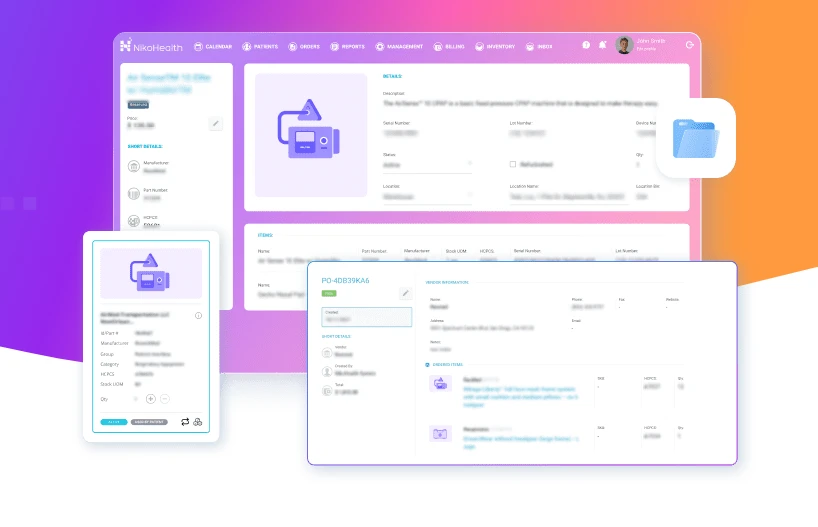
A strong platform should make it easy for patients and physicians to communicate while supporting the clinical workflow.
Important considerations may include:
- Secure patient communication
- High-quality video
- Secure image sharing
- Patient intake forms
- Appointment management
- Electronic medical records integration
- Prescription workflows
- Follow-up communication
- Provider documentation
- Identity verification
- Appropriate privacy and security controls
- Mobile compatibility
- Reliable technical performance
The goal is not simply to create another video-chat application. The platform should support healthcare delivery from beginning to end.
The Role of TrustMyDoc in Telemedicine
Companies such as TrustMyDoc illustrate how digital healthcare platforms can support modern medical workflows.
TrustMyDoc can be considered in the broader context of telemedicine solutions that help physicians and patients communicate remotely. For dermatology, this type of technology can support virtual consultations, patient information collection, and digital communication.
The value of a telemedicine platform is not only the ability to connect two people through video. A useful healthcare platform should help organize the information surrounding the encounter.
For physicians, that may mean having patient information available before the consultation. For patients, it may mean a more convenient way to describe symptoms, communicate with a healthcare professional, and participate in follow-up care.
As telemedicine continues developing, platforms such as TrustMyDoc have an opportunity to make remote healthcare more accessible while maintaining the clinical workflows that healthcare professionals need.
How Patients Can Prepare for a Teledermatology Appointment
Patients can improve the usefulness of a virtual dermatology consultation by preparing in advance.
First, make a short timeline of the problem. Write down when the symptoms began and whether they have become better, worse, or changed in appearance.
Next, prepare a list of relevant products and medications. Include prescription medications, over-the-counter treatments, creams, cosmetics, and skin-care products.
Photographs should be taken in good lighting. It can be helpful to provide both close-up and wider images.
Patients should also avoid heavily editing photographs. The purpose of the image is to show the dermatologist what the skin actually looks like.
During the appointment, describe symptoms clearly. Mention itching, pain, burning, bleeding, swelling, tenderness, or other changes.
Finally, ask questions. Patients should understand what the physician believes may be happening, what treatment is recommended, what improvement should look like, and when an in-person examination might be necessary.
Teledermatology for Healthcare Providers
Teledermatology can also change how dermatologists organize their practices.
Instead of relying exclusively on office appointments, providers can incorporate virtual consultations into their workflow.
For example, teledermatology can be used for:
- Initial patient screening
- Follow-up consultations
- Chronic condition monitoring
- Medication follow-up
- Treatment discussions
- Reviewing photographs
- Patient education
- Specialist consultations
- Triage for in-person appointments
This can potentially help physicians allocate in-person appointments to patients who need physical examinations or procedures.
However, introducing teledermatology requires more than buying software. Practices need appropriate workflows, staff training, documentation procedures, privacy policies, and processes for identifying patients who need in-person care.
The Future of Teledermatology
Teledermatology is likely to become increasingly integrated with conventional healthcare rather than existing as a completely separate system.
One important direction is the combination of virtual appointments with in-person care. A patient might begin with a remote consultation, visit a clinic for a procedure, and then complete follow-up appointments virtually.
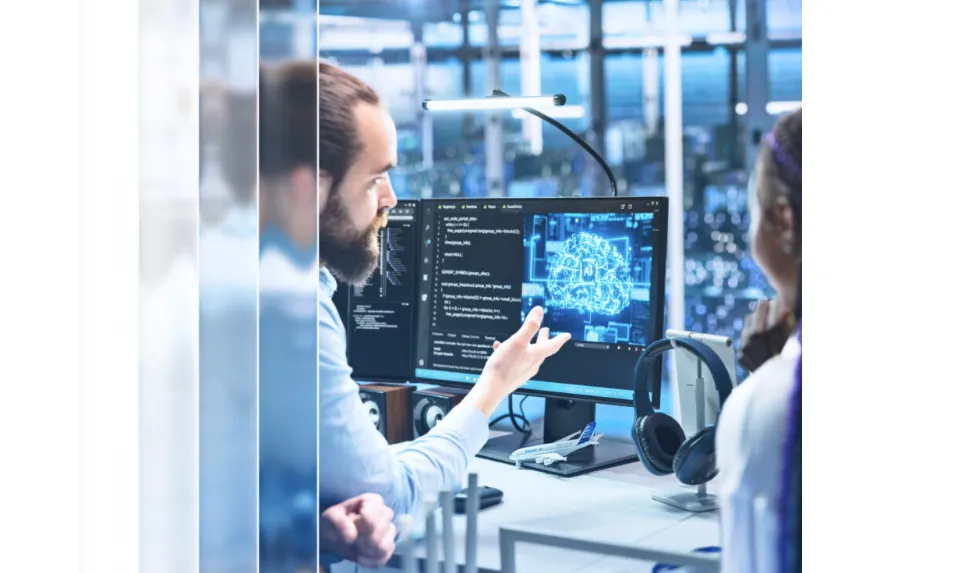
Artificial intelligence may also play a larger role in dermatology technology. AI systems can potentially assist with image analysis, workflow organization, documentation, and patient communication. However, AI should not automatically be treated as a substitute for clinical judgment.
The dermatologist remains responsible for interpreting information in the context of the patient's medical history and overall situation.
Another important trend is better integration between telemedicine platforms and electronic health records. The less time physicians spend transferring information between disconnected systems, the more practical virtual care can become.
Is Teledermatology Right for Everyone?
No.
Teledermatology is a useful option for many patients, but it is not appropriate for every condition or every situation.
A patient with a straightforward, visible skin concern may be a good candidate for remote evaluation. Someone with a suspicious lesion requiring biopsy may need an in-person appointment.
The best approach is often flexible. Telemedicine can provide an accessible first step while preserving traditional clinical care when it is necessary.
Patients should also choose services that clearly explain their process and provide an appropriate pathway to in-person care when remote evaluation is insufficient.
Teledermatology vs. Traditional Dermatology
Traditional dermatology and teledermatology should not necessarily be viewed as competing models.
In-person dermatology provides capabilities that remote care cannot completely reproduce. Physicians can perform physical examinations, use specialized equipment, take biopsies, administer procedures, and evaluate physical characteristics directly.
Teledermatology offers different advantages: convenience, accessibility, remote communication, and potentially faster access to professional advice.
The strongest healthcare model may therefore combine the two.
A patient could use teledermatology for routine follow-up and traditional appointments for procedures. Another patient might start with an online consultation and then be referred to a local specialist.
This hybrid approach allows healthcare providers to use the right format for the right clinical situation.
Frequently Asked Questions About Teledermatology
What is teledermatology in simple terms?
Teledermatology is dermatology care delivered remotely through digital technology. It may involve video consultations, photographs, online questionnaires, secure messaging, or a combination of these methods.
Can a dermatologist diagnose a rash online?
Sometimes. A dermatologist may be able to assess certain rashes through photographs and a virtual consultation. However, some rashes require physical examination, testing, or other diagnostic procedures.
Can teledermatology prescribe medication?
Depending on the patient's condition, provider, and applicable laws, a physician may be able to prescribe medication following a remote consultation.
Do I need a smartphone for teledermatology?
Not always. Requirements vary by provider. Some services support computers, tablets, or other devices.
Is teledermatology as good as an in-person appointment?
It depends on the situation. Remote care can be highly useful for appropriate conditions and follow-ups, but it cannot replace examinations or procedures that require physical presence.
Can teledermatology help with acne?
Yes. Acne is often suitable for remote assessment because much of its presentation is visible. A dermatologist can review photographs, discuss symptoms and previous treatments, and recommend an appropriate plan when remote care is clinically suitable.
Can teledermatology diagnose skin cancer?
A dermatologist may identify a lesion that appears suspicious and recommend further evaluation, but definitive diagnosis of skin cancer may require an in-person examination and biopsy.
Conclusion
So, what is teledermatology? It is the use of digital healthcare technology to provide dermatology services remotely. Through video consultations, photographs, secure messaging, digital intake forms, and other tools, patients can communicate with dermatology professionals without always needing to visit a clinic.
The biggest advantages are convenience, accessibility, easier follow-up, and the possibility of connecting patients with specialists regardless of physical distance. At the same time, teledermatology has clear limitations. Some conditions require hands-on examination, specialized equipment, laboratory testing, or biopsy.
The future of dermatology is therefore unlikely to be entirely virtual. Instead, teledermatology will increasingly work alongside traditional clinical care. Platforms such as TrustMyDoc represent the broader movement toward digital healthcare systems designed to make communication between patients and physicians more efficient.
For patients, the key is knowing when remote care is appropriate and when an in-person examination is necessary. For providers, the challenge is implementing technology without losing the clinical judgment, privacy, and patient-centered care that define quality medicine.
Teledermatology is ultimately not about replacing dermatologists with technology. It is about giving dermatologists better ways to reach patients and giving patients more flexible ways to access professional care.





















Sign in to leave a comment.