What Is the Best Time of Year for Eyelid Surgery in Islamabad?

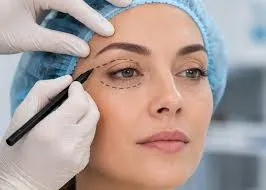
Planning surgery is not only about choosing a surgeon. The season in which you recover also affects how comfortable and smooth your healing will be. If you are thinking about Eyelid surgery in Islamabad, it helps to know how the city’s weather, pollen, and festive calendar interact with recovery. This guide walks through the year, season by season, and explains which months tend to suit healing eyelids best, and which call for extra care.
Why Does the Season Matter for Healing Eyelids?
Healing eyelids are sensitive to sun, heat, dust, and dryness. Fresh incisions can darken if exposed to strong sunlight, sweat can irritate the skin, and dry air can aggravate gritty, tired eyes. Allergies also flare at certain times of year, making you rub your eyes and increasing swelling. None of these factors makes surgery unsafe in any month, but choosing a gentler season can reduce discomfort and make your recovery feel easier.
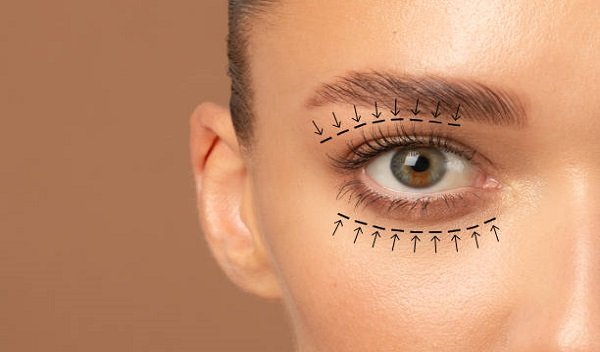
Is Winter a Good Time?
For many patients, winter is one of the most comfortable seasons. Temperatures are mild, so you are less likely to sweat or feel overheated, and the sun is less intense, which helps protect early scars. It is also easy to wear scarves, hats, and sunglasses without drawing attention. The main drawback is dry air, which can irritate the eyes, so lubricating drops and a humidifier may help. Cold, dry days also make it tempting to sit near heaters, which should not blow directly on your face.
What About Spring and Pollen Season?
Spring in Islamabad is beautiful, but it brings a well-known challenge. Heavy pollen in the air during the spring months causes itchy, watery, swollen eyes in many people. This can make recovery uncomfortable, since rubbing the eyes is exactly what you must avoid after surgery. If you are prone to seasonal allergies, it may be wiser to schedule your operation outside the peak pollen weeks, or to speak with your doctor about managing allergy symptoms beforehand.
Here is a general overview of how the seasons compare:
- Winter: mild weather and gentler sun; watch for dry air and heaters
- Spring: pleasant days but high pollen; may suit people without allergies
- Summer: strong sun, heat, and sweat; needs careful sun and dust protection
- Monsoon: humidity and rain; increased risk of damp environments and infections
- Autumn: moderate temperatures and lower pollen; often a comfortable choice
Can You Have Surgery in the Summer?
Yes, but you will need to be more careful. Intense sunlight can darken fresh scars, so sunglasses and a wide-brimmed hat are essential whenever you go outdoors. Heat and sweating can irritate the incisions, so staying in a cool, clean room for the first couple of weeks is helpful. Air conditioning is welcome, but it should not blow directly onto your eyes. If you can arrange to stay indoors during recovery, summer can still work well.
What Should You Know About the Monsoon Months?
Humidity and rain bring their own considerations. Damp environments can raise the risk of skin irritation and bacterial growth, so keeping your bedding, towels, and surroundings clean and dry matters even more. Travel on wet roads and in crowded places may be less comfortable when your vision is blurry. On the positive side, cloud cover reduces direct sun. Many patients manage monsoon recovery perfectly well by staying at home and following hygiene advice closely.
How Do Festivals and Holidays Affect Planning?
Holiday periods can be both helpful and tricky. Time off work around a major holiday gives you free recovery days, but busy family gatherings, travel, and social events may tempt you to do too much, too soon. During Ramadan, fasting can affect hydration and medication timing, so it is best to discuss scheduling with your surgeon. Weddings and large events require at least six to eight weeks of healing, so plan backward from the date.
How Does Your Work and Personal Schedule Fit In?
The best season on paper is not always the best for you. Choose a time when you can take one to two weeks off, have someone to help you at home, and avoid major deadlines or travel. A quiet period at work, school holidays, or a time when relatives are visiting can all make recovery easier. Matching surgery to your life, rather than only to the calendar, usually leads to a calmer experience.
What Is a Sensible Planning Checklist?
A few simple steps can help you choose well:
- Check whether seasonal allergies usually affect you
- Pick a period when you can stay indoors for the first one to two weeks
- Keep six to eight weeks free before any big event
- Avoid scheduling long trips for at least two weeks after surgery
- Prepare sunglasses, hats, and drops suited to the weather
Final Thoughts
There is no single perfect month for eyelid surgery in Islamabad, but winter and autumn are often the most comfortable because the sun is gentler and allergies are lower. Spring pollen, summer heat, and monsoon humidity are all manageable with the right precautions. Choose a season that fits your health and schedule, protect your skin from sun and dust, and follow your surgeon’s aftercare plan closely.







Sign in to leave a comment.