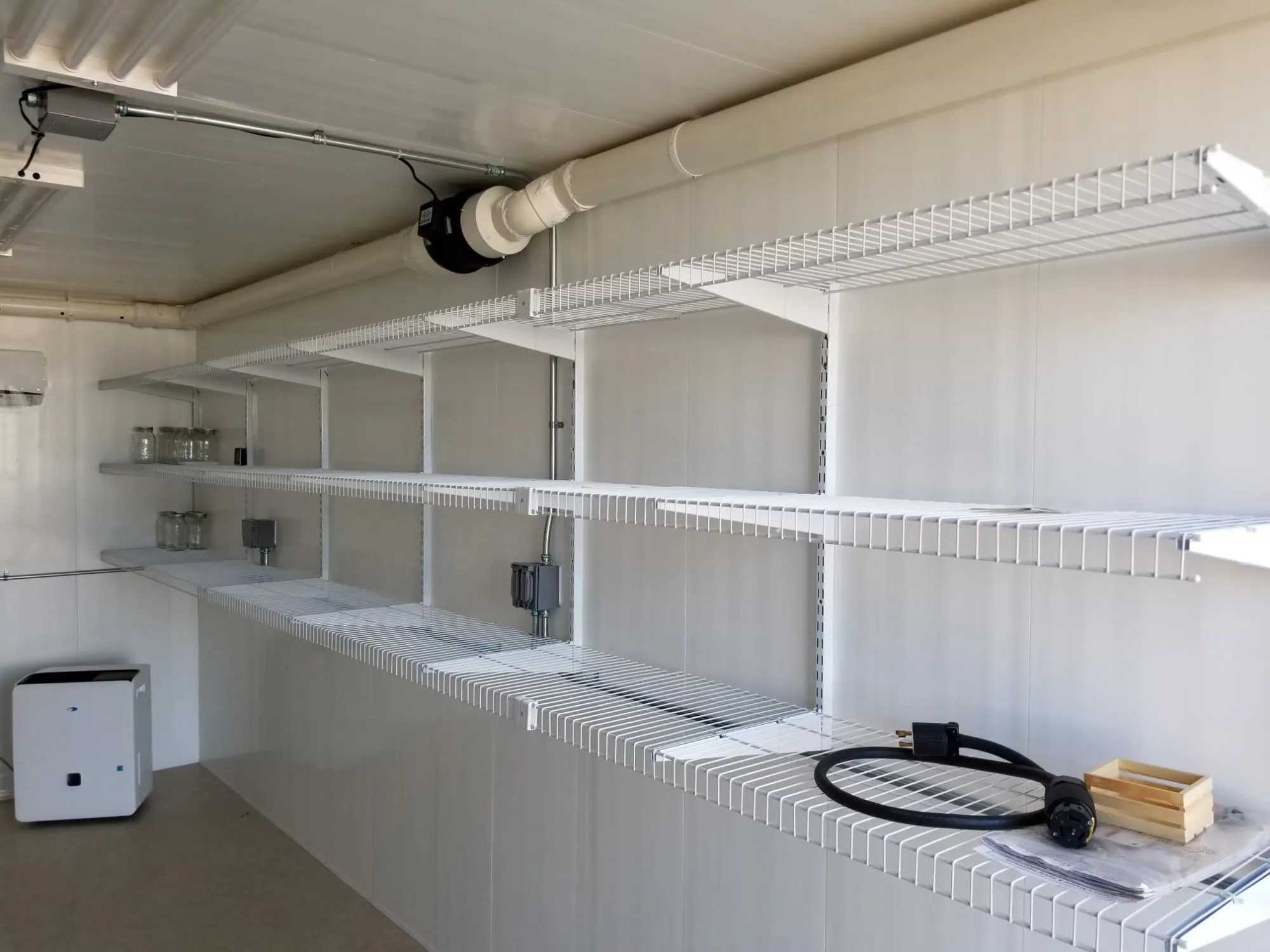

PVC wall panels are the ideal wall material for shipping container interiors. PVC container wall panels ensure moisture resistance, durability, easy cleaning, and low maintenance. Unlike FRP panels and drywall, commercial-grade PVC features a non-porous surface that doesn't absorb moisture, making it well-suited to containers exposed to humidity, condensation, and frequent cleaning.

But how does that choice hold up in an actual container conversion? This case study examines the Gulf Coast Commercial Container Conversion, in which 40-foot steel shipping containers were retrofitted into mobile field offices. The project presented the challenge of controlling moisture within a steel structure in a coastal environment while maintaining a durable, low-maintenance interior.
Case Study: Gulf Coast Commercial Container Conversion
Application: Commercial workspace conversion in a high-humidity climate
Project Scope: Retrofitting 40-foot steel shipping containers into mobile field offices
Primary Environment: Coastal region with high humidity, elevated temperatures, and frequent interior washdowns
Key Challenge: Internal condensation caused by rapid temperature transfer through the steel container shell
The steel containers required an interior wall system that could withstand demanding environmental conditions while requiring minimal upkeep. The project team identified five primary requirements:
- Resisting moisture and humidity
- Withstanding frequent cleaning and washdowns
- Providing a durable interior surface
- Minimizing ongoing maintenance
- Allowing for efficient installation
PVC shipping container wall panels emerged as the right choice for the project because of their practical benefits.
The Challenge: Managing Condensation Inside Steel Containers
Steel containers can heat up and cool down quickly as outdoor conditions change. In a hot, humid coastal climate, this temperature difference can contribute to condensation on interior surfaces. That moisture becomes a concern when it reaches absorbent materials. If moisture becomes trapped behind an absorbent backing material, it can contribute to deterioration, mold growth, rot, or loss of adhesion over time. The objective was therefore to provide a moisture-resistant finished surface while preventing the scope for mold and mildew buildup.
Why Were PVC Wall Panels Selected?
PVC panels feature a non-porous surface that doesn't absorb water like wood-based backing materials. This makes PVC useful where humidity, splashing, and routine washdowns are part of the operating environment.
Cleaning was yet another concern, as field offices need to be cleaned regularly when they are used in demanding industrial or outdoor settings. The smooth PVC surface can be wiped down with a damp cloth and mild detergent. The panels also feature an inner webbed truss design, providing structural reinforcement while keeping the system relatively lightweight.
The Installation: Building a Practical Interior
Before the wall installation began, the steel containers had to be evaluated for leaks, corrosion, and other sources of water intrusion. Addressing these issues was essential.
Once the containers were prepared, the lightweight panels could be measured and fitted to the interior. Their interlocking tongue-and-groove design helped create a consistent, watertight finished surface, while the panels could be directly installed on the walls with studs and fasteners. For mobile field offices, the streamlined approach help reduce installation complexity.
The Result: A More Practical Field-Office Interior
The completed interior provided a durable, washable wall surface suited to the project's high-humidity operating environment. Routine dirt and surface contamination were addressed through regular washdowns, and FDA compliance and Class 1 fire resistance ensured hygiene and safety inside.
Upgrade Your Shipping Container With Duramax PVC Panels
The Gulf Coast case shows that a successful container retrofit requires a durable, long-lasting, and easy-to-clean interior wall covering. Duramax PVC shipping container ceiling panels tick all the boxes, and their rigidity enables them to withstand attic insulation loads. If you're converting shipping containers into mobile offices, workspaces, storage areas, or commercial facilities, explore Duramax PVC panels and request a free sample for your project today.
























Sign in to leave a comment.