

The Roopkund Trek Best Time is an important factor to consider when planning an adventure in the high-altitude Himalayan region of Uttarakhand. Known for its mysterious Skeleton Lake, beautiful alpine meadows, snow-covered mountains, and dramatic landscapes, Roopkund has traditionally been one of the most fascinating trekking destinations in the Indian Himalayas.
Because the trek reaches a very high altitude, weather conditions can change quickly. Snowfall, rainfall, freezing temperatures, strong winds, and poor visibility can make the trail challenging. Choosing a suitable season is therefore essential for a safer and more enjoyable experience.
Why Does the Roopkund Trek Best Time Matter?
Roopkund experiences major seasonal changes throughout the year. During winter, heavy snow covers the higher mountain areas. Spring gradually brings warmer conditions, while summer can offer greener landscapes and more accessible lower sections. The monsoon brings rainfall, and autumn often provides clearer mountain views.
The right season can make the journey more comfortable while allowing trekkers to enjoy the scenery around the traditional Roopkund trekking region.
It is important to note that access to Roopkund and surrounding protected areas can be restricted. Travelers should check current regulations, permissions, and route conditions before making plans.
Spring and Early Summer
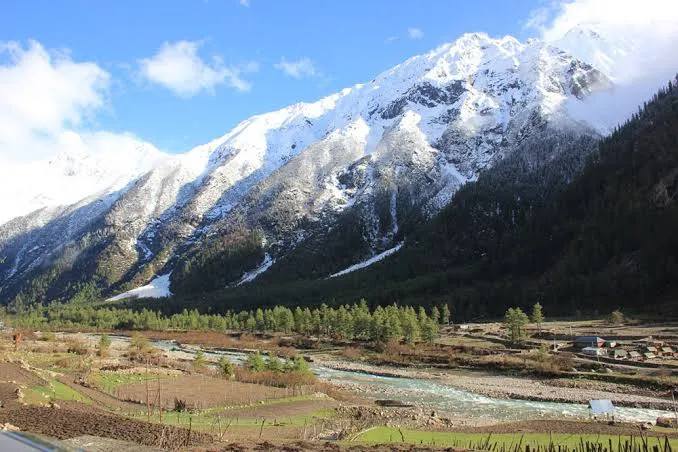
Spring and early summer are associated with the gradual melting of snow in the lower and middle sections of the Himalayan trail. The landscape begins to change as vegetation becomes greener and mountain meadows emerge from winter.
Higher sections can still have snow, so trekkers should be prepared for cold temperatures and difficult terrain. This period can be attractive for those who enjoy a mixture of snowy landscapes and fresh mountain scenery.
Summer Season
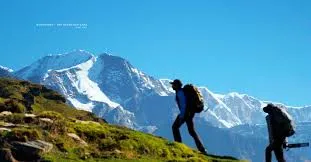
Summer has traditionally been considered a favorable period for trekking in many parts of the Uttarakhand Himalayas. During this time, daytime conditions at lower elevations can be relatively comfortable.
The alpine meadows associated with the traditional Roopkund route can become especially scenic, with green landscapes surrounded by impressive mountain peaks. Photographers and nature lovers can enjoy spectacular views as the weather permits.
However, temperatures at high elevations can remain extremely cold, especially at night. Proper trekking equipment and warm clothing are essential.
Monsoon Season
The monsoon season brings substantial rainfall to Uttarakhand. Mountain roads can become difficult, and trails may be muddy or slippery. Heavy rainfall can also affect visibility and transportation.
Although the rain can make the surrounding valleys and forests lush and green, unpredictable weather can create additional challenges for trekkers.
Anyone considering travel during this period should carefully check current weather forecasts, road conditions, and local advisories.
Autumn Season
Autumn can bring clearer skies and impressive views of the Himalayan peaks after the monsoon. The landscape can appear particularly dramatic, with crisp mountain air and expansive views.
Temperatures begin to fall at higher elevations, especially during the early morning and nighttime. Warm layers, gloves, and suitable trekking equipment become increasingly important.
Winter Season
Winter brings heavy snowfall and freezing conditions to the high-altitude areas around Roopkund. Snow can cover sections of the traditional route, making navigation and trekking considerably more difficult.
For a typical recreational trek, winter is generally not considered a suitable season. Any high-altitude winter expedition requires specialized equipment, experience, and careful planning.
So, What Is the Best Time for Roopkund Trek?
Traditionally, the warmer months and suitable post-monsoon periods have been considered more favorable for exploring the Roopkund region. However, there is no guaranteed ideal period every year.
Snowfall, weather patterns, trail conditions, and local regulations can change from season to season. Therefore, the Roopkund Trek Best Time should be determined after checking the latest information about accessibility and permissions.
Important Things to Check Before Your Trip
Before planning your journey, consider the following:
- Confirm whether the intended route is currently accessible.
- Check the latest local and government regulations.
- Review recent weather and snowfall conditions.
- Check road conditions leading to the trekking region.
- Prepare for sudden weather changes.
- Carry appropriate high-altitude trekking equipment.
- Allow adequate time for acclimatization.
- Consider hiring experienced local trekking support where permitted.
- Follow responsible trekking and waste-management practices.
What Should You Pack?
A well-planned backpack is essential for high-altitude trekking. Depending on the permitted itinerary and season, useful items include sturdy trekking shoes, thermal layers, a waterproof jacket, gloves, a warm cap, sunglasses, sunscreen, a first-aid kit, personal medicines, water bottles, and suitable camping equipment.
Avoid carrying unnecessary weight, but make sure you have adequate protection against cold, rain, and changing mountain weather.
Final Thoughts
The Roopkund Trek Best Time depends on several factors, including weather, snowfall, trail accessibility, and current regulations. Traditionally, the warmer trekking months and suitable autumn conditions have been attractive for exploring the landscapes associated with Roopkund.
However, conditions in the Himalayas can change quickly. Always verify current access rules and local weather conditions before beginning your journey. With careful preparation, responsible trekking practices, and respect for the mountain environment, the Roopkund region can provide a memorable Himalayan experience.


























Sign in to leave a comment.