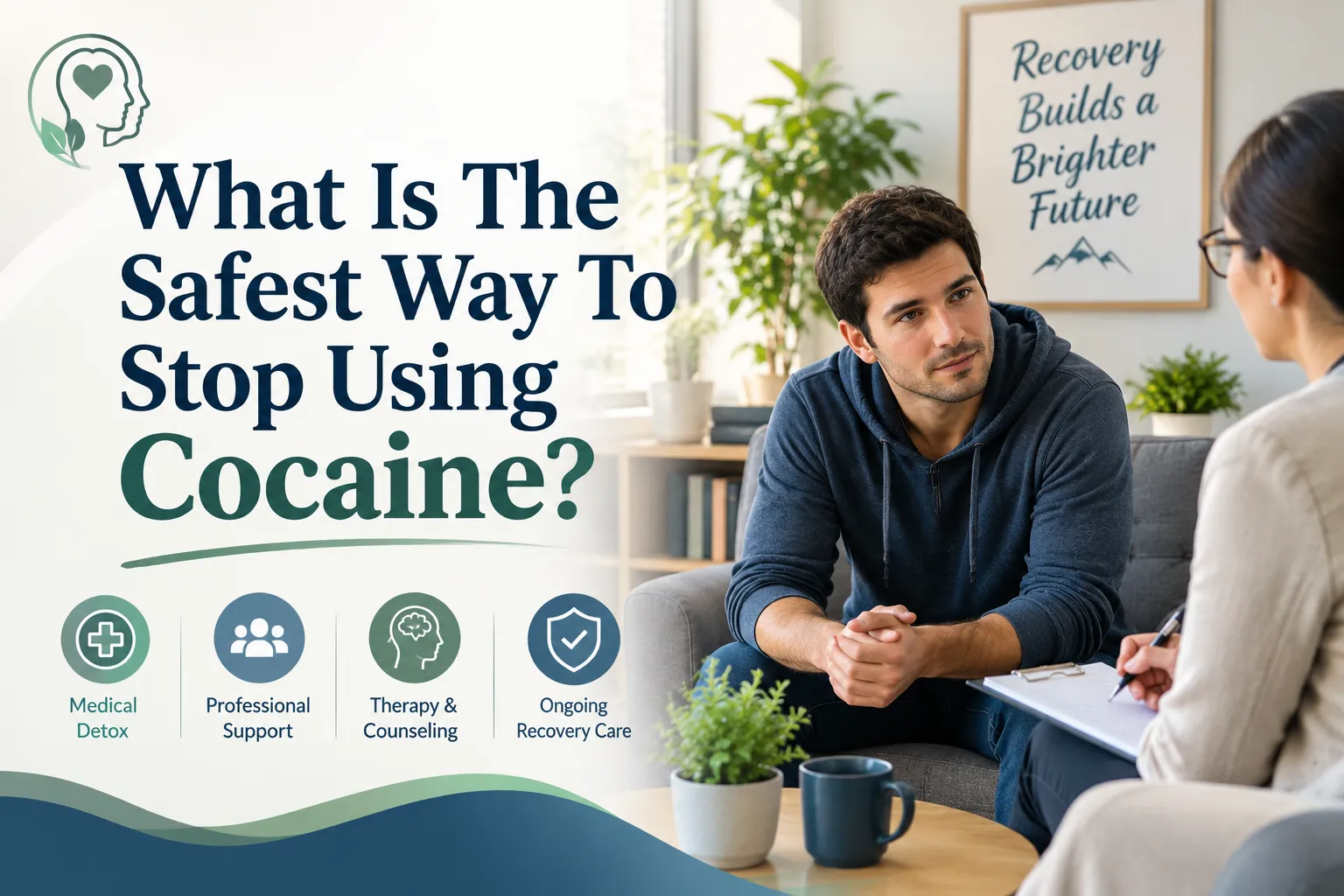

Cocaine leaves the bloodstream relatively quickly, but that does not mean the body has fully recovered from its effects. For someone concerned about how to get cocaine out of your system, the priority should not be finding a quick cleansing method.
Cocaine is metabolized naturally, primarily into benzoylecgonine, a metabolite that can remain detectable after the drug’s immediate effects have worn off. While individuals might look for methods to remove cocaine out of your system, there is no reliable home remedy that can safely accelerate this process.
More importantly, repeated cocaine use can affect sleep, mood, appetite, cardiovascular health, and overall mental well being. Understanding cocaine metabolism, withdrawal, and appropriate treatment offers a safer path toward recovery.
How Does The Body Process Cocaine After Use?
Cocaine is rapidly metabolized by the body, with benzoylecgonine being its primary metabolite. Urine drug tests commonly look for this metabolite rather than cocaine itself.
Benzoylecgonine can generally be detected in urine for around two to three days after a single dose, although detection can vary depending on the test and individual circumstances. Heavy or repeated use can result in a longer detection window.
This means attempting to “clean” the body overnight is unrealistic. Normal metabolism, liver and kidney function, and time are the main factors involved in eliminating cocaine and its metabolites.
Can Water Or Detox Drinks Remove Cocaine Faster?
Drinking reasonable amounts of water supports normal hydration, but it does not rapidly eliminate cocaine from the body. The same applies to detox beverages, herbal products, excessive sweating, or strenuous exercise. These methods cannot reliably change the natural metabolism of cocaine or guarantee a negative drug test.
Anyone researching how to flush cocaine out of your system should also understand the difference between eliminating a drug and recovering from its effects. Even after cocaine has largely left the bloodstream, withdrawal symptoms and cravings may continue.
What Symptoms Can Occur During Cocaine Withdrawal?
Cocaine withdrawal is often more psychological than physically dangerous, but that does not make it easy. After stopping cocaine, an individual might experience fatigue, increased appetite, sleep changes, irritability, anxiety, difficulty concentrating, depressed mood, and strong cravings.
Withdrawal can be particularly difficult after frequent or heavy use. A person may feel exhausted and emotionally low after the stimulation associated with cocaine disappears. Clinical guidance recommends assessing stimulant withdrawal alongside psychiatric symptoms, medical conditions, and the person's overall substance use pattern.
Severe depression or suicidal thoughts require immediate professional attention rather than attempting detox
What Can Support Recovery During Cocaine Detox?
There is no specific detox medication that instantly removes cocaine. Instead, early recovery generally focuses on safety, hydration, nutrition, rest, monitoring, and preparing for ongoing addiction treatment.
Helpful recovery steps can include:
- Getting adequate sleep and allowing the body to recover
- Eating regular, nutritious meals
- Staying normally hydrated without excessive water consumption
- Avoiding cocaine and other substances that may increase complications
- Removing easy access to cocaine and known triggers
- Seeking professional help when cravings or withdrawal become difficult
- Continuing treatment beyond the initial detox period
Which Treatments Are Effective For Cocaine Addiction?
Cocaine addiction treatment usually centers on behavioral therapies because there is currently no FDA approved medication specifically for cocaine use disorder.
The ASAM and AAAP stimulant use disorder guideline identifies contingency management as an important treatment approach and also supports therapies such as cognitive behavioral therapy, community reinforcement, and the Matrix Model.
Cognitive behavioral therapy can help people identify triggers, challenge unhealthy thought patterns, and develop strategies for managing cravings. Contingency management reinforces recovery behaviors and has demonstrated value in stimulant use disorder treatment.
For people with anxiety, depression, trauma, or another substance use disorder, treating these concerns at the same time can also improve the overall recovery plan.
How Can Someone Reduce The Risk of Cocaine Relapse?
Removing cocaine is only one part of recovery. Relapse prevention requires attention to the situations and emotional states that encourage drug use.
Treatment involves identifying personal triggers, changing routines associated with cocaine, developing healthier responses to stress, attending therapy, and building a dependable support network. Continuing care is especially important because cravings can return after the initial withdrawal period.
The objective is not simply to pass a drug test or get through several days without cocaine. Long term recovery means developing the skills and support needed to remain free from cocaine and manage future triggers without returning to substance use.
What Should You Know Before Trying To Detox From Cocaine?
Cocaine generally leaves the body through natural metabolism rather than through a special cleansing method. Trying to accelerate this process with excessive water, supplements, or other home remedies is unreliable and can sometimes create additional health risks.
More importantly, cocaine withdrawal and cocaine addiction are separate issues. A person may no longer feel the immediate effects of cocaine while still dealing with cravings, mood changes, disrupted sleep, and relapse risk.
For anyone struggling to stop using cocaine, professional addiction treatment can provide a safer path than repeatedly attempting detox alone. Current clinical guidance emphasizes behavioral treatment, ongoing support, and individualized care rather than a quick “flush” approach.
Conclusion
Cocaine does not need a special drink or cleansing product to leave the body. It is naturally metabolized, primarily into benzoylecgonine, which may remain detectable for several days or longer depending on use patterns and testing methods.
Trying to speed up this process with excessive water, supplements, or unproven detox techniques is unreliable. The bigger concern is what happens after the drug leaves the body. Withdrawal symptoms, cravings, depression, and relapse can continue and require appropriate support.
Professional addiction treatment can address these challenges through behavioral therapies, recovery planning, and ongoing care. For lasting recovery, the goal should be freedom from cocaine, not simply faster elimination.
FAQs
1. Can Drinking More Water Make Cocaine Leave The Body Faster?
No. Normal hydration supports general health, but drinking excessive amounts of water does not reliably accelerate cocaine metabolism or guarantee a negative drug test.
2. Is Cocaine Withdrawal Dangerous?
Withdrawal is often managed through supportive care, but serious psychological symptoms can occur. Severe depression, suicidal thoughts, extreme agitation, or other concerning symptoms should receive prompt medical attention.
3. Is There Medication That Cures Cocaine Addiction?
There is currently no FDA approved medication specifically for cocaine use disorder. Behavioral approaches such as contingency management and cognitive behavioral therapy are important components of treatment.
4. What Is The Best Way To Recover From Cocaine Addiction?
The most appropriate treatment depends on the individual. A structured plan may include behavioral therapy, relapse prevention, peer or family support, and treatment for co-occurring mental health or substance use conditions.
5. Can Cocaine Withdrawal Be Treated At Home?
Some mild symptoms may be manageable with support, but professional care is recommended when withdrawal involves severe depression, suicidal thoughts, or intense cravings.
























Sign in to leave a comment.