What Maintenance Issues Occur With Rented Water Treatment Equipment?


Early Warning Signs Prevent Downtime
Rented treatment systems operate under changing flow rates and contaminant loads. These variations can trigger pressure loss, unstable output quality, vibration or alarms. Readings for pressure, flow, conductivity, turbidity and chemical use reveal developing faults before production stops. An operating log helps providers distinguish equipment failure from feed water changes and misuse.
Filters and Membranes Need Attention
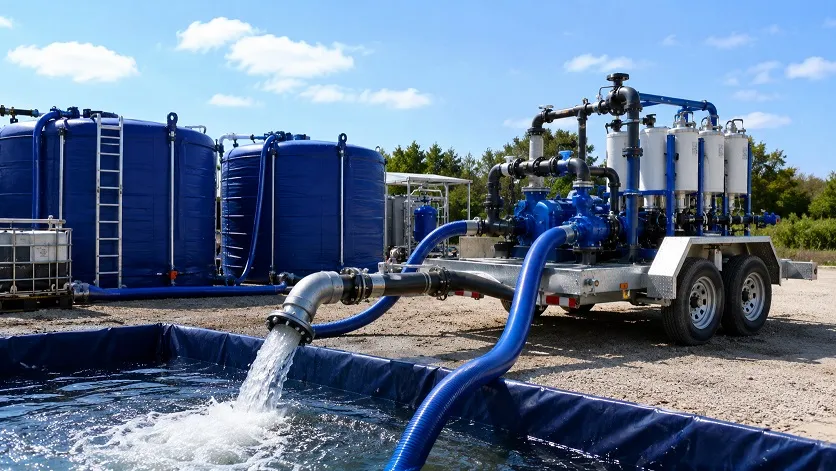
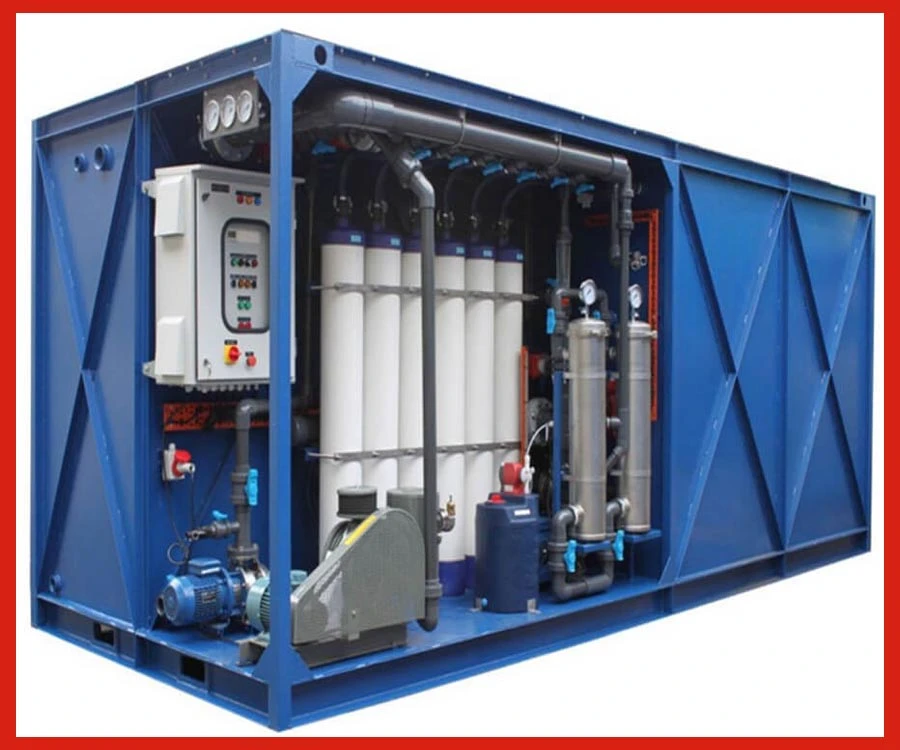
Clogged cartridge filters, fouled membranes and exhausted media are the most frequent maintenance concerns. Suspended solids increase differential pressure, while hardness, iron, silica, oils and biological growth reduce membrane performance. Any project planning to rent water treatment plant capacity should confirm replacement intervals, cleaning limits, spare-filter availability and acceptable pressure ranges. Pre-treatment checks and gradual start-up procedures reduce sudden loading and protect downstream components.
Pumps Valves and Seals Deteriorate
Pumps may lose prime, cavitate, overheat, leak or deliver irregular pressure. Valve actuators can stick, hoses may loosen and seals can deteriorate after repeated transport or chemical exposure. Operators should inspect connections, listen for abnormal noise, check lubrication requirements and verify that isolation valves move freely. Leaks require prompt reporting because water intrusion can damage motors, electrical panels, flooring and nearby equipment.
Sensors Controls Require Regular Verification
Portable systems depend on conductivity probes, pH sensors, flow meters, level switches and automated dosing controls. Dirty probes or poor calibration can produce misleading readings and incorrect chemical dosing. Routine cleaning, calibration checks, alarm tests and controller inspections maintain reliable operation. Remote monitoring helps identify unusual trends, but inspection remains necessary for loose wiring, condensation, damaged cables or blocked sampling lines.
Scale and Biofouling Complicate Operations
Mineral scale, biofilm and chemical imbalance can restrict flow and weaken treatment results. Incorrect anticipant concentration depleted disinfectant, unsuitable cleaning chemicals or empty dosing tanks may create rapid performance decline. Storage areas need ventilation, secondary containment, clear labels and compatible materials. Feed water testing should continue throughout the rental because changing water chemistry can alter cleaning frequency and consumable demand.
Planned Support Keeps Treatment Reliable
Before signing an agreement to Rent water treatment plant equipment, responsibilities for preventive maintenance, emergency repairs, consumables, monitoring and callout charges should be documented. Site personnel need operating limits, shutdown instructions, escalation contacts and basic troubleshooting training. A stock of filters, seals, reagents and critical fittings shortens recovery time. Scheduled service visits and accurate records support stable water quality, predictable costs, safer operation and fewer interruptions.
Author Resource:-
Lee Wood writes about sustainable and scalable water and wastewater treatment solutions. Get reliable emergency water treatment systems-Visit our website to find out more and ensure your water safety!






Sign in to leave a comment.