


You know the feeling. Someone walks past and the air changes. It is not loud. It is not sharp. It simply smells like money, care and time.
Then you try a “luxury” bottle yourself and it smells flat after twenty minutes.
So, what is the difference? After years of working with fragrance, here is what we have learned: expensive is not a note, and it is not a price tag. It is a set of choices. This guide walks you through them, so you can judge any bottle, ours included, with your own nose.
So, What Makes a Perfume Smell Expensive?
A perfume smells expensive when it combines well sourced ingredients, a balanced composition, enough time to blend properly, and a smooth journey from first spray to final dry down. Price and packaging can reflect this, but they do not create it. Quality is something you can smell.
That is the short answer. Here is the long one.
1. Ingredient Quality: Purity Matters More Than Rarity
Everyone loves to talk about rare ingredients, and some are truly costly. Orris (iris root butter) takes years of aging before it can be used. Jasmine absolute needs enormous quantities of flowers picked by hand. Natural ambergris and good sandalwood are scarce. These ingredients bring a depth that is very hard to fake.
But here is the honest part most blogs skip. Expensive does not always mean natural, and natural does not always mean better. Modern perfumery uses synthetic aroma molecules on purpose. Some of them give clean woods, radiant musk’s and a long-lasting amber glow that nature cannot deliver steadily. A well-made perfume uses both, and uses them with skill.
What you are really smelling is purity and control. Cheaper formulas tend to smell thin, harsh or “chemical” because the raw materials are rougher or because the blend leans on a few loud shortcuts.
What to look for: Citrus that smells like fresh peel, not cleaning spray. Florals that smell like petals, not air freshener. Woods that feel creamy, not dusty.
2. Balance: Nothing Shouts, Everything Fits
Walk into a great restaurant and no single flavour dominates the plate. Fragrance works the same way.
A luxury quality perfume feels composed. The top, heart and base are in conversation. Sweetness is held in check by woods or musk. Freshness has a warm floor under it. Nothing sticks out.
Compare that with a fragrance built on one big idea, like pure sugar or pure fresh, that smells exciting for ten minutes and then repeats itself. Complexity is not about having a hundred notes. It is about the notes you have agreeing with one another.
3. Maceration: The Step Most Brands Rush
When perfume oils and alcohol are first mixed, they are not yet a finished fragrance. The alcohol smells sharp, and the oils and alcohol have not settled together. Perfumers let the blend rest, which is called maceration, so it can mellow, bond and become smoother.
Industry timelines vary, and many fragrances rest for only a short period before bottling. At DE WOUD, we let every batch rest for 300 days, because in our experience time does something money alone cannot. You can read more on our maceration page.
What does aging change when you smell it?
- The opening feels rounder, with less alcohol bite
- The scent blends instead of splitting into separate layers
- It tends to feel steadier on skin as hours pass
This is also why concentration alone does not tell the whole story.
4. Concentration: Useful, But Not the Full Picture
You will see these labels on bottles:
| Type | Typical oil concentration |
|---|---|
| Eau de Toilette (EDT) | about 5 to 15% |
| Eau de Parfum (EDP) | about 15 to 20% |
| Parfum / Extrait | about 20 to 30% |
More oil can mean more strength. It does not automatically mean more quality. A heavily concentrated formula made with rough materials and no rest can smell harsh and loud. A well balanced, well-aged blend at a lower concentration can feel richer and last well.
That is the idea behind our own EDTs, which are built around time as much as oil. We would rather you test the claim than take our word for it, which is exactly why we offer Discovery Sets.
5. The Journey: Top, Heart and Base Notes
Here is the simplest way to judge quality at home. Great perfume does not stay still.
- Top notes (first 15 minutes): The first impression, usually citrus, fruit or herbs. Bright and quick.
- Heart notes (15 minutes to a few hours): The character. Florals, spices and soft resins live here.
- Base notes (hours later): The memory. Woods, vanilla, amber and musk are what stay on skin and clothes.
An expensive smelling perfume moves from one stage to the next smoothly, with no awkward gap. The dry down, the final stage, is often the best part. If a perfume smells wonderful at the start and falls apart or turns sour later, that is a quality signal too.
To see this in practice, look at the structure of our three scents:
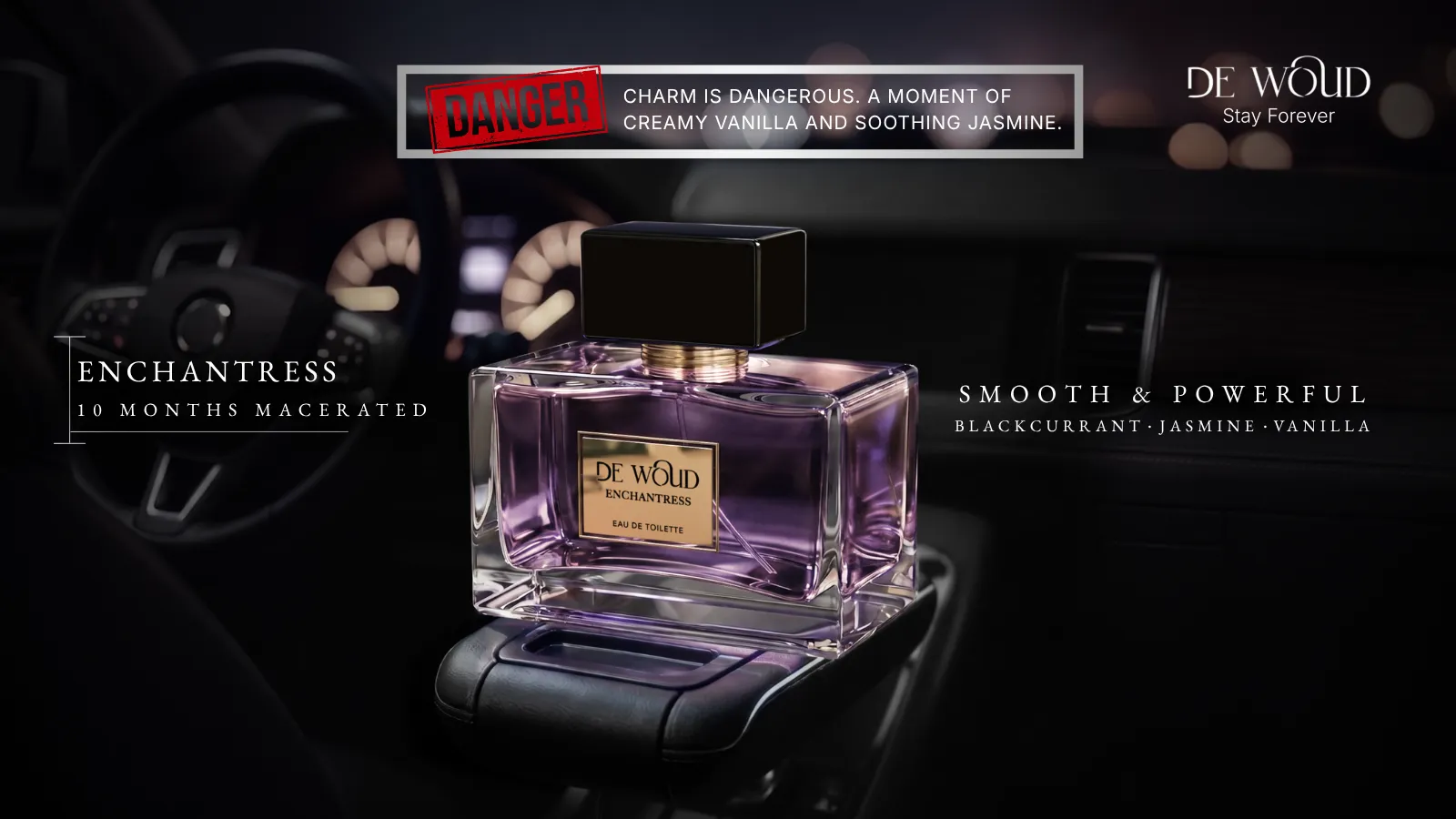
- Enchantress: Mandarin and orange up top, orange blossom and jasmine in the heart, vanilla, cedar and musk underneath. Meet Enchantress
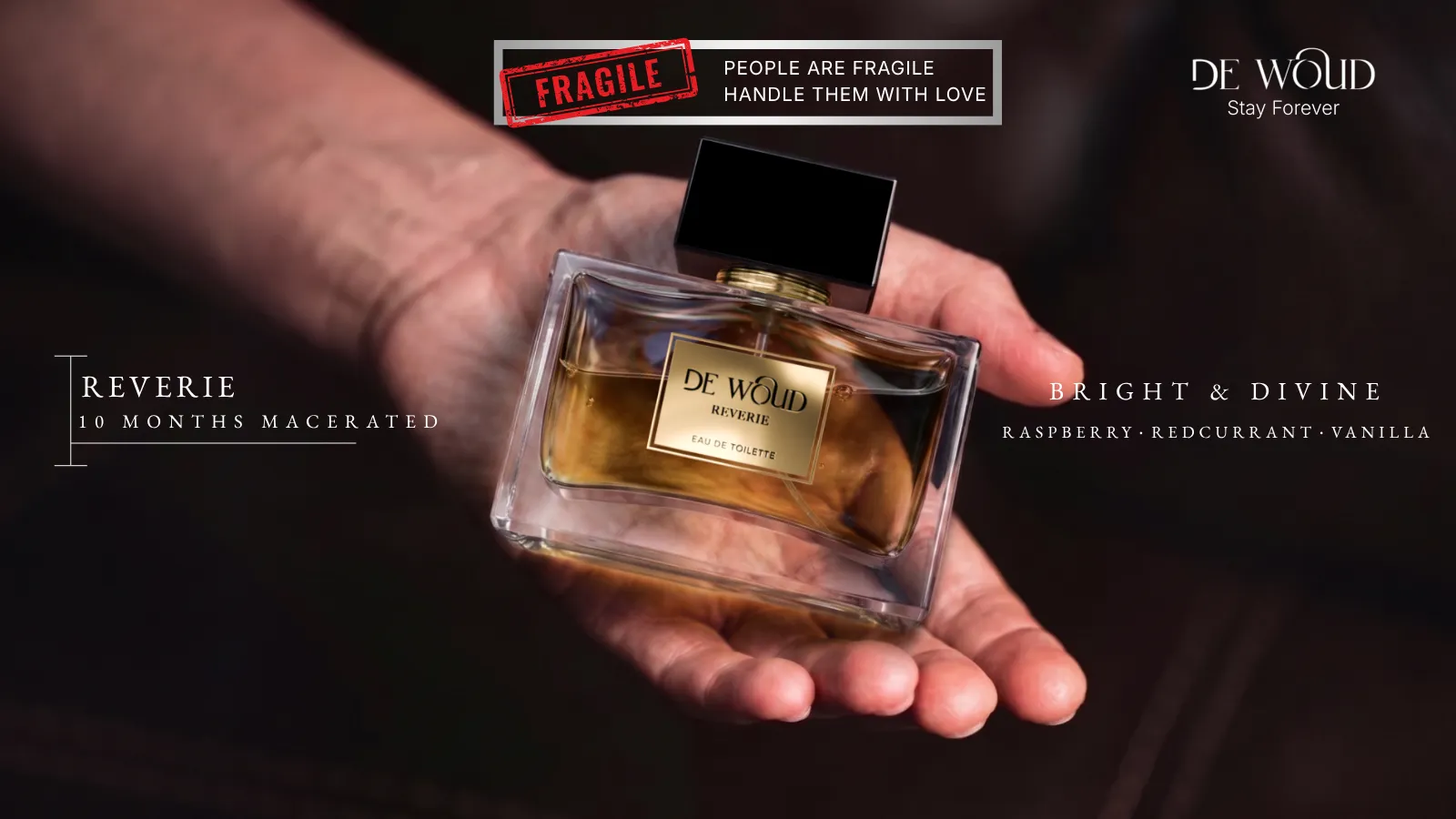
- Reverie: Apricot, peach and raspberry, then rose, freesia and jasmine, settling into vanilla and sandalwood. Meet Reverie
- Witch’s Mix: Citrus, jasmine and sage, then saffron and amber, with ambergris, fir resin and cedar at the base. Meet Witch’s Mix
6. Sillage and Longevity: Presence Without Pushiness
Two words worth knowing. Longevity is how long a perfume stays on you. Sillage (pronounced “see yah”) is the trail it leaves in the air.
Luxury does not mean the strongest sillage. A luxury perfume should be noticed by people close to you, not announced across the room. Think of it as quiet confidence rather than volume. Longevity, on the other hand, should be dependable. A perfume that is gone in two hours is not premium, whatever the price.
7. Craft, Small Batches and the Perfumer’s Hand
Mass production aims for sameness at lowest cost. Small batch work lets the maker adjust, wait and reject. That attention shows in the smell. It is also why niche perfume, meaning fragrance from independent houses that put the scent first and chase trends less, has grown so much among Indian buyers who are collecting scents the way others collect watches.
8. Packaging, Brand and Marketing: The Honest Part
Let us be straight. A heavy glass bottle, celebrity campaigns and a shop in a prime mall all add to a retail price. They add very little to what comes out of the nozzle.
Some famous, expensive perfumes are excellent. Some are mostly marketing. And some quietly affordable perfumes are beautifully made. Price is a clue, never a verdict. The only reliable judge is how the perfume behaves on your skin over a full day.
How to Tell If a Perfume Is High Quality: A 5 Step Test
- Smell it on skin, not just on paper. Your skin chemistry changes everything.
- Wait 15 minutes. The alcohol will fade and the real opening shows up.
- Check at the 2-hour mark. Does the heart feel smooth and balanced?
- Check at 6 hours. Is there still a pleasant dry down on skin?
- Smell your clothes the next day. Good base notes linger on fabric.
If a perfume passes all five, it deserves the word premium, whatever it costs.
Luxury vs Ordinary Fragrance: Quick Comparison
| What you notice | Luxury quality | Ordinary |
|---|---|---|
| Opening | Smooth, rounded | Sharp, alcoholic |
| Development | Evolves in clear stages | Stays flat or collapses |
| Balance | Notes blend together | One note dominates |
| Dry down | Warm, skin close, pleasant | Faint, sour or gone |
| Longevity | Steady across hours | Fades quickly |
| Sillage | Present but refined | Loud then absent |
What Smells Expensive in India’s Weather?
This is the part international guides never mention. India’s heat and humidity change how perfume behaves. Warm skin pushes top notes out fast and can make sugary or heavy scents feel cloying by afternoon. Air conditioning can mute weaker formulas, while ceiling fans scatter projection.
So, the best luxury perfume in India is one that is stable in heat, smooth on opening, and balanced enough not to turn sticky. When you test, test it outdoors or in real conditions, not only in a cool store.
Are Expensive Perfumes Worth It?
Sometimes. If a higher price buys better materials, careful composition and proper aging, yes. If it mainly buys a famous name and a heavy bottle, not necessarily. Smell first, judge by the five step test above, and let the performance decide.
How to Buy Luxury Perfume Without Regret
Buying a full bottle blind is how people end up with expensive mistakes. A better path:
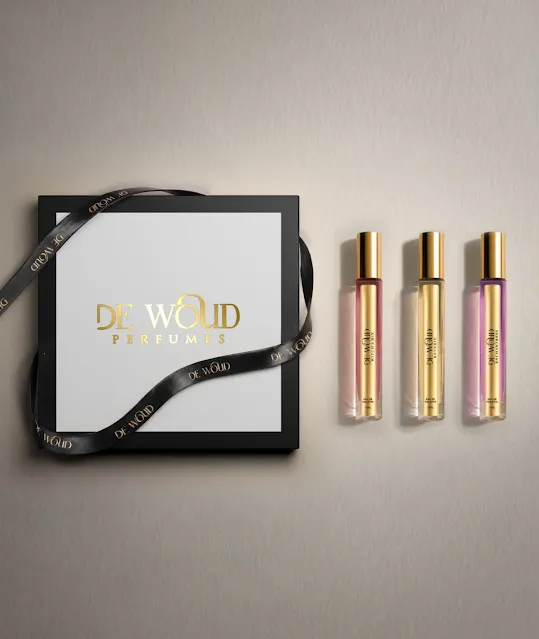
- Try before you commit. Our Discovery Sets include all three fragrances, so you can wear each for a full day.
- When you find your favourite, move to a full bottle. Your Discovery Set unlocks a ₹500 upgrade privilege.
- Want something nobody else wears? Try layering two fragrances to create a third.
- Shopping for someone else? Explore our gifting collection.
You can browse everything in our luxury perfume collection.
Frequently Asked Questions
What makes a perfume smell expensive?
Good ingredients, a balanced composition, enough rest time to blend, and a smooth progression from opening to dry down. Price and packaging only reflect these when the brand is honest.
Do expensive perfumes last longer?
Not automatically. Longevity depends on the materials, the base notes, concentration and how well the blend has matured. A thoughtfully made lower priced perfume can outlast a poorly made expensive one.
Are natural ingredients better than synthetic ones?
Neither is better by default. Natural materials add depth and complexity, while synthetic molecules add stability, cleanliness and consistency. Great perfumers use both.
Is EDP always better than EDT?
No. EDP contains more oil, but quality depends on balance, ingredients and aging as well. Always judge on skin over several hours.
What is niche perfume?
Fragrance from smaller or independent houses, usually produced in limited batches, with more focus on creative freedom than mass appeal.
What is the most expensive perfume ingredient?
It varies, but natural ambergris, orris butter, high grade oud and certain jasmine and rose absolutes are among the costliest.
How do I make perfume last longer in hot weather?
Apply to moisturised skin, spray on pulse points and clothes, and choose a formula with a strong base of woods, amber or musk.
Final Thoughts
A perfume smells expensive when it was made with patience: good materials, a balanced structure and time to settle. You do not need to take a brand’s word for it. Take a few hours, a clean wrist and an honest nose.
Ready to test it yourself? Start with a DE WOUD Discovery Set and judge quality on your own skin.

















Sign in to leave a comment.