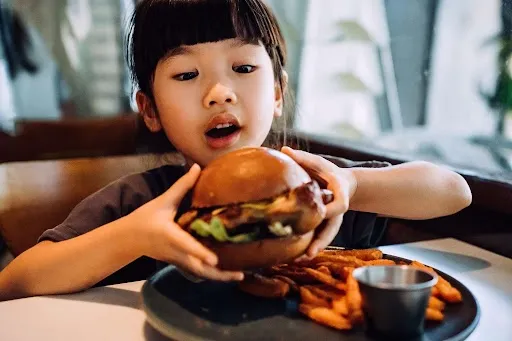

There's a particular look on a parent's face when a host actually seems glad to see the stroller. Relief, mostly. A little surprise too, because it happens less often than it should. That reaction says more about a kid-friendly restaurant than any laminated menu with cartoon characters on it ever could. The real markers of family-friendliness are quieter than people expect, and honestly, most restaurants get them wrong without even realizing it.
The Kids' Menu Isn't the Whole Story
Everyone assumes a good kids' menu equals a good family spot. Not quite. The actual test happens earlier — at the door, in the first ninety seconds. Is the high chair wiped down or just visibly damp with someone else's dinner? Does the host reach for a booster before being asked? These small, almost invisible gestures tell parents whether they're an afterthought or an actual consideration. Restaurants rarely advertise this stuff, which is exactly why it's worth paying attention to.
Noise Tolerance Says More Than People Think
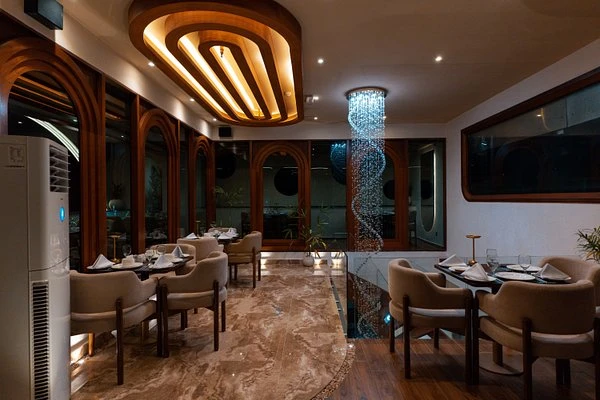
A dimly lit, whisper-quiet dining room and a cranky toddler don't mix well. Ever sat in a restaurant where every clatter of a fork feels like a crime? Places that quietly resent a bit of noise — hovering staff, tight-lipped stares — aren't really built for families no matter what their marketing says. The better ones lean into some ambient chaos on purpose. Background music, an open floor plan that swallows sound instead of bouncing it around. Small architectural decision. Bigger impact than it should have.
Real Food Beats Beige Food
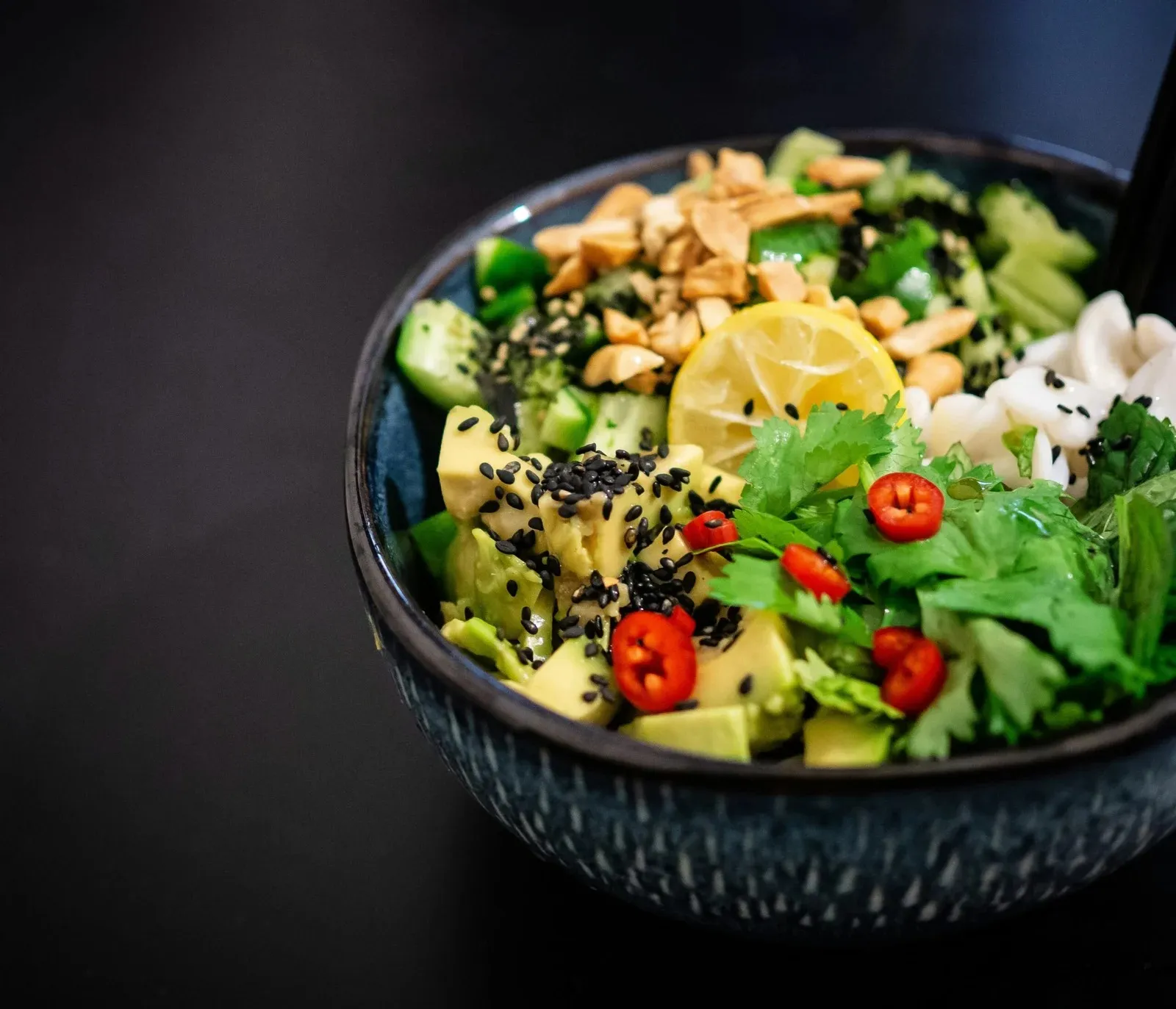
Chicken tenders. Again. And again. Ever notice how nearly identical every children's menu looks, like they were all printed from one 1997 template somewhere in Ohio? A restaurant that puts in a little effort offers smaller portions of the same fresh ingredients adults are eating — maybe a build-your-own option, something with actual color on the plate. This isn't just about taste. Kids exposed to varied, less processed food early on tend to develop broader palates later. Small menu choice, quietly meaningful outcome.
Staff Attitude Is the Real Differentiator
Training only goes so far. What actually shows is culture — a server who crouches down to ask a five-year-old about their day, who doesn't sigh when a cup tips over. Crayons appearing before anyone asks for them. A comment about the kid's dinosaur shirt. None of that is scripted. It comes from hiring people who don't view families as an inconvenience wedged between "real" tables. That attitude, multiplied across a dozen small interactions, is what parents actually remember afterward.
Flexibility With Time Matters More Than Menus
Rigid reservation windows are brutal for families with small kids. Toddlers eat on unpredictable schedules — sometimes fast, sometimes glacially slow, occasionally not at all. Restaurants comfortable with a little slack, that don't hover with the check the moment the last bite disappears, tend to build loyal repeat customers without even trying. It's not generosity exactly. It's just acknowledging that family dining runs on a different clock, and fighting that clock helps nobody.
Space Design Nobody Talks About
Narrow aisles, breakable décor at exactly toddler-grabbing height, bathrooms with zero changing station — these aren't small oversights. They're structural tells about who a place was actually built for. Genuinely welcoming restaurants tend to have wider walkways, sturdier furniture that survives an accidental kick, restrooms equipped for real diaper changes instead of a counter improvisation involving napkins. This part of the conversation gets skipped constantly. Probably shouldn't be.
Entertainment, But Not Too Much
A stack of crayons and a paper placemat solves more problems than people give it credit for. So does a nearby outlet for charging a tablet, or honestly, just enough visual interest in the room — fish tanks, an open kitchen, something to look at — to hold a short attention span for fifteen or twenty minutes. The mistake is overcorrecting into full arcade mode, which turns dinner into a birthday party every single night. Balance matters here. Just enough distraction, not a circus.
Weekend Mornings Are a Pretty Honest Test
Watch how a place handles its brunch restaurants crowd on a Saturday morning — long waits, sleepy overtired kids, syrup on every surface within a three-foot radius. Restaurants that stay patient through that particular chaos, offering a quick app to stave off a meltdown, staff who don't rush families along, usually carry that same steadiness into weeknight service too. It's a reliable little litmus test, and one worth noticing before picking a regular spot.
Bottom Line
None of this demands loud gimmicks or cartoon mascots. Some of the best family spots look almost unremarkable — just quietly considerate in ways that add up over a meal. Comfortable seating. Unhurried service. Staff who don't flinch at noise. Food that doesn't insult anyone's palate, adult or otherwise. Strange, but the places that actually deserve the label rarely lead with it in their marketing. They just do the work, one dinner at a time, and families keep coming back.
FAQs
Q1: What's the clearest sign a restaurant is genuinely kid-friendly?
Staff attitude. Decor and menus can be staged; patience with noise, mess, and unpredictable timing usually can't be faked for long.
Q2: Does the kids' menu quality actually matter?
Somewhat, but less than assumed. A kids' menu built around real, fresh ingredients rather than processed staples signals a restaurant that's put genuine thought into the family experience.
Q3: Is a noisy dining room actually a good thing for families?
Often, yes. A livelier acoustic environment feels far less stressful than a hushed, formal room where every small noise draws attention.
Q4: Can weekend brunch service predict how family-friendly a restaurant is overall? Reasonably well. How a place handles chaotic brunch hours — patience, pacing, willingness to bend — usually reflects how it treats families the rest of the week.

























Sign in to leave a comment.