

Every contractor has seen it: two machines of the same type, bought in the same year, working on similar sites. Five years later, one is still earning money and the other sits in the yard waiting for a repair. The difference is rarely luck. It comes from how the machine was built, how it is operated, and how well it is looked after.
If you are planning a fleet purchase, it helps to know what separates a machine that lasts a decade from one that gives up early. This is also what leading Road Construction Equipment Manufacturers in India focus on when they design for Indian roads, heat, dust and heavy workloads.
1. Strong Structure and Quality Materials
A road machine is under constant stress. Vibration, load, uneven ground and long working hours put pressure on every weld and joint. A machine built from thin or low-grade steel will develop cracks, loosen at the joints and lose accuracy long before its time.
Look for:
- Thick, high-grade structural steel in the frame and chassis
- Clean, consistent welding with no visible gaps or weak spots
- Protective coating that resists rust, especially in coastal and monsoon-heavy regions
The frame is the skeleton of the machine. If it is weak, no amount of maintenance will fix it.
2. A Reliable Engine and Hydraulic System
The engine and hydraulics are the heart of any road machine. An underpowered engine is pushed beyond its limit every day, and that shortens its life. A well-matched engine runs at a comfortable load, uses less fuel and wears more slowly.
The same goes for hydraulics. Good hoses, seals, pumps and valves prevent leaks and pressure loss. Many early breakdowns start with a small hydraulic leak that was ignored. When buying, ask which engine and hydraulic brands are used, and whether spare parts are easy to find in your region.
3. Design That Suits Indian Working Conditions
Machines made for cooler, cleaner countries do not always handle Indian conditions well. Summer temperatures, dusty sites, long shifts and uneven fuel quality all take a toll.
A machine designed for India usually has:
- Better cooling systems to handle high temperatures
- Improved air and fuel filtration for dusty environments
- Easy access to service points, so routine checks are not skipped
- Components that tolerate rough, real-world use
This is one reason many contractors prefer locally engineered equipment. It is built with local conditions in mind, not adapted afterwards.
4. Precision Matters More Than You Think
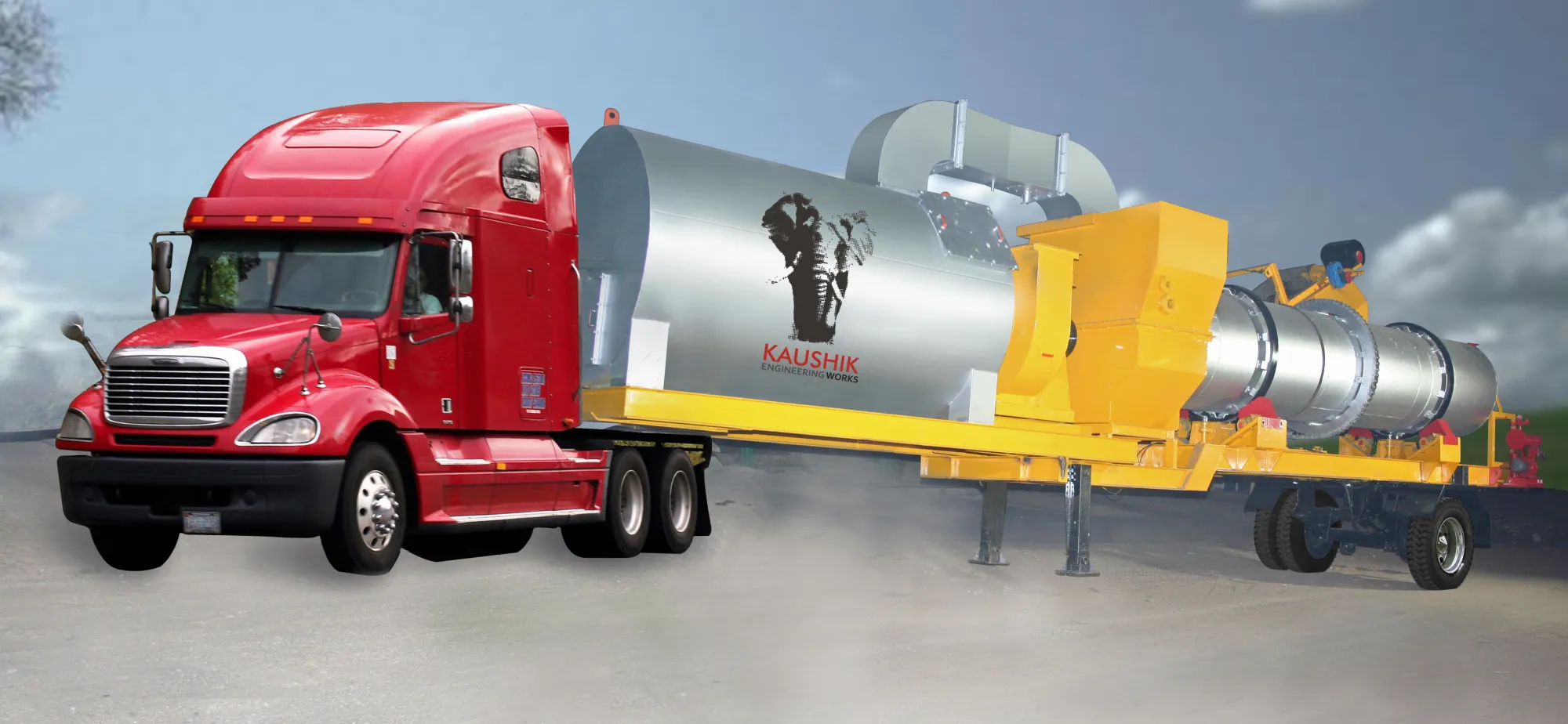
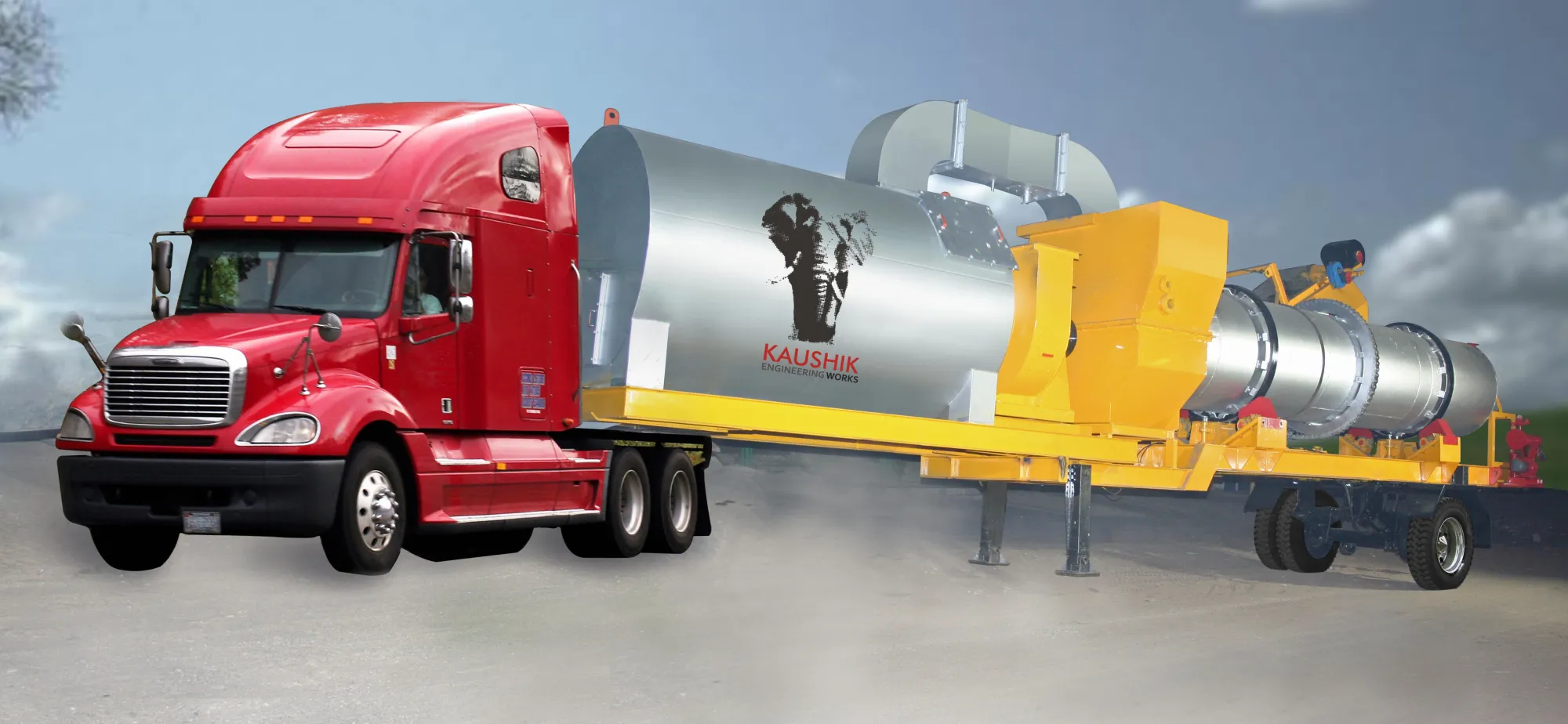
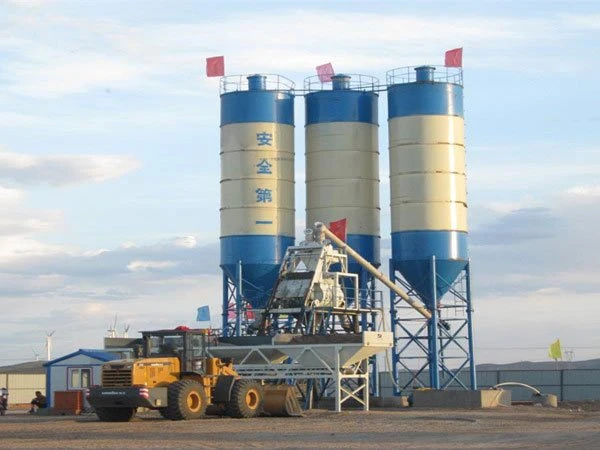
A machine that is slightly out of calibration works harder to produce the same result. Take an asphalt plant as an example. A modern batch mix plant depends on accurate weighing, steady temperature control and consistent mixing. When these systems are precise, the plant produces a uniform mix, wastes less material and puts less strain on its own components.
Precision is not only about road quality. It also protects the machine. Parts that operate within their intended range wear far more slowly than parts that are constantly compensating for errors.
5. Preventive Maintenance Is Not Optional
Even the best-built machine will fail early if it is neglected. The most durable fleets share one habit: they maintain machines on a schedule, not only after a breakdown.
A simple maintenance routine includes:
- Daily: Check oil, coolant and fuel levels, inspect for leaks and clean air filters
- Weekly: Grease moving parts, check belts, tyres or tracks, and tighten loose bolts
- As per hours: Change engine oil, hydraulic oil and filters at the recommended intervals
- Yearly: Carry out a full inspection and replace worn parts before they fail
Keep a written service log for every machine. It helps you spot patterns, plan repairs and resell the machine at a better price later.
6. Skilled Operators Extend Machine Life
A good operator can add years to a machine, and a careless one can take them away. Sudden starts, overloading, running the engine hard when cold and ignoring warning lights all cause hidden damage.
Invest in basic operator training. Teach them to warm up the machine properly, work within rated capacity and report small problems immediately. The cost of training is small compared to the cost of an engine overhaul.
7. Spare Parts and After-Sales Support
Even durable machines need replacement parts eventually. What matters is how quickly you can get them. A machine waiting two weeks for a part loses far more money than the part costs.
Before you buy, ask:
- Are spare parts stocked locally?
- Is there a service team that can reach your site quickly?
- Is the warranty clear, and what does it cover?
- Does the manufacturer provide technical guidance when needed?
Strong after-sales support is often the difference between a machine that lasts ten years and one that is retired at six.
8. Choose Quality Over the Lowest Price
A cheaper machine can look attractive on paper, but frequent repairs, downtime and short working life usually make it more expensive in the long run. Think in terms of total cost of ownership: purchase price, fuel use, maintenance, downtime and resale value. A well-built machine often costs more upfront but delivers more productive years.
Final Thoughts
A road machine that lasts ten years is the result of good design, quality materials, accurate engineering, regular maintenance and reliable support. Contractors who look at all of these factors, not just the price tag, build fleets that stay productive and profitable.
If you are looking for dependable equipment backed by solid engineering, Kaushik Engineering Works is one name to consider. Whether you need a batch mix plant or other road building machinery, working with trusted Road Construction Equipment Manufacturers in India gives you a better chance of getting machines that perform from day one and keep performing for years.
Frequently Asked Questions (FAQs)
1. How long should a road construction machine last?
With quality build, proper maintenance and skilled operation, most road construction machines can work reliably for 10 years or more. Actual life depends on working hours, site conditions and how well the machine is looked after.
2. What is the most common reason road machines fail early?
Poor maintenance is the biggest cause. Skipped oil changes, ignored leaks, dirty filters and overloading lead to small problems that grow into major breakdowns.
3. How can I choose a durable machine before buying?
Check the quality of steel and welding, the brand of engine and hydraulic parts, availability of spare parts and the strength of after-sales service. Visiting the manufacturing unit or seeing a working machine on site also helps.





















Sign in to leave a comment.