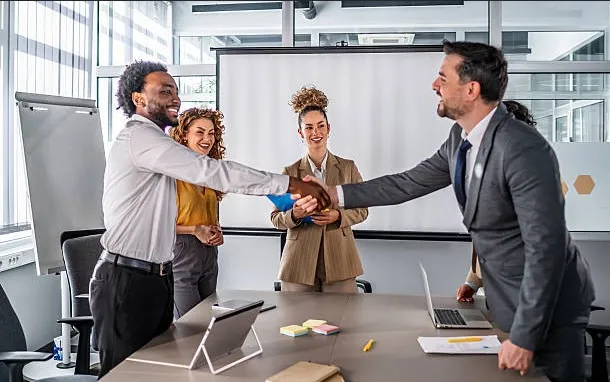

Some professional connections fade as soon as an event ends, while others develop into relationships that continue for years. The difference often comes down to what happens during the interaction and how people connect beyond a simple introduction.
Collaboration events create an environment where conversations can move past surface-level networking and become more purposeful. Still, bringing people together does not automatically lead to a strong partnership. Certain elements make these gatherings far more effective than others.
Understanding what turns a brief meeting into a lasting professional relationship can help explain why some partnerships continue to grow long after the event.
Key Takeaways
- Shared goals create stronger professional connections.
- Structured interaction supports meaningful conversations.
- Smooth logistics improve attendee participation.
- Trust grows through useful professional exchange.
- Follow-up helps relationships continue after the event.
- Long-term partnerships require consistent communication.
How Collaboration Events Build Stronger Professional Partnerships
Shared Goals Give People a Reason to Connect
A successful collaborative gathering starts with a clear purpose. Attendees should understand why they are there and what type of relationships or outcomes the event is designed to support.
For example, an event may focus on:
- Building supplier relationships
- Connecting businesses with nonprofit organizations
- Developing joint marketing opportunities
- Sharing industry knowledge
- Finding project partners
- Creating professional referral networks
Clear goals also improve event planning because organizers can choose sessions, activities, and speakers that directly support the intended outcome.
When attendees already share an interest or business objective, conversations are more likely to move beyond casual introductions.
Structured Interaction Creates More Meaningful Conversations
Unstructured networking can sometimes result in brief conversations that go nowhere. Collaboration events can produce stronger results when organizers create specific opportunities for people to communicate.
Roundtable discussions, moderated workshops, small-group activities, and facilitated introductions can make it easier for attendees to learn about each other's goals and capabilities.
Organizers can also use:
- Industry-specific discussion groups
- Partner matchmaking sessions
- Collaborative problem-solving activities
- Peer learning workshops
- Question-and-answer sessions
- Scheduled networking periods
Good structure gives participants enough direction without making conversations feel overly controlled.
Effective Event Management Supports Better Participation
Even strong programming can lose its value when logistics are poorly handled. Professional event management services can help coordinate registration, schedules, speakers, technology, vendors, attendee communication, and onsite operations.
Smooth logistics allow participants to focus on relationships rather than on unclear schedules or technical problems.
Effective event management should also consider how attendees move between sessions and how much time they have to speak with other participants. A schedule packed with presentations may leave little room for meaningful interaction.
Allowing enough time for discussion can make the event more valuable for people looking to build professional relationships.
Trust Develops Through Useful Exchange
Lasting partnerships depend on trust. Events can help build that trust when attendees have opportunities to share knowledge, demonstrate expertise, and contribute useful ideas.
For example, one business may explain a problem it is trying to solve while another participant offers relevant experience or resources. That conversation can reveal whether the two organizations may work well together.
Trust can also develop through:
- Honest professional discussions
- Shared learning experiences
- Clear communication
- Reliable follow-up
- Demonstrations of expertise
- Mutual professional interests
When participants receive genuine value from one another, the relationship has a stronger foundation for future collaboration.
Follow-Up Turns Introductions into Partnerships
The work should not end when attendees leave the venue. Collaboration events become more valuable when organizers encourage participants to continue conversations afterward.
Follow-up can include:
- Sharing attendee contact information with permission
- Sending presentation materials
- Providing meeting summaries
- Scheduling follow-up networking sessions
- Creating professional online groups
- Introducing attendees who expressed similar interests
Participants should also follow up directly with people they want to work with. A short message that refers to a specific conversation can make it easier to continue the connection.
Strong Partnerships Require Continued Communication
The event may create the introduction, but lasting partnerships require ongoing effort.
Businesses should continue communicating, clarify shared goals, discuss expectations, and identify practical ways to work together. Early collaboration may begin with a small project, a referral arrangement, a shared campaign, or an information exchange before developing into a larger partnership.
Well-planned collaboration events provide the starting point by creating the right environment for useful conversations and professional trust. When clear objectives, organized interaction, effective logistics, and consistent follow-up work together, an event can become more than a temporary gathering. It can create relationships that support future projects, referrals, shared opportunities, and long-term professional growth.
Conclusion
Strong partnerships develop when people have enough time, structure, and shared purpose to build genuine professional relationships. Collaboration events can support this process by creating opportunities for useful conversations, knowledge sharing, problem-solving, and continued communication. The most successful gatherings do more than introduce attendees. They help participants understand where their goals, services, or expertise align.
Clear objectives, organized interaction, reliable logistics, and thoughtful follow-up all contribute to stronger outcomes. When organizations plan with long-term relationship building in mind, collaborative gatherings can lead to referrals, joint projects, shared initiatives, and professional connections that continue well beyond the event itself.
FAQs
What size works best for a collaboration event?
The ideal size depends on the event's purpose and interaction format. Smaller groups may support deeper discussion, while larger gatherings can provide broader networking opportunities.
How long should a collaboration event last?
The schedule should provide enough time for introductions, discussion, activities, and informal conversation without exhausting attendees. Focused half-day or full-day formats may work well.
Can collaboration events work across different industries?
Yes. Cross-industry gatherings can introduce different perspectives, resources, and business opportunities. Organizers should still provide a clear theme that connects the participating groups.
Should organizers share an attendee list before the event?
An attendee list can help participants prepare for relevant conversations when privacy rules and attendee permissions allow it. Sharing basic professional information may also improve networking efficiency.
Are paid events better for building business partnerships?
Paid events may attract participants who are more committed to attending and engaging with the program. Their success still depends on attendee relevance, programming quality, and networking opportunities.















Sign in to leave a comment.