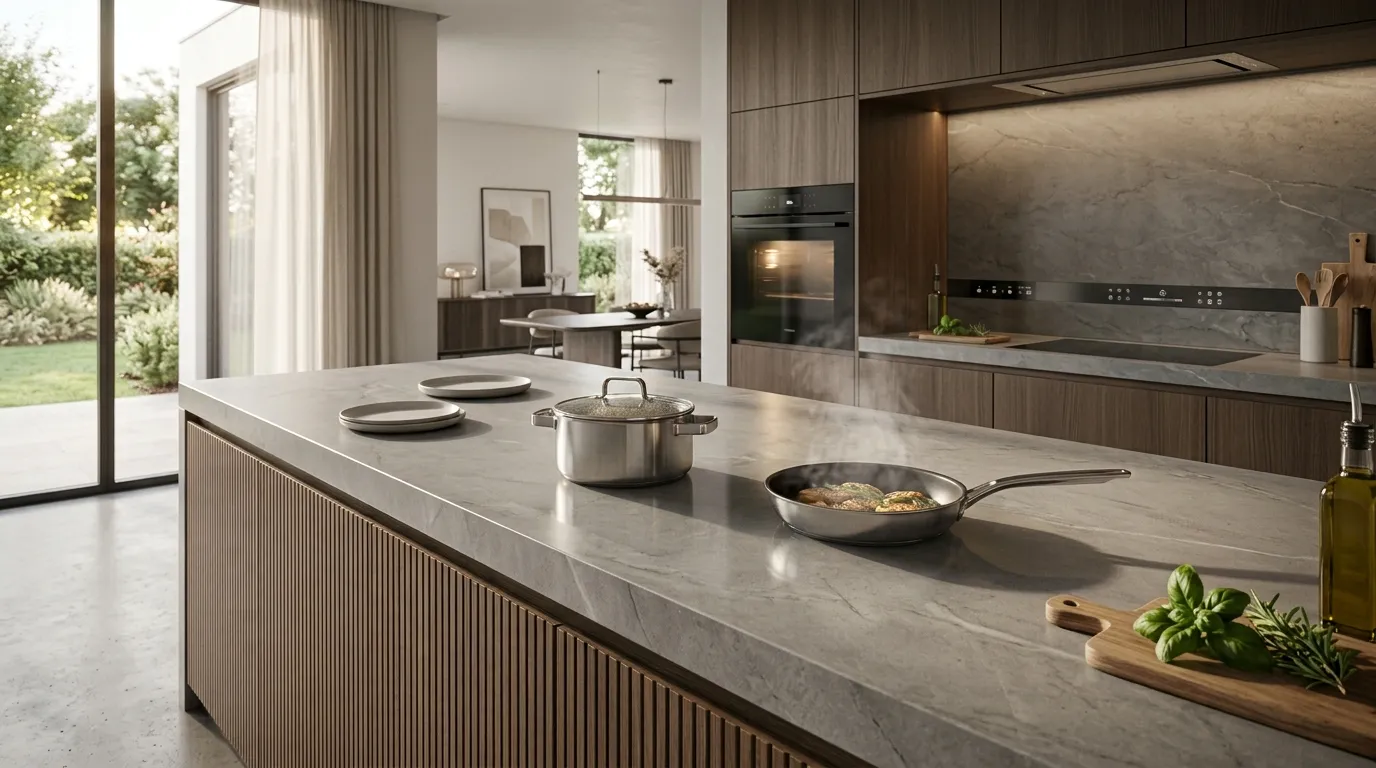

Modern kitchens are no longer designed only around cooking. Today, they are often part of open-plan living spaces, social areas, and carefully planned interiors where every detail matters. Homeowners, architects, and interior designers increasingly want kitchens that offer excellent functionality without allowing appliances to dominate the visual design.
This is where hidden cooking systems are becoming an exciting solution. By integrating cooking technology directly into the worktop, these systems can create a clean, sophisticated appearance while maintaining the practical performance expected from a modern cooking surface.
From improving available workspace to supporting minimalist design, space-saving cooking technology offers several advantages for contemporary homes.
1. A Cleaner and More Minimalist Kitchen Appearance
One of the biggest benefits of concealed cooking systems is their ability to reduce visual clutter. Traditional cooktops usually remain visible even when they are not being used, creating a permanent appliance-focused appearance.
Hidden induction technology takes a different approach. When the cooking surface is integrated beneath a compatible worktop, the kitchen can maintain a continuous, uninterrupted visual surface.
This approach works particularly well in modern interior kitchens, where clean lines, simple materials, and uncluttered spaces are important design features.
When cooking is finished, the worktop can look more like a seamless countertop than a conventional appliance. This creates an elegant transition between the kitchen and surrounding living areas.
2. Making Better Use of Limited Kitchen Space
Kitchen space is valuable, particularly in apartments, compact homes, and open-plan layouts. Conventional appliances can occupy substantial countertop area, leaving less room for food preparation, serving, or everyday activities.
Space-saving cooking technology helps address this challenge by allowing the cooking function to become part of the work surface rather than a separate visual element.
Depending on the system and installation, the countertop can serve multiple purposes. It may provide preparation space when the cooking zones are not being used and become a cooking area when needed.
This multifunctional approach can be especially useful in smaller kitchens, where maximizing every available surface is important.
3. Seamless Integration With Contemporary Materials
Modern interior design often places considerable emphasis on material selection. Stone, porcelain, ceramic, compact surfaces, and other premium worktop materials are frequently chosen to create a distinctive architectural character.
Concealed cooking systems can complement this approach by keeping the cooking technology visually integrated with the countertop.
Instead of placing a separate appliance on top of the work surface, the technology is designed to work as part of the overall installation. The result can be a more cohesive relationship between the cooking area, cabinetry, island, and surrounding architecture.
For designers, this opens interesting possibilities for creating kitchens where technology supports the design rather than becoming the main visual feature.
4. Perfect for Open-Plan and Social Living Spaces
Open-plan homes have changed how people think about kitchen design. A kitchen may now be directly connected to a dining room, lounge, family room, or entertaining area.
In these layouts, visible appliances can sometimes interrupt the visual flow of the interior. A large cooktop, for example, may become a strong focal point even when cooking is not taking place.
Concealed cooking systems offer a more discreet alternative. When integrated effectively, they can help the kitchen maintain a polished appearance that works naturally with the rest of the living space.
This is particularly valuable for homeowners who entertain frequently. The kitchen can function as a practical cooking area while still looking refined and organized when guests arrive.
5. Combining Advanced Technology With Everyday Convenience
A hidden cooking system is not simply about appearance. The real value comes from combining discreet design with modern induction cooking technology.
Induction cooking works by generating heat directly in compatible cookware through electromagnetic energy. Because the heating process is different from traditional gas or conventional electric cooking, it can provide precise and responsive temperature control while eliminating the need for visible gas burners.
For everyday users, this means the kitchen can deliver modern cooking performance without relying on a conventional-looking cooktop.
Of course, proper installation is essential. The worktop material, cookware compatibility, ventilation requirements, electrical specifications, and manufacturer's installation guidelines should all be considered before selecting a system.
The best results come when the technology is planned alongside the kitchen rather than added as an afterthought.
6. Supporting the Future of Modern Kitchen Design
The growth of concealed cooking reflects a wider trend in interior design: technology is becoming more integrated and less visually intrusive.
Smart homes already allow lighting, entertainment, climate control, and other systems to blend into their surroundings. Cooking technology is following a similar direction.
For architects and designers, this creates opportunities to rethink the traditional relationship between appliances and architecture. Instead of designing a kitchen around visible equipment, the cooking function can become part of the architecture itself.
For homeowners, the appeal is equally straightforward: a kitchen that feels spacious, contemporary, and visually calm while still providing a dedicated cooking solution.
As materials and induction technology continue to evolve, hidden cooking systems may become increasingly attractive for luxury residences, compact apartments, hospitality projects, and other design-led environments.
Conclusion
The appeal of hidden cooking systems goes beyond creating a stylish countertop. They provide a thoughtful combination of aesthetics, functionality, and efficient space utilization.
By incorporating space-saving cooking technology into the worktop, homeowners can gain greater flexibility without sacrificing the clean appearance of their kitchen. At the same time, modern interior kitchens can benefit from a more seamless connection between architecture, materials, and technology.
For anyone planning a contemporary kitchen, concealed cooking systems are worth considering as part of the overall design strategy. With the right worktop, installation, cookware, and professional planning, hidden induction technology can transform cooking from a visually dominant appliance into an integrated part of the modern interior.


























Sign in to leave a comment.