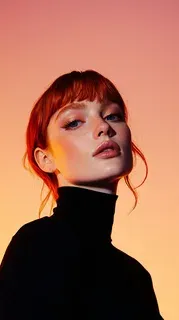

A great portrait does more than show what someone looks like. It captures a feeling, a relationship, or a moment that feels true to the person. Lifestyle portrait photography focuses on these natural details, creating images that feel personal rather than overly planned, posed, or distant.
The strongest portraits often come from ordinary moments. A quiet smile, a familiar gesture, or the way someone interacts with another person can say more than a carefully arranged pose. When these details are photographed naturally, the final image can feel honest while still having a timeless visual quality.
Capture Real Moments by Lifestyle Portrait Photography
Lifestyle portrait photography works best when the photographer gives people room to behave naturally. Instead of asking for the same smile or pose repeatedly, the photographer can observe how subjects move, react, talk, and connect. This approach creates photographs that feel less rehearsed and more connected to real life.
That does not mean there is no planning involved. Location, lighting, clothing, timing, and composition still matter. The difference is that these elements support the moment instead of taking control of it. The result can feel polished without losing the personality that makes the photograph meaningful.
The Small Details Often Tell the Story
Expressions are only one part of a genuine portrait. Hands, posture, surroundings, movement, and small interactions can add context to an image. A person adjusting their jacket, laughing during a conversation, or looking away for a second can create a stronger sense of personality than a forced expression.
These details also help photographs remain interesting over time. Trends in editing and posing can change quickly, but authentic human behavior tends to remain recognizable. When an image focuses on something real, viewers can connect with it even years after the photograph was taken.
Creating Images That Still Feel Personal
A timeless photograph does not necessarily have to look old-fashioned. It can have a modern composition, clean styling, and thoughtful lighting while still avoiding visual choices that overpower the subject. The goal is to create an image where the person remains more important than the trend surrounding them.
This balance requires attention to what genuinely suits the subject. A photographer may guide positioning or suggest a setting, but the final image should still reflect the person being photographed. When styling supports personality instead of replacing it, the photograph can feel both current and lasting.
Television and Theatre Bring a Different Kind of Presence
Television and theatre have long relied on facial expression, body language, timing, and presence to communicate character. Performers learn to use these elements intentionally, but a portrait session can reveal something different: the person behind the performance. This distinction can make portraiture especially interesting for people working in entertainment.
For actors and performers, television and theatre often involve cameras, audiences, scripts, and carefully developed characters. A lifestyle portrait can show quieter moments between those professional demands. Instead of presenting only a role, the photographs can capture personality, atmosphere, and everyday presence in a more relaxed setting.
The connection becomes even more noticeable when television and theatre professionals step away from promotional imagery. Their portraits can include familiar environments, personal routines, or natural interactions that reveal another side of their identity. These images do not need dramatic staging to communicate confidence, character, or individuality.
Why Lifestyle Portrait Photography Goes Beyond Perfect Posing
Even when a pose looks perfect, a photograph can still feel distant if there is no genuine connection. Lifestyle portrait photography focuses on creating a comfortable atmosphere where people can relax and show their natural expressions. Small reactions, movements, and interactions can make an image feel more personal and true to the subject.
Communication plays an important role during a portrait session. A photographer can offer simple direction, suggest natural movements, or keep the conversation flowing instead of constantly asking the subject to pose. This approach allows authentic expressions to appear naturally and gives the final photographs a more personal feel.
How Lighting Shapes a Natural Portrait
Lighting plays an important role in creating the right mood for a portrait. Soft window light can create a warm and intimate feeling, while outdoor light can make an image feel open and energetic. The goal is to choose lighting that supports the subject without making the lighting itself the focus of the photograph.
Natural-looking light can also complement the relaxed style of lifestyle portrait photography. Thoughtful positioning, balanced exposure, and simple backgrounds can give an image structure while keeping attention on the person. When lighting works quietly in the background, the subject and their personality remain at the center of the photograph.
Why Timeless Portraits Look Beyond Photography Trends
Photography trends can add visual interest, but they can also make an image feel tied to a particular period. Heavy effects, dramatic editing, or highly specific posing styles may attract attention at first but can lose their appeal over time. Timeless portrait photography keeps the focus on elements that remain meaningful.
Instead of depending on temporary styles, photographers can emphasize genuine expression, thoughtful composition, natural surroundings, and real emotion. This approach allows lifestyle portrait photography to tell a story that feels connected to the moment without becoming trapped by a passing trend. The photograph can reflect its era while still preserving the personality and emotion that made it worth capturing.
The Closing Thoughts: Making Lifestyle Portrait Photography Feel Real
Lifestyle portrait photography feels genuine when it captures personality, natural movement, and honest interaction rather than forced poses. Thoughtful direction and suitable lighting can help create images that remain meaningful beyond changing trends.
For professionals connected to television and theatre, this approach can also reveal a more natural side beyond performance. Whether capturing everyday moments or professional portraits, focusing on real expressions and personal stories allows photographers to create visual memories that feel polished, authentic, and emotionally connected long after the session ends.

























Sign in to leave a comment.