

Open-cell foam can be a reliable insulation choice for some Fresno buildings because it can slow heat transfer and reduce uncontrolled air movement when properly installed. Its suitability depends on the building assembly, existing insulation, moisture conditions, foam thickness, and where the material will be installed. Open-cell spray foam typically provides about R-3.5 to R-3.6 per inch and is softer and more vapor-permeable than closed-cell foam.
For buildings in Fresno, the decision should start with the actual problem rather than the insulation name. The following sections explain open-cell foam insulation benefits, where it can fit, how it compares with other spray foam insulation options, and what local weather and California code requirements can mean for an installation.
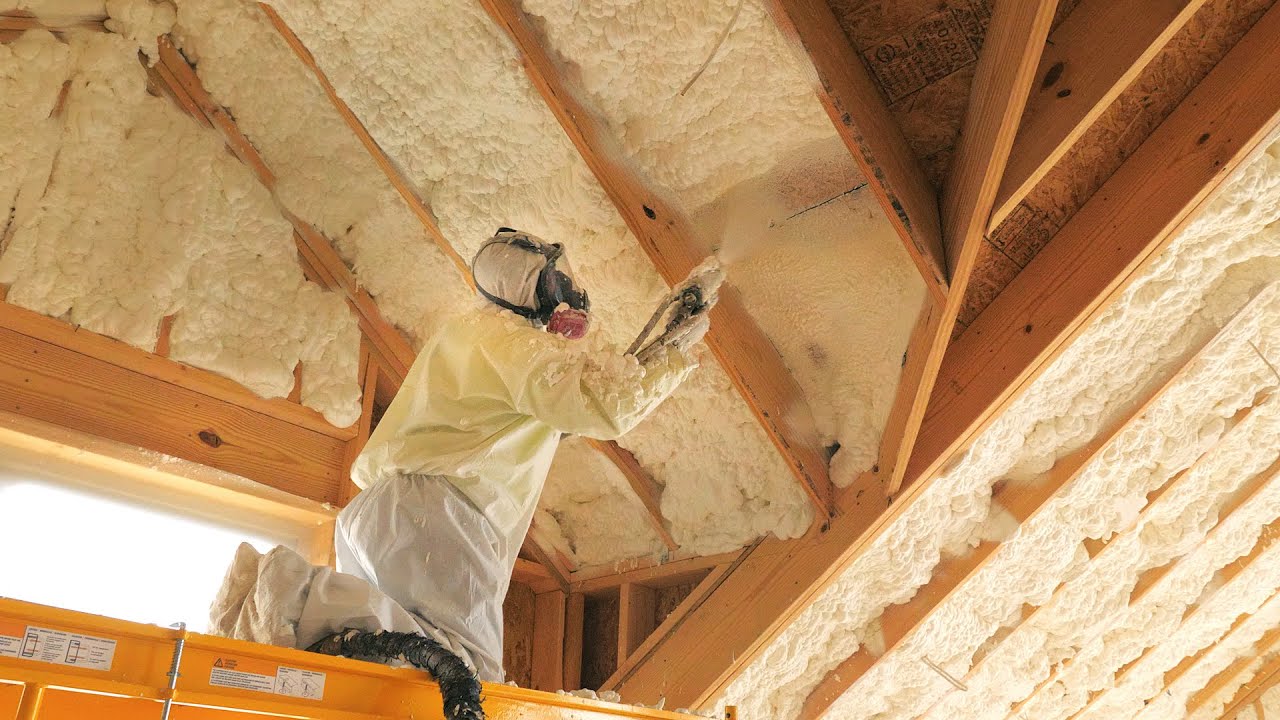
Why Open-Cell Foam Can Work Well In Fresno Buildings
Fresno summers can put heavy demand on air conditioning. NOAA climate normals show average July and August highs of about 97.7°F and 96.5°F.
Thin attic insulation, gaps, or air leaks can let more heat into the home. Open-cell spray foam expands into gaps and irregular spaces, helping reduce air leakage and slow heat transfer.
The EPA classifies open-cell spray polyurethane foam as a low-density insulation and air-sealing product. It can work well in larger cavities, but roof condition, moisture, available space, and insulation needs should be checked first.
Open-Cell Foam Insulation Benefits
Open-cell foam offers several practical benefits when the building conditions match the material.
- Air Sealing: The foam expands into gaps and irregular spaces, helping reduce uncontrolled air movement through the building envelope. ENERGY STAR also identifies air sealing as an important part of attic insulation work.
- Lower-Density Installation: Open-cell foam uses less material by volume than closed-cell foam and expands aggressively after application. This makes it useful for filling larger cavities.
- Sound Control: Its open-cell structure can help reduce sound transfer, although the overall result depends on the complete wall or ceiling assembly.
- Irregular Areas: Spray application allows the material to follow complex surfaces and fill spaces that can be difficult to insulate evenly with rigid materials.
These benefits matter most when the foam is installed at the correct thickness and as part of a properly designed building assembly.
Open-Cell Vs. Closed Cell Spray Foam
Open-cell and closed-cell foam are both spray polyurethane insulation products, but they do not perform in exactly the same way. Open-cell foam is softer, has a lower R-value per inch, and is more vapor permeable. Closed-cell foam is denser and generally provides more R-value per inch.
| Feature | Open-Cell Foam | Closed-Cell Foam |
| Density | Lower density and softer | Higher density and rigid |
| Typical R-Value | About R-3.5 to R-3.6 per inch | About R-6 or higher per inch |
| Vapor Behavior | More vapor permeable | More resistant to vapor movement |
| Air Sealing | Helps limit air movement | Helps limit air movement |
| Common Consideration | Requires attention to moisture conditions | Useful where higher R-value per inch is needed |
The choice should be based on the location and assembly rather than simply selecting the foam with the highest R-value.
Pros And Cons Of Open-Cell Foam
Open-cell foam has useful strengths, but it also has limitations that should be understood before installation.
Advantages
- Good Air-Sealing Potential: Properly installed foam can reduce air movement through cracks, gaps, and irregular building cavities.
- Useful For Larger Cavities: Its strong expansion makes it practical for some walls, ceilings, and other larger insulation areas.
- Lower R-Value Per Inch: Although its R-value is lower than closed-cell foam, it can still provide useful thermal resistance when installed at an appropriate thickness.
- Sound Reduction: The open-cell structure can provide some sound-control benefits within a suitable assembly.
Limitations
- Moisture Exposure Matters: Open-cell foam is not vapor impermeable and can absorb and hold liquid water, so moisture conditions need to be evaluated before installation.
- More Space May Be Needed: Its lower R-value per inch can require greater thickness than closed-cell foam to achieve a similar thermal resistance.
- Installation Quality Matters: Poor application, gaps, or incorrect thickness can reduce the expected performance.
- Not A Roof Repair: Foam should not be used to hide active roof leaks or unresolved moisture problems.
Real Problems Open-Cell Foam May Help Address
Fresno homeowners may notice hot upstairs rooms, uneven temperatures, high cooling bills, or drafts before finding an insulation problem. ENERGY STAR lists these as common signs that attic air sealing may need attention.
Air leaks can also occur around wiring, plumbing openings, attic hatches, and kneewalls. Open-cell foam may help seal suitable gaps, but the attic, insulation, ducts, windows, and HVAC system should be checked first.
How Fresno Weather Affects Open-Cell Foam Installation
Fresno has hot summers and mild, dry winters, so insulation work needs to account for both heat and seasonal moisture.
Summer installations require suitable application conditions, while winter work needs dry surfaces and proper moisture control. Installers should also check the roof or substrate for leaks and damage before applying foam.
Existing moisture problems should be fixed first. Foam should not be used to cover an unresolved leak or damaged assembly.
Understanding R-Value In Open-Cell Foam
R-value measures resistance to heat flow. A higher R-value generally means greater resistance to heat transfer.
Open-cell spray foam commonly provides about R-3.5 to R-3.6 per inch, although the exact value depends on the product and installation.
R-value alone does not determine how well an insulation system performs. Coverage, thickness, air leakage, moisture control, and the rest of the building assembly also matter.
ENERGY STAR recommends evenly distributed attic insulation without obvious low areas.
California Code Considerations
California's 2025 Energy Code took effect January 1, 2026, and applies to covered new construction, additions, and alterations. Requirements vary by building type, project, and assembly.
For that reason, an open-cell foam installation should be planned around the applicable Title 24 requirements rather than relying only on a product's advertised R-value.
Why Choose Supreme Spray Foam – Fresno
Supreme Spray Foam – Fresno provides residential and commercial insulation services, including open-cell and closed-cell spray foam, attic insulation, crawl space insulation, and spray foam repairs.
The company's approach can start with the condition of the building instead of assuming that every Fresno property needs the same insulation material. Existing insulation, air leakage, moisture, access, and the location of the problem all affect the appropriate installation plan.
A professional evaluation can help determine whether open-cell foam is suitable or whether another insulation method would better match the building assembly.
Conclusion
Open-cell foam can be a practical insulation option for Fresno buildings when the material fits the assembly and is installed correctly. It can provide thermal resistance, air sealing, and some sound-control benefits while working well in larger or irregular cavities.
Its lower R-value per inch and greater vapor permeability also mean that moisture conditions, required thickness, and assembly design need careful attention. Fresno's hot summers make heat control important, while seasonal winter moisture requires the building to be checked before insulation work begins.
Get Help With Open-Cell Foam Insulation In Fresno, CA
Supreme Spray Foam – Fresno can evaluate a building's existing insulation, air leakage, moisture conditions, and installation area before recommending an appropriate spray foam insulation option.
Email: [email protected]
Phone: (559) 545-0800
Services: Residential Spray Foam Insulation, Commercial Spray Foam Insulation, Open-Cell Spray Foam Insulation, Closed-Cell Spray Foam Insulation, Attic Insulation, Spray Foam Repairs, Crawl Space Spray Foam Insulation, and Commercial Insulation Services.
Frequently Asked Questions
Can Open-Cell Foam Fix Drafty Rooms?
It can help when drafts come from air leaks in suitable cavities, attic hatches, or wall penetrations. The source of the leak should be identified first.
Will Open-Cell Foam Make HVAC Run Less?
It may reduce heating or cooling demand when air leakage and poor insulation are contributing to the problem. HVAC condition and ductwork also affect runtime.
Can Open-Cell Foam Be Added Over Old Insulation?
It depends on the existing insulation and where the foam will be installed. Damaged, wet, or contaminated insulation may need to be addressed first.
What Happens If Open-Cell Foam Gets Wet?
Open-cell foam can absorb and hold liquid water. The moisture source should be fixed before foam is installed or left in place.
Author: Marcus Bennett
I'm Marcus Bennett, owner of Supreme Spray Foam-Fresno, with over 10 years of experience in spray foam insulation. I'm dedicated to providing lasting, energy-efficient solutions for residential and commercial properties, combining technical expertise, quality workmanship, and a customer-first approach on every project. That dedication to lasting, energy-efficient solutions and a customer-first approach guides every project I take on, whether it's a residential home or a commercial property, because technical expertise and quality workmanship matter on every job. Delivering that same lasting, energy-efficient result remains my focus for every client served.
Reviewer: Emma Robinson
Emma Robinson contributed her knowledge from 8 years of working in the spray foam industry. Her review helped shape this content with ideas grounded in what contractors and homeowners actually value.
























Sign in to leave a comment.