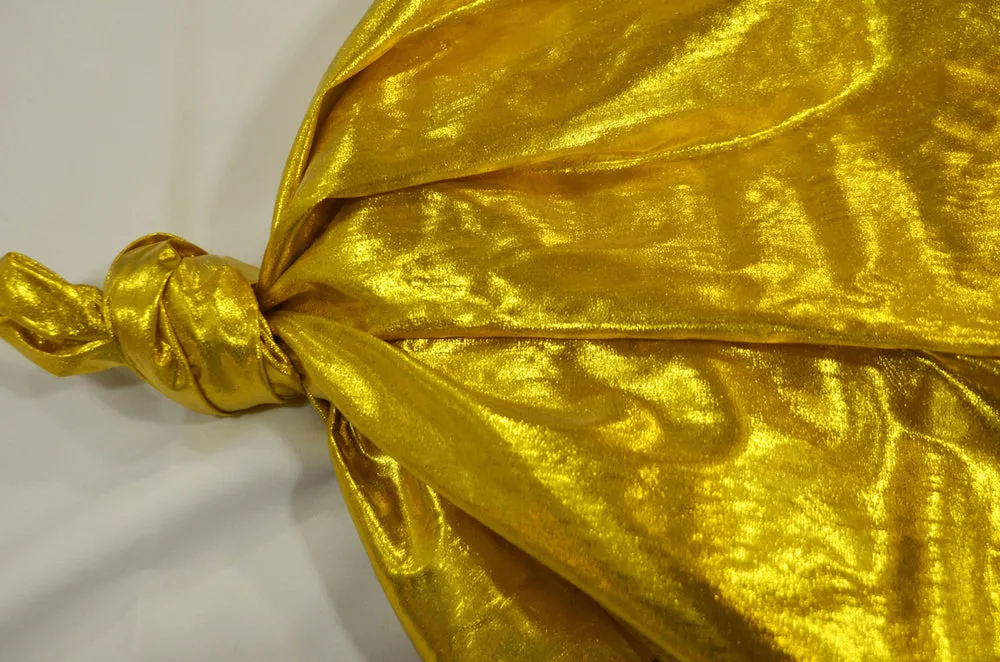

Some fabrics make an impression the moment they catch the light. Tissue lamé is one of them. Its lightweight construction, metallic appearance, and soft drape make it useful for fashion, costumes, event décor, and creative projects. Tissue lame fabric can look delicate at first glance, yet its shimmering surface gives even simple designs a luxurious feel.
That combination is what makes this textile so appealing. It can add glamour without creating the heavy appearance associated with thicker metallic materials.
Why Does Tissue Lamé Look So Luxurious?
The biggest attraction is its subtle metallic effect. Light reflects from the surface, creating a gentle shimmer that can change as the fabric moves.
Unlike a completely flat textile, lamé has a lively appearance. Even a small amount can catch attention. This makes it useful when designers want to add sparkle without covering an entire design in sequins or embellishments.
The fabric can also work with different color palettes. Gold and silver shades can create a formal look, while colorful metallic options can feel more playful and modern.
What Makes It Feel So Delicate?
Tissue lamé is generally lightweight, which contributes to its delicate appearance. It can drape softly and move easily rather than holding a stiff shape.
This quality makes it particularly useful for flowing garments, decorative overlays, and lightweight accents. However, its delicate nature also means it should be handled with care.
Rough handling, sharp accessories, or careless cutting can potentially damage lightweight fabric. Taking a little extra time during preparation can make the sewing and decorating process much easier.
How Is It Used in Fashion?
Fashion designers can use lamé when they want to introduce shine without adding excessive bulk. It can be incorporated into dresses, skirts, tops, sleeves, scarves, and costume pieces.
A full garment made with metallic fabric can create a bold statement. On the other hand, using it only for selected sections can produce a more balanced look.
For example, a simple black dress could feature metallic sleeves or a decorative panel. Similarly, a flowing skirt can use lamé as an overlay to create movement and shine.
The material is especially interesting under photography and stage lighting. As the wearer moves, the reflective surface creates changing highlights.
Can Tissue Lamé Work for Costumes?
Absolutely. Costume designers often need materials that stand out under strong lighting. Tissue lame can help create that effect without requiring heavy embellishment.
It can suit fantasy costumes, theatrical outfits, dancewear, holiday creations, and futuristic designs. Depending on the color and construction, it can suggest anything from royal elegance to sci-fi glamour.
It can also be layered with matte materials. Pairing metallic fabric with velvet, cotton, or other non-reflective textiles creates contrast and prevents the costume from looking one-dimensional.
How Can It Enhance Event Décor?
Tissue lamé is not limited to clothing. Its reflective surface can also bring energy to event spaces.
Event planners and decorators can use it for:
- Table overlays
- Decorative runners
- Backdrop accents
- Stage décor
- Chair details
- Gift table treatments
- Photo booth backgrounds
- Decorative panels
A small amount can go a long way. For instance, a metallic runner placed across a neutral tablecloth can create a focal point without overwhelming the centerpiece. Similarly, panels can be added to a backdrop to catch stage or ambient lighting.
Does It Work for Holiday and Celebration Décor?
Yes. Metallic textiles naturally suit celebrations where sparkle and glamour are part of the theme. Holiday parties, New Year's events, weddings, galas, and milestone celebrations can all benefit from metallic accents. Gold and silver are classic choices, but other shades can work just as well.
The key is balance. Combining lamé with simple fabrics and neutral surfaces can make the metallic details stand out more effectively. Too much shine can sometimes make a space feel busy. A few well-placed accents usually create a more polished result.
Why Is Movement Important?
One of the most appealing qualities of lightweight metallic fabric is the way it responds to movement. A curtain shifting in the air, a dress moving across a dance floor, or a backdrop catching changing lights can produce subtle variations in shine. This gives the fabric a dynamic quality.
That is particularly useful for performances and events. The material can look different from one angle to another, adding visual interest without complicated decoration.
How Should Designers Handle the Fabric?
Because the material is lightweight, careful preparation matters. Measure twice before cutting, especially when working on a large project.
Use suitable sewing tools and avoid unnecessary pulling or stretching. If the fabric needs pressing, follow appropriate care instructions and use a cautious approach. It is also worth testing a small section before committing to the main project. This can help you understand how the material behaves with your chosen sewing technique.
For décor projects, secure the fabric properly while avoiding anything that could snag or tear the surface.
Can It Be Combined With Other Textiles?
Definitely. Combining textures is one of the easiest ways to make metallic fabric feel sophisticated rather than excessive. Pair tissue lame fabric with velvet for a rich, dramatic look. Combine it with chiffon or organza for a lighter, more ethereal effect. Cotton or linen can provide a more grounded contrast.
This flexibility makes it useful for both fashion and décor. Designers can adjust the overall mood simply by changing the materials used alongside it.
A Delicate Fabric With Plenty of Character
Tissue lamé brings together two qualities that do not always appear in the same material: delicate movement and luxurious shine. Its lightweight nature makes it suitable for flowing designs, while its metallic surface adds instant visual interest.
Whether used in clothing, costumes, stage settings, or event décor, tissue lame can make ordinary designs feel more special. With careful handling and thoughtful styling, this shimmering textile can provide just the right amount of glamour without going overboard.























Sign in to leave a comment.