

Why "Traditional" Actually Means Something Here
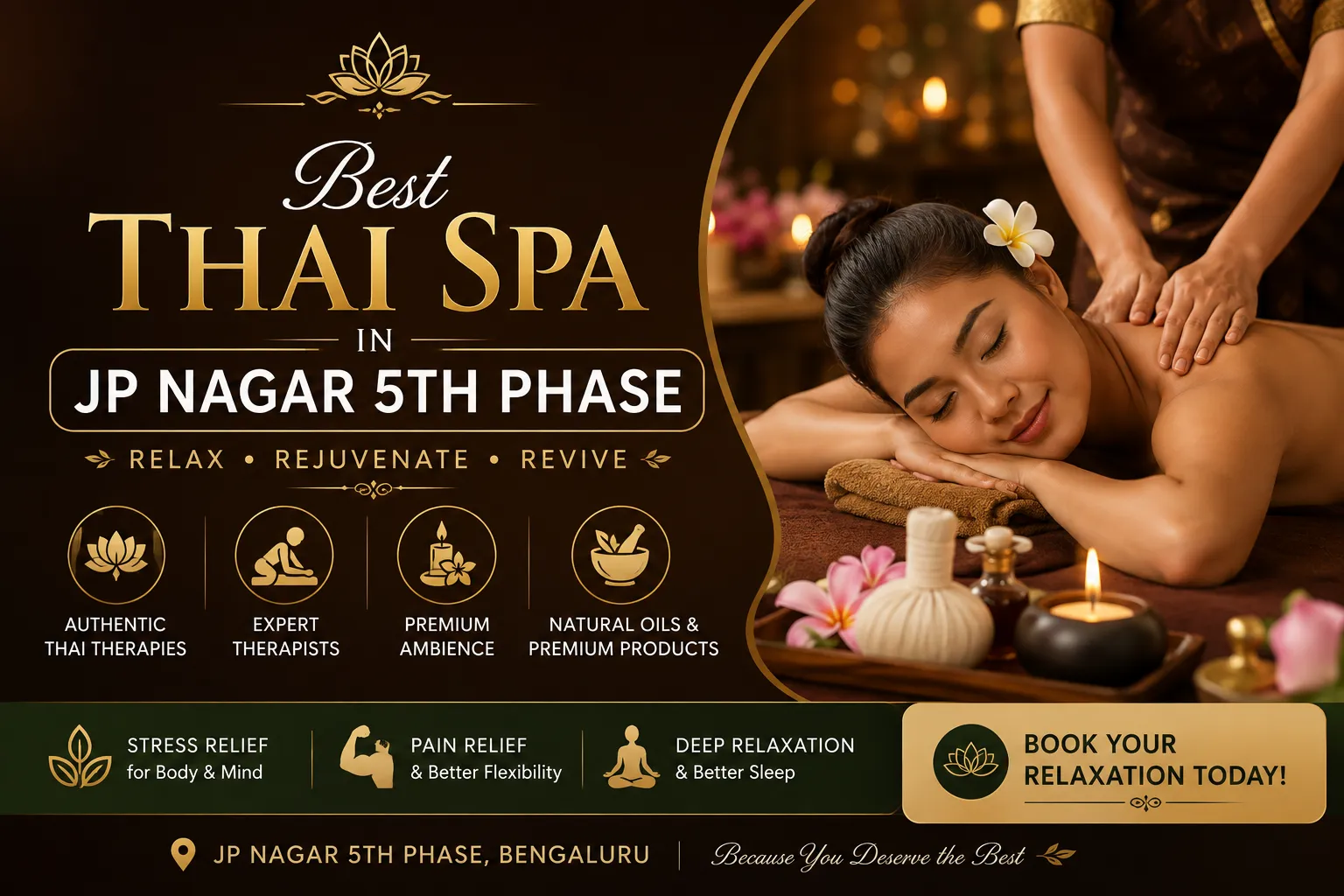
Walk into any spa in JP Nagar today and chances are the word "Thai" is somewhere on the menu. But there's a real difference between a generic relaxation massage with a Thai-sounding name and an actual Traditional Thai Massage in JP Nagar done the way it's meant to be. The traditional version isn't just about pressure and oil — it's a whole technique rooted in old healing practices, and that difference shows the moment the session actually starts.
A lot of people book a Thai massage expecting something similar to a Swedish or deep tissue massage, and end up surprised — sometimes pleasantly, sometimes not — by how different the experience actually is. Knowing what you're walking into makes a big difference in how much you enjoy it.
What The Actual Technique Looks Like
Traditional Thai massage is practiced fully clothed, usually on a mat on the floor rather than a table, and involves the therapist using hands, elbows, knees, and even feet to apply pressure along specific energy lines in the body. It also includes assisted stretching, where the therapist gently guides your body into yoga-like positions to release tension in ways a regular massage simply doesn't.
This is why it's sometimes called "lazy man's yoga" — you're essentially being stretched and worked on without doing any of the effort yourself. It can feel intense at first if you're used to a soft relaxation massage, but people who stick with it usually find the results last longer, especially for stiffness in the back, shoulders, and hips.
Why Therapist Training Isn't Optional Here
This style of massage genuinely requires trained hands. Unlike a generic oil massage that most therapists can pick up quickly, traditional Thai techniques take real time to learn properly — knowing where to apply pressure, how much stretch is safe, and how to read a client's body language to avoid pushing too far. A poorly trained therapist attempting Thai techniques can end up causing discomfort or even minor injury instead of relief.
Before booking anywhere, it's worth directly asking whether therapists have trained specifically in Thai massage, ideally under someone with genuine expertise, rather than just learning the basic moves from a quick in-house training session.
The Environment Should Match the Experience
Since Thai massage often happens on a floor mat rather than a table, the space itself matters more than people expect. A cramped, noisy room takes away from what's supposed to be a grounding, almost meditative experience. Good places tend to offer quieter rooms, comfortable mats, and enough space for the therapist to move freely during stretches, rather than squeezing the service into a setup better suited for a regular table massage.
Cleanliness matters just as much here, if not more, since you're in closer, more direct contact with mats and floor surfaces throughout the session.
Is It For Everyone?
Not necessarily, and a good spa will actually tell you this instead of just booking you in regardless. People with certain joint issues, recent injuries, or specific medical conditions should ideally consult a doctor before going for a full traditional session, since the stretching involved can be intense. A responsible spa will ask about your health history beforehand and adjust the pressure and stretching accordingly, rather than applying the exact same routine to everyone.
Pricing Reflects More Than Just Time
Traditional Thai massage sessions are often priced a bit higher than standard massages, and that's usually fair given the additional skill and physical effort involved on the therapist's end. Extremely cheap options in this category are worth being cautious about, since it often means therapists are underpaid, undertrained, or rushed through sessions that are supposed to take a proper hour or more to do correctly.
What to Ask Before You Book
It helps to ask upfront how long the session actually runs, whether it includes both massage and stretching components, and whether the therapist has specific Thai training. A spa that explains this clearly, without vague marketing language, is usually a good sign that they take the technique seriously rather than just using it as a buzzword.
Bottom Line
Traditional Thai massage isn't just another spa option — it's a specific, skill-heavy technique that rewards finding a place that actually does it properly. A little research and a few honest questions beforehand go a long way toward making sure you get the real experience instead of a diluted, generic version wearing the same name.
























Sign in to leave a comment.