
High-voltage transmission lines carry electricity across long distances, often passing through different weather conditions, landscapes, and operating environments. The conductors get most of the attention because they carry the electrical current, but they are only one part of the system. Transmission line accessories are just as important.
A transmission line depends on several small components working together. If one of them is poorly selected, the performance of the complete line may suffer. That is why accessories used in high-voltage applications need to meet much stricter requirements than components used in ordinary electrical installations.
So, what makes these accessories suitable for high-voltage transmission lines?
Ability to Handle High Electrical Stress
The first thing to consider is electrical performance.
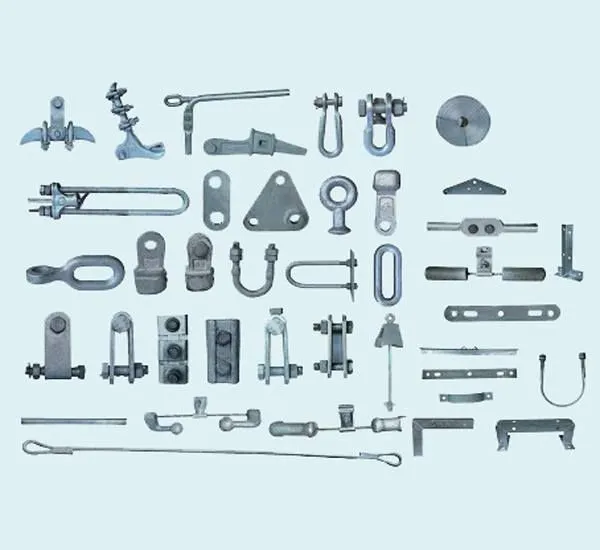
High-voltage lines operate under strong electrical stress. Accessories such as clamps, connectors, spacers, vibration dampers, insulators fittings and other line hardware have to work without creating unwanted electrical problems.
The shape and design of an accessory matter here. Poorly designed edges, unsuitable surfaces or weak connections may increase the chance of electrical discharge or other problems. Components intended for transmission lines are therefore designed with the electrical environment in mind, not simply for mechanical connection.
A small component still has a serious job.
Strong Mechanical Construction
Electricity is only half the story. Transmission line accessories also have to deal with mechanical loads.
Conductors are exposed to wind, their own weight, temperature changes and movement. In some locations, ice or other environmental conditions add further load. Accessories connected to the conductors must hold their position and maintain a secure connection while these forces act on the line.
This is where material selection and construction quality become important.
A suitable accessory should have enough mechanical strength for the application. It should not easily deform, loosen or break when subjected to the loads expected during service. The connection also needs to remain stable over time because a transmission line is not something that gets frequent maintenance just for the sake of checking every small component.
Resistance to Weather and Outdoor Conditions
Transmission lines spend years outside.
There is no roof over them and no controlled indoor environment. Rain, sunlight, humidity, temperature changes and pollution may affect exposed components. In coastal or industrial areas, the surrounding atmosphere may create even more demanding conditions.
For this reason, transmission line accessories need suitable resistance to corrosion and environmental exposure.
Materials and protective finishes are selected according to the conditions where the accessories will be installed. Galvanized components, corrosion-resistant materials and suitable protective treatments are examples of approaches used to improve service performance.
The point is simple: an accessory should continue doing its job after years of outdoor exposure, not only when it is new.
Reliable Connection With Conductors
Connections are another major concern.
A transmission line has many points where different components come together. These connections need to stay secure while carrying electrical current and handling mechanical movement.
A good accessory provides a firm connection without unnecessarily damaging the conductor. The contact area, fastening arrangement and overall design all have a role here.
Loose or poorly fitted hardware is a concern because it may affect electrical and mechanical performance at the same time. Proper installation is also important. Even a well-designed component needs to be installed according to its intended application.
Control of Conductor Movement and Vibration
Conductors are not completely still.
Wind can cause movement, and repeated movement over a long period may create fatigue in the conductor and connected hardware. Vibration control therefore becomes an important part of transmission line design.
Accessories such as vibration dampers and spacers help manage conductor movement under different operating conditions. Their purpose is not simply to hold something in place. They help the line deal with movement that happens again and again.
This is one reason accessory selection should consider the complete transmission system rather than looking at one component separately.
Correct Material and Manufacturing Quality
Material quality has a direct effect on the working life of transmission line accessories.
Components need a combination of electrical, mechanical and environmental properties. The material should suit the expected load and surroundings, while manufacturing should provide consistent dimensions and dependable construction.
This is particularly important for accessories installed on high-voltage lines because replacing a failed component may involve difficult maintenance work and interruption planning.
Quality checks matter at every stage, from material selection to production and inspection.
Compliance With Required Standards
High-voltage equipment is not designed only on personal preference. Technical standards and specifications help define the performance expected from transmission line components.
Accessories need to match the technical requirements of the particular transmission system, including electrical ratings, mechanical requirements, dimensions and environmental conditions.
Testing and inspection provide another layer of confidence. The exact standards used depend on the component, application and project requirements, so the specification should always be checked before selection.
Designed for Long-Term Service
One thing separates transmission line accessories from ordinary hardware: they are expected to remain dependable for a long time.
A transmission network represents a major infrastructure investment. Every fitting, clamp, connector and supporting component has a role in keeping that system working safely and steadily.
Good high-voltage accessories bring several things together: electrical suitability, mechanical strength, weather resistance, secure connections, vibration control and consistent manufacturing quality.
That combination is what makes a relatively small piece of hardware important to a transmission line stretching for kilometres. And when the line is carrying high voltage, there is very little room for a component that was chosen without looking at the bigger picture.




















Sign in to leave a comment.