

After hail or high winds, start by recording what you can safely see around your Moore home. Photos, a short timeline, and a professional roof assessment can help you understand what happened before deciding on roof work.
Before hiring a roofing company in Moore, OK, gather the information you already have. You do not need to diagnose the roof yourself. Your goal is to preserve useful details and give the inspector a clear starting point.
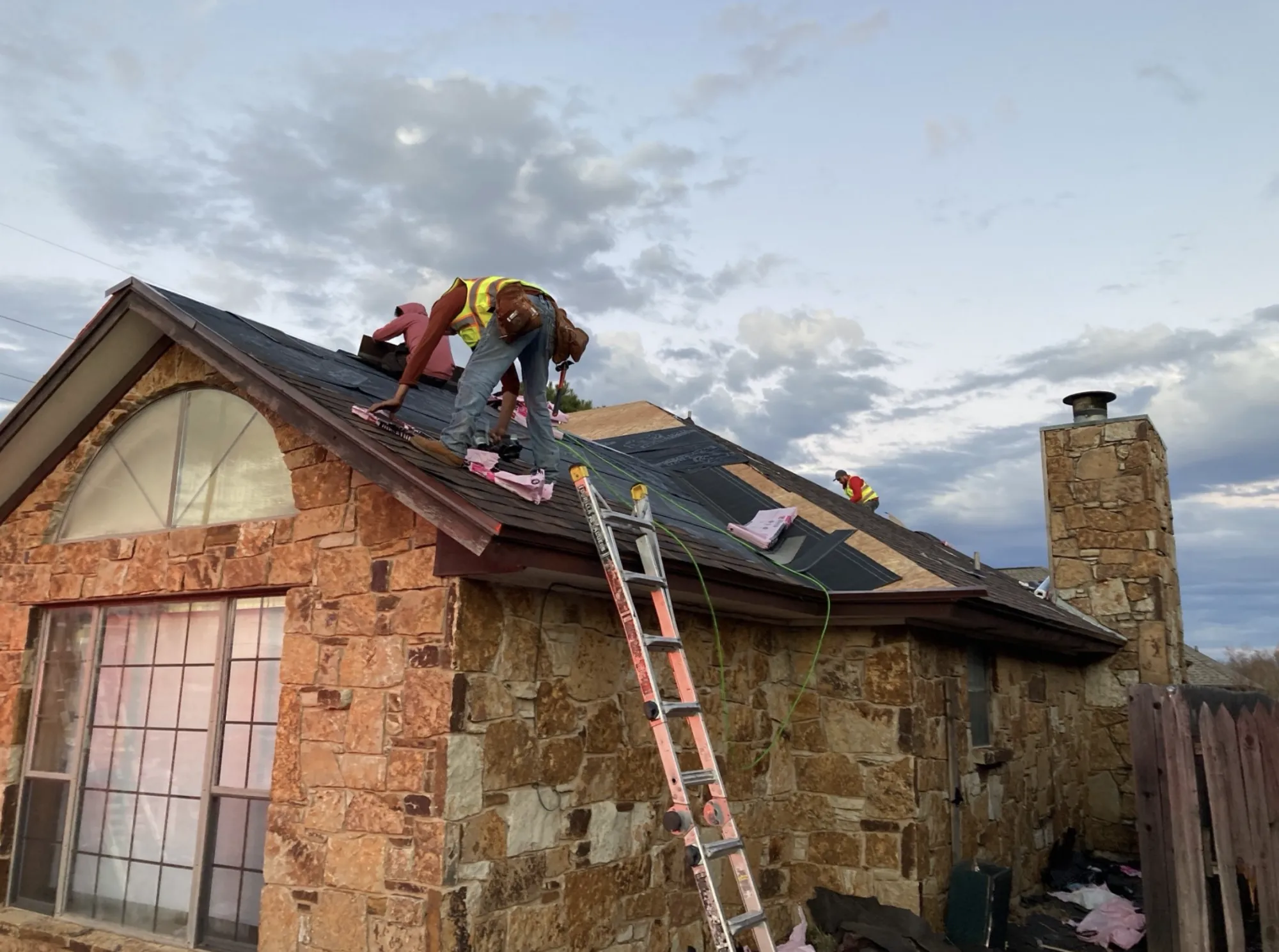
Begin with safety and a simple timeline.
Wait until the storm has passed and it is safe to go outside. Stay away from fallen power lines, unstable trees, and damaged structures. Leave roof access and elevated inspections to qualified professionals.
Write down the date and approximate time of the storm, when you first noticed a concern, and what you saw. Separate what you observed from what someone else told you. For example, "water stain noticed Monday morning" is more precise than assuming exactly when water first entered.
If there is active water entry or an exposed area, arrange prompt professional help to limit further damage. Take photos when safe, but do not delay an urgent response just to complete your records.
Photograph the property from safe locations.
Take wide photos first so each closer image has context. Work around the property from the ground, and avoid standing below loose branches or visibly damaged areas.
Useful subjects may include:
- Shingle pieces or other roofing material on the ground.
- Visible gaps or displaced material along roof edges.
- Dents on accessible gutters, downspouts, or other metal surfaces.
- Fallen branches and debris near the house.
- New ceiling stains or other interior changes.
Keep the original images rather than only edited or cropped copies. Label the location of each concern in your notes. A dent on a gutter is worth recording, but it does not establish the condition of the shingles.
Gather the records you already have.
Look for installation paperwork, past roof inspection reports, and photos taken before the storm. If you do not know the roof's age, say so rather than guessing.
Save messages about the storm and any receipts for emergency protection or other related expenses. The Oklahoma Insurance Department's storm guidance recommends documenting damage with photos or video and retaining relevant receipts.
Store everything in one folder. Clear filenames such as "north gutter after storm" or "bedroom ceiling Tuesday" can make the records easier to review.
Ask for an inspection that explains the findings
A useful roof assessment should identify the components inspected, the conditions found, and any areas the inspector could not safely access. Ask for photos that connect each finding to a specific part of your roof.
Questions to ask include:
- Which findings appear consistent with storm effects, and why?
- Were there signs of existing wear or another possible cause?
- Are the concerns limited to one area or present across several slopes?
- What needs prompt attention, and what can be monitored?
You can review Hiner Roofing's Moore service page for its local inspection offering. Hiner Roofing provides free documented inspections with photo and video findings, plus a quote when needed.
Understand what supports a replacement recommendation.
Roof replacement in Moore, OK, should follow an assessment of the individual roof. A nearby house receiving a new roof does not establish what your home needs.
If replacement is recommended, ask the contractor to connect that recommendation to the documented condition. Request an explanation of the affected areas, the proposed scope, and why that scope is appropriate.
Keep the inspection report separate from the project proposal. One records what was observed; the other describes work you may choose to authorize.
Keep insurance questions with your insurer.
If you believe you may have a covered loss, contact your insurer promptly and ask about reporting requirements, deadlines, and the documents it needs. Keep a dated record of the conversation.
An inspection can document roof conditions, but it does not determine coverage. Your insurer evaluates the claim under your policy. Ask for explanations of unfamiliar terms and keep copies of the information you submit.
Leave each conversation with a clear next step.
Before the inspection ends, confirm what happens next and who will follow up. If you are waiting for a written report, agree on when to expect it.
An organized record helps you ask better questions, compare explanations, and avoid making a roofing decision from an incomplete conversation.






















Sign in to leave a comment.