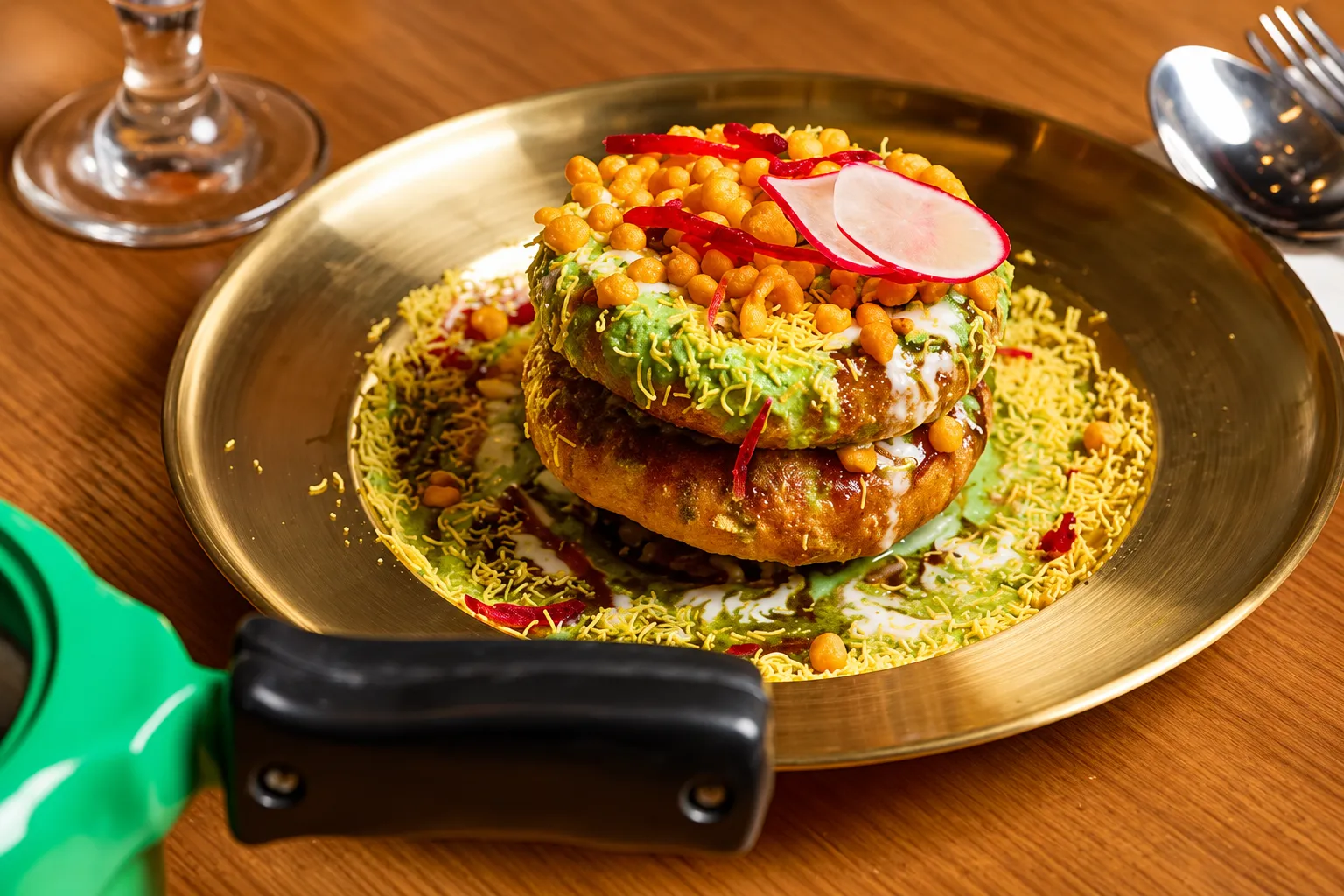

Working on the floor and behind the pass at Indian Room, I frequently speak with guests who are frustrated by the current state of plant-based dining. They spend hours searching for a reliable Brisbane Vegan Restaurant, only to arrive and find a menu heavily reliant on frozen mock meats or, worse, discover that their meal is prepared on the same grill as animal products.
Here is exactly what most diners miss when vetting a restaurant, along with actionable steps to ensure your next dining experience is safe, authentic, and genuinely scratch-made.
The Reality of Kitchen Cross-Contamination
The biggest oversight diners make is focusing entirely on the menu descriptions while ignoring back-of-house operations. A restaurant might offer a fantastic-sounding plant-based curry, but if that dish is prepared using the same utensils, cutting boards, or fryers used for dairy and meat, the dietary integrity is compromised.
Many mixed-kitchen establishments use butter or ghee to finish their sauces, or they cross-contaminate during the rush of a busy dinner service. When you are looking for a safe meal, the menu is only half the story. You need to know exactly how the kitchen separates its ingredients.
Processed Substitutes vs. Authentic Whole Foods
Another major blind spot is the reliance on highly processed meat alternatives. Over the last few years, the market has been flooded with lab-created soy patties, synthetic cheeses, and artificial thickeners. While these might mimic the texture of meat, they often leave diners feeling bloated and sluggish.
Real culinary craftsmanship does not require a factory. Authentic plant-based cooking relies on traditional techniques to build complex flavor profiles. Slow-simmering whole legumes, blooming whole spices in warm oil, and using stone-ground cashews or coconut cream creates a natural richness that processed foods simply cannot replicate.
How to Vet a Plant-Based Menu Before Booking
To avoid the trap of fast-casual shortcuts and mixed-kitchen cross-contamination, you should look for specific indicators of quality before reserving a table.
- Look for dedicated prep stations: Call ahead or check the restaurant's website to see if they explicitly mention using separate cookware and fryers for their plant-based meals.
- Analyze the protein sources: Check if the menu highlights whole foods like chickpeas, lentils, and fresh vegetables, or if it relies entirely on trademarked mock meats.
- Ask about the bases: Sauces and curries are common hiding spots for dairy. Ask if their thickeners are plant-based (like cashew paste) or if they use dairy cream.
- Check the seasoning methods: Kitchens that cook from scratch will proudly mention their spice tempering or traditional preparation methods.
Our Approach at Indian Room
We built the kitchen at Indian Room specifically to address these industry blind spots. We know that finding trustworthy Vegan Places Brisbane requires looking past the marketing and examining the food directly.
Our team refuses to take shortcuts with processed meat substitutes. Instead, we focus entirely on authentic, whole-food ingredients. Every dish is crafted from scratch using traditional Indian spice tempering, ensuring robust and natural flavors. More importantly, our kitchen operates with strict dietary standards. We use completely dedicated cookware for all our plant-based dishes, guaranteeing zero cross-contamination with dairy or animal products.
When you choose a dedicated Brisbane Vegan Restaurant, you should never have to guess what is in your food or how it was handled. By asking the right questions about kitchen practices and prioritizing whole ingredients, you can easily filter out the factory-made meals and find a dining experience that genuinely respects plant-based cooking.























Sign in to leave a comment.