
Key Takeaways
- A thorough inspection should always come before any replacement decision.
- Material quality affects how well a new roof performs for decades.
- Clear communication from a contractor prevents confusion during the project.
- Proper ventilation and flashing matter as much as the shingles themselves.
- Written estimates help homeowners compare options accurately.
- A well-managed timeline reduces stress throughout the entire project.
Introduction
A Garden City homeowner may notice a few missing shingles after a windy afternoon and assume a small repair will be enough. A closer inspection, however, can reveal worn underlayment, deteriorated decking, or signs of moisture that have developed gradually beneath the surface. What first appeared to be an isolated issue may point to a roof nearing the end of its service life.
Across Nassau County, aging roofs can hide problems that are easy to miss from the ground. Knowing which warning signs deserve attention can help homeowners prepare for the scope, timing, and cost of a roof replacement. The sections below explain what to consider before moving forward with the project.
Signs a Roof Replacement Project Is the Right Choice
Not every roofing issue calls for full replacement, which makes an accurate assessment essential before moving forward. Localized damage may be suitable for roof repair, while widespread deterioration can make replacement the more practical option.
Age also plays a significant role because roofing materials naturally wear over time. Multiple leaks, extensive granule loss, or repeated repairs across different areas can indicate that isolated fixes are no longer addressing the underlying condition.
Sudden storm damage may require emergency roofing attention before a longer-term decision is made. Prompt evaluation can help determine whether temporary protection, repair, or complete replacement is appropriate.
What Quality Materials Look Like
Material choice influences how a new roof performs against Nassau County weather over the years. Homeowners should consider the characteristics of the roofing system along with durability, maintenance needs, and compatibility with the property.
Shingle and Underlayment Options
Shingle roofing remains a common option for residential properties because it is available in numerous styles and performance levels. Modern shingles vary in wind resistance, durability, and warranty coverage, while synthetic underlayment provides an additional layer beneath the finished roofing surface.
Homes closer to Long Island's shoreline may also require added consideration for wind, humidity, and salt exposure. Selecting materials suited to the property's location can help the finished system better match local conditions.
Other Roofing Types
The right material is not the same for every property. Metal roofing can provide a durable finished surface, while cedar roofing offers a distinctive natural appearance that comes with its own maintenance considerations.
Flat roofing requires materials and drainage details designed specifically for low-slope surfaces. Comparing these systems before roofing installation helps homeowners choose an option suited to the structure, appearance, and long-term needs of the property.
Flashing and Ventilation Components
Flashing around chimneys, vents, and skylights can become a source of water intrusion even when the surrounding roofing material remains intact. Proper flashing installation helps direct water away from vulnerable transitions.
Existing skylights should also be evaluated during roofing work. If deterioration or leaking is identified, skylight repair can be coordinated before the new roofing system is completed.
Proper attic ventilation protects the roof from the inside by helping manage excess heat and moisture. These supporting components deserve the same attention as the visible roofing materials.
Questions To Ask Before Hiring a Roofing Team
Selecting the right team matters just as much as selecting the right materials. Homeowners who ask clear questions upfront are better positioned to understand what will happen once the project begins.
A qualified contractor should welcome these questions rather than rushing past them, since transparency early on often reflects how a roof replacement will actually be handled.
Consider these questions before signing an agreement:
- Licensing and insurance: Confirm proper credentials and coverage before work begins.
- Written estimates: Request clear details about materials, labor, and the expected timeline.
- Warranty details: Understand what is covered and how long the protection lasts.
- Project timeline: Ask how the work will be scheduled and how delays are handled.
- Cleanup process: Confirm how removed materials and construction debris will be managed.
Asking these questions early helps establish clear expectations for everyone involved.
What Happens During the Replacement Process
Understanding the general flow of a roof replacement helps homeowners prepare once work begins. Most projects follow a similar sequence, although the exact steps depend on the roof's size, material, and condition.
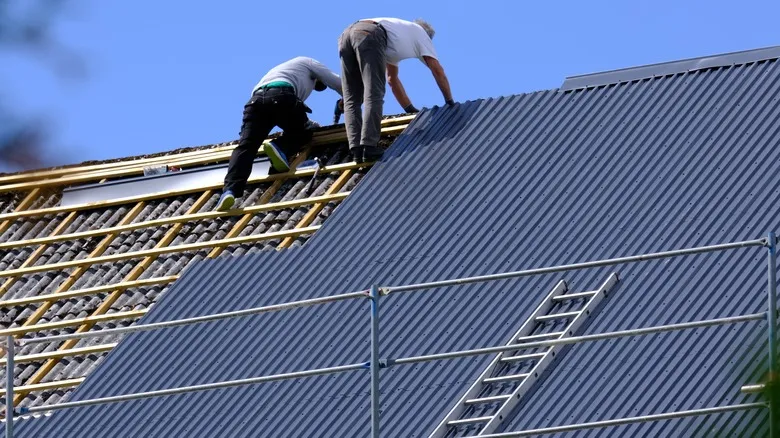
Old materials are typically removed first so the decking underneath can be inspected for hidden deterioration. Damaged sections can then be addressed before underlayment and the selected roofing material are installed.
Flashing, vents, ridge components, and other transitions are completed as the new system takes shape. When a property needs a complete new roof rather than isolated repairs, careful roofing installation helps ensure each layer works together as intended.
A final walkthrough should follow the installation so workmanship, surrounding property conditions, and cleanup can be reviewed before the project is considered complete.
Choosing the Right Time of Year for the Project
Timing can influence how smoothly a roofing project moves from start to finish. More predictable weather can reduce interruptions, although roofing work is not limited to a single season.
Late spring through early fall often provides favorable working conditions on Long Island. Cooler months can still accommodate roofing projects when temperatures, weather conditions, and material requirements allow.
Homeowners should also consider contractor availability because demand may increase during busier periods. Planning ahead provides more flexibility when choosing a project window.
Weather delays remain possible at any time of year. A contractor familiar with Nassau County conditions should account for this possibility when discussing the expected schedule.
Comparing Repair and Full Replacement
Deciding between roof repair and a full roof replacement often depends on the extent and location of the deterioration. A side-by-side comparison can help homeowners understand which approach may better fit the condition of the roof.
| Situation | Repair Likely Sufficient | Replacement Likely Needed |
| Damage location | Isolated to one small area | Spread across multiple sections |
| Roof age | Well within expected lifespan | Nearing or past expected lifespan |
| Leak history | First localized occurrence | Recurring leaks in different areas |
| Underlying decking | Solid and undamaged | Soft, warped, or compromised |
An inspection remains important because visible symptoms do not always reveal the full condition of the materials underneath.
Conclusion
Choosing suitable materials, asking detailed questions, and understanding the overall process can make a roofing project easier to plan. Homeowners who evaluate the roof carefully can also determine whether they need targeted repairs or a complete replacement.
Solaroof NY helps Nassau homeowners with roof replacement along with roofing installation, emergency roofing, roof repair, and skylight repair for different property needs. To schedule an inspection or discuss a roofing project, contact Solaroof NY at 516-744-0300 or [email protected].
Frequently Asked Questions
How Long Does a Full Replacement Project Usually Take?
Many residential projects can be completed within several days, but the timeline varies with roof size, complexity, material selection, weather, and any underlying repairs discovered after removal.
Is It Necessary To Be Home During the Entire Project?
Homeowners generally do not need to remain on-site throughout the workday, although being reachable can be helpful if questions arise. Availability for the initial discussion and final walkthrough may also make communication easier.
What Happens to the Old Roofing Materials After Removal?
Removed shingles and construction debris should be cleared from the property as part of the agreed project scope. Homeowners should confirm cleanup and disposal procedures before work begins.
Can a New Roof Be Installed Over the Existing One?
Certain situations may allow another roofing layer, but doing so can limit access to the materials underneath. A full tear-off allows the decking and other concealed components to be inspected before the new system is installed.


























Sign in to leave a comment.