

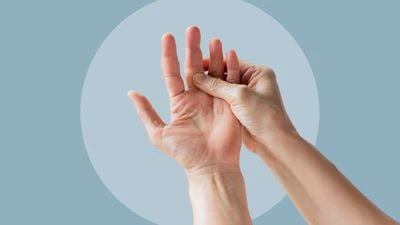
Dupuytren’s contracture can gradually change the way the hand moves. It often begins with a small lump or thickened area in the palm and may eventually cause one or more fingers to bend toward the palm. Everyday activities such as shaking hands, putting on gloves, holding objects, or placing the hand flat on a table can become more difficult.
While natural approaches cannot be expected to reverse the underlying tissue changes, some gentle self-care habits may help support comfort, flexibility, and everyday hand function. People looking into home remedies for Dupuytren’s contracture should focus on approaches that are gentle and appropriate for their individual situation.
Understanding Dupuytren’s Contracture
Dupuytren’s contracture affects the connective tissue beneath the skin of the palm. This tissue can become thicker and develop bands or cords that gradually pull the fingers inward.
The condition can progress differently from person to person. Some people have a noticeable lump without significant finger movement problems, while others develop increasing difficulty straightening their fingers.
Because Dupuytren’s contracture involves structural changes in the hand, natural care is best viewed as supportive rather than a guaranteed treatment. If finger movement is becoming restricted, discussing the condition with a qualified healthcare professional can help determine appropriate options.
Gentle Hand Stretching
Gentle stretching is commonly considered as part of maintaining hand mobility. Simple movements can encourage the hand and fingers to move through their available range without forcing them.
For example, you can slowly open your hand, straighten your fingers as comfortably as possible, hold the position briefly, and then relax. Another option is gently spreading the fingers apart before bringing them back together.
The important point is not to force a finger into a straight position. Aggressive stretching may cause discomfort or irritation. Consistent, comfortable movement is generally more sensible than trying to achieve quick changes.
Warmth and Relaxation
Warmth can make the hands feel more comfortable before gentle movement. Some people prefer using a warm towel or soaking the hand briefly in comfortably warm water before performing mobility exercises.
Heat does not remove the tissue changes associated with Dupuytren’s contracture, but it may help the hand feel less stiff before activity.
Avoid excessively hot water, particularly if you have reduced sensation in your hands. The goal should be gentle warmth rather than intense heat.
Massage as Supportive Self-Care
Gentle massage may be another option for people who enjoy hands-on self-care. Lightly massaging the surrounding palm and hand tissues can be incorporated into a relaxation routine.
However, massage should not involve forceful pressure over firm cords or sensitive areas. If massage causes increased discomfort, swelling, skin irritation, or other unusual symptoms, stop and seek professional advice.
It is also important to remember that massage should not be presented as a way to dissolve or eliminate the underlying Dupuytren’s tissue changes.
Castor Oil and Other Home Remedies
Castor oil is sometimes discussed online as one of the home remedies for Dupuytren’s contracture. People may apply a small amount to the skin while gently massaging the hand.
There is not strong clinical evidence showing that castor oil can reverse Dupuytren’s contracture or remove the cords responsible for finger bending. For that reason, it should be considered a personal skin-care or massage option rather than a proven treatment.
Anyone with sensitive skin should test topical products carefully and stop using them if irritation develops.
Maintaining Everyday Hand Activity
Regular hand use can also be valuable. Instead of avoiding movement because of mild stiffness, try to continue comfortable everyday activities such as writing, cooking, using a computer, folding clothes, or handling lightweight objects.
The key is to listen to your hand. Activities that cause significant discomfort or require forceful gripping may not be appropriate during periods of increased sensitivity.
Small movements performed regularly can be easier to maintain than occasional intensive exercise sessions.
Supportive At-Home Tools
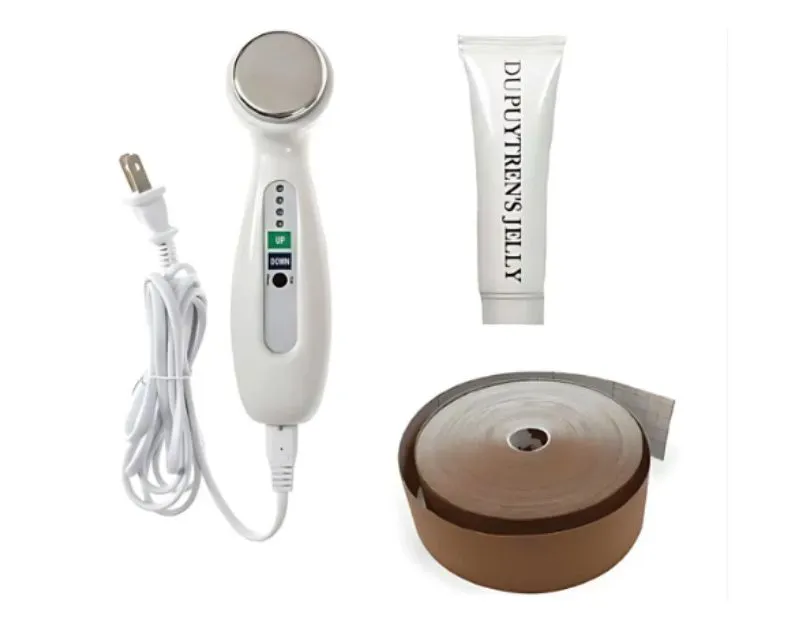
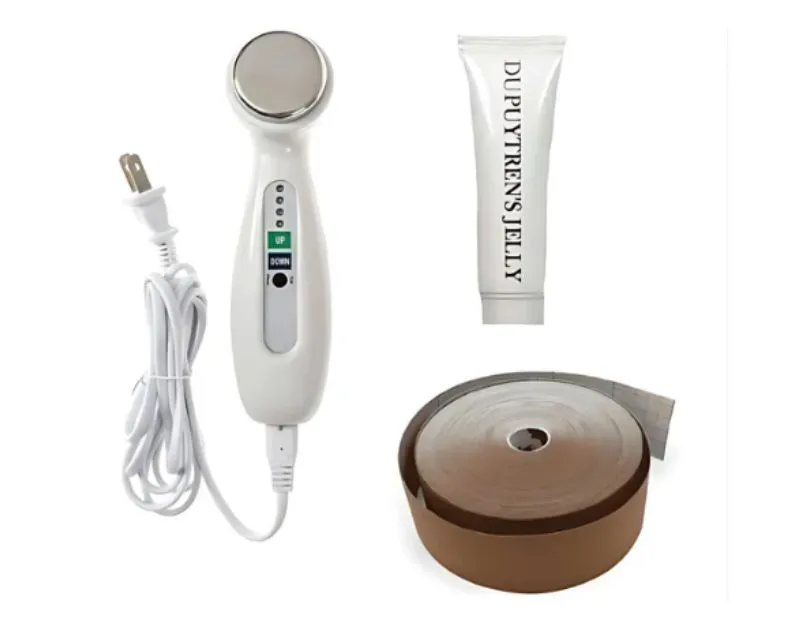
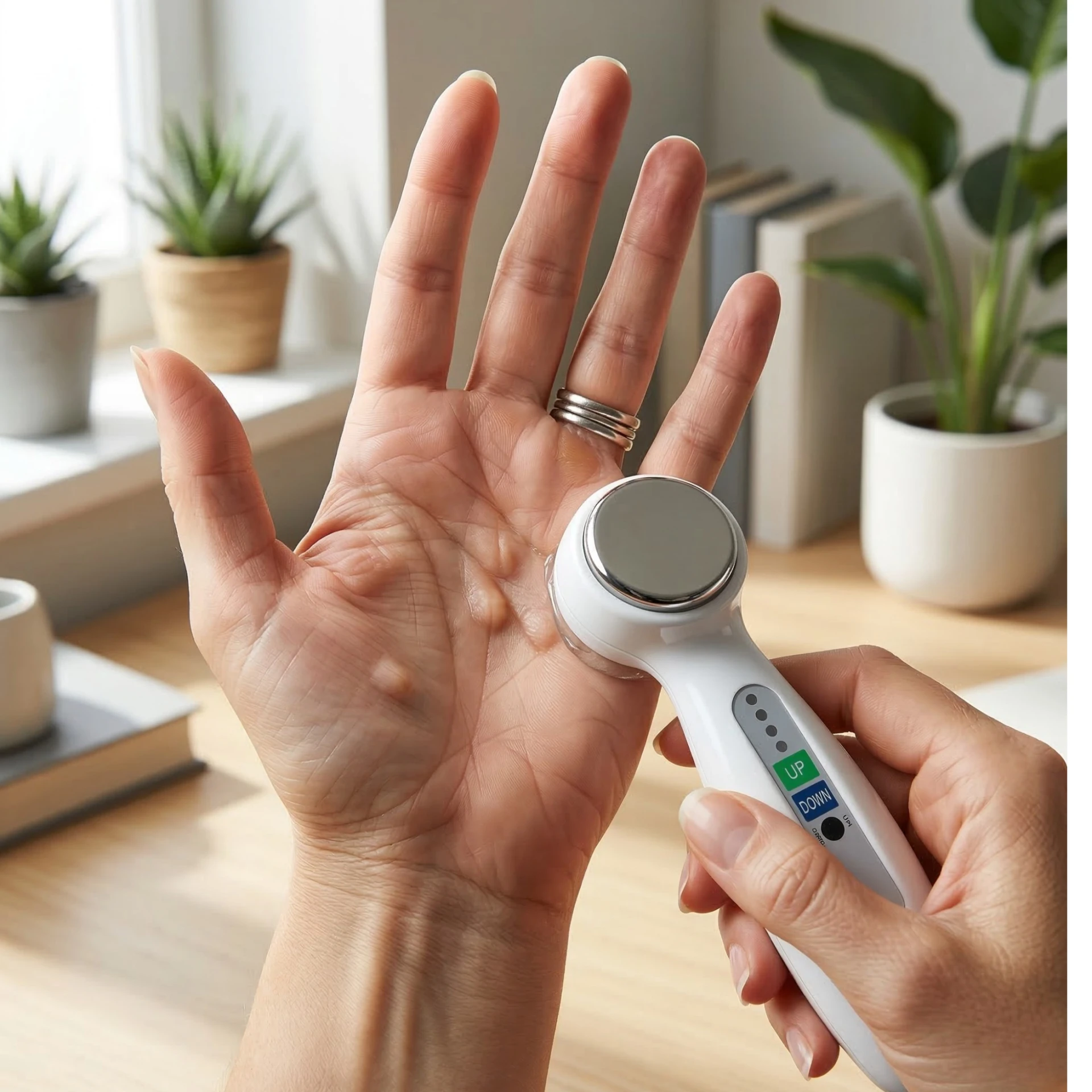
Some people choose hand therapy products or specialized tools as part of their home routine. A device such as Dupuytren’s Wand may be used as a supportive addition to an at-home hand-care routine.
When considering any hand therapy device, comfort and appropriate use should come first. It is important not to apply excessive pressure or attempt to force a contracted finger into a position it cannot comfortably reach.
A healthcare professional or hand therapist can also provide guidance about exercises and techniques that fit the individual's level of movement.
When Should You Seek Professional Advice?
Natural self-care may be appropriate for supporting everyday comfort, but it should not replace professional assessment when symptoms are progressing.
Consider seeking medical advice if a finger is becoming increasingly difficult to straighten, hand function is interfering with daily activities, a lump or cord is changing noticeably, or you are experiencing persistent discomfort.
Early assessment can help you understand what is happening and whether observation, therapy, injections, or another treatment approach may be appropriate.
Creating a Simple Hand-Care Routine
A practical routine does not need to be complicated. You might begin with gentle warmth, followed by comfortable finger movements and light hand massage. You can then continue with normal activities that do not place excessive strain on the hand.
Consistency is more realistic than trying several remedies at once. Keep track of how your hand feels and whether particular activities seem to improve or worsen your comfort.
Most importantly, avoid treatments that promise an instant cure or claim to permanently reverse Dupuytren’s contracture without reliable evidence.
Conclusion
Exploring home remedies for Dupuytren’s contracture can be a reasonable way to learn about supportive hand-care strategies. Gentle stretching, comfortable warmth, light massage, regular hand activity, and carefully selected home therapy tools may help people maintain movement and manage everyday hand comfort.
However, these approaches should be understood as supportive care rather than proven ways to reverse the underlying condition. Dupuytren’s contracture can progress differently for each person, so professional guidance is important when finger movement becomes increasingly limited.
With a consistent and gentle approach, people can make hand mobility and daily function part of their ongoing self-care routine while staying aware of when additional professional treatment may be needed.
























Sign in to leave a comment.