

It usually starts the same way. Someone finally says out loud what the family has been avoiding for months — "I think he needs help" — and within the hour, someone is searching for a centre at 1 a.m., scrolling through websites that all promise the same things: caring staff, modern facilities, a "holistic approach." None of it tells you what you actually need to know before you pick up the phone.
If you're at that stage right now, here's what actually matters.
The Question Families Skip: What Kind of Help Does This Person Need?
Not every case of substance use needs the same level of care, and this is where a lot of families waste precious time. Someone who has been drinking heavily for two years and someone going through opioid withdrawal are not candidates for the same treatment pathway — one may need outpatient counselling and support groups, the other may need medically supervised detox before any counselling can even begin safely.
This is why a proper centre starts with an assessment, not a bed. If a facility offers to admit your family member the same day without asking about substance type, duration of use, past attempts to quit, or existing health conditions, that's worth pausing on. A real clinical assessment — ideally involving a psychiatrist or addiction medicine specialist — is what determines whether detox needs to happen under medical supervision, what medications might be needed to manage withdrawal safely, and what kind of aftercare will actually hold.
Detox Is a Beginning, Not the Treatment
One of the most common misunderstandings families have is thinking detox equals recovery. It doesn't. Detox manages the physical withdrawal — the part where the body has to adjust to functioning without the substance. Depending on what's being used, this can range from uncomfortable to genuinely dangerous, which is exactly why unsupervised "cold turkey" attempts at home are risky and not something any responsible source should recommend.
What comes after detox — individual counselling, group therapy, family involvement, relapse-prevention planning — is where the actual work of recovery happens. A centre that treats detox as the whole program, discharges quickly, and doesn't talk about follow-up care is doing a fraction of the job.
Questions Worth Asking Before You Commit
Families rarely know what to ask on that first phone call, mostly because nobody has walked them through it before. A few that matter more than glossy brochures:
- Is there a licensed psychiatrist or physician involved in treatment, not just counsellors?
- What does a typical day of treatment actually look like?
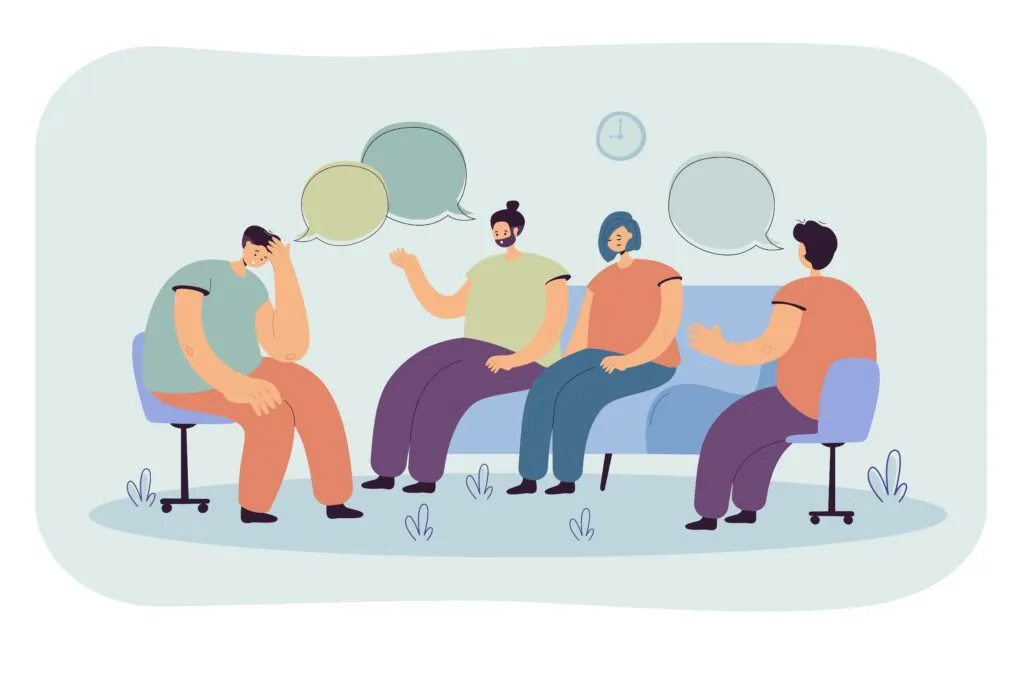
- How is family involved during and after treatment?
- What does the centre do differently for relapse compared to a first-time admission?
- What happens in the weeks immediately after discharge?
That last one matters more than most families realize. The period right after leaving a facility is when relapse risk is highest, and a centre without a clear aftercare or follow-up structure — even something as simple as scheduled check-ins or referral to local support groups — is leaving a critical gap.
The Myth of "Guaranteed Recovery"
You will come across websites promising guaranteed cures or permanent recovery. Treat that as a red flag, not reassurance. Addiction is widely recognized by health authorities, including the World Health Organization, as a chronic, relapsing condition — meaning recovery is an ongoing process, not a one-time fix with a guaranteed outcome. Legitimate centres will talk about managing addiction, building coping skills, and reducing relapse risk. They generally won't promise a permanent cure, because no ethical medical provider can honestly make that promise for any chronic condition.
This doesn't mean recovery isn't achievable — long-term recovery happens for a great many people. It means the process looks more like ongoing management than a single successful procedure, and centres that are upfront about that are usually the ones being honest with you.
What Location Actually Changes
If you're specifically looking in Panchkula, proximity matters more than people initially think. Family involvement is one of the stronger predictors of a person staying engaged in treatment, and that's much easier when visits, family therapy sessions, or discharge planning meetings don't require a long drive each time. A centre closer to home also makes step-down care — moving from residential treatment to outpatient follow-up — more realistic to sustain.
That said, don't let proximity override quality. A well-run nasha mukti kendra in Panchkula that follows a proper assessment-to-aftercare process is a better choice than a nearby facility that skips medical evaluation, just as it's a better choice than a distant "renowned" name your family can't realistically stay involved with.
For the Family Member Reading This at 1 A.M.
If you've read this far, you're probably exhausted, and possibly blaming yourself for not catching this sooner or not doing more. That reaction is common, and it's not a fair one to hold against yourself. Addiction is a complex condition shaped by biology, environment, and circumstance — not a failure of family love or attention.
What helps now is not guilt; it's the next concrete step: get a proper assessment, ask the questions above, and involve yourself in the treatment process rather than outsourcing it entirely. Recovery is rarely a straight line, but it does start with one honest conversation and one well-informed decision — and you're already further along than you think just by asking the right questions.
If you or a family member is in immediate danger from withdrawal symptoms — seizures, severe confusion, difficulty breathing — treat it as a medical emergency and seek urgent care rather than waiting for a scheduled admission.




















Sign in to leave a comment.