

Every year, thousands of entrepreneurs decide to expand into Southeast Asia, and Thailand consistently ranks near the top of the list. The appeal makes sense. Strong infrastructure, a central location for regional trade, a large consumer market, and a government actively courting foreign investment through incentive programs. On paper, it looks like one of the more straightforward places to launch a business outside your home country.
In practice, the process involves more decisions than most founders expect, and the decisions made in the first few weeks often shape how smoothly the business runs for years afterward. Choosing the wrong entity structure, misunderstanding foreign ownership rules, or underestimating the paperwork involved can turn what should be a straightforward launch into a drawn out and expensive process. This is why so many founders now start their research by looking into company setup thailand specialists offer, rather than attempting to navigate the process using generic international business advice that does not account for local regulation. Getting this right from the beginning tends to save far more time than it costs.
The Ownership Question Comes First
One of the earliest and most consequential decisions a foreign founder faces is how the company will be owned. Thailand generally restricts foreign ownership to 49 percent in most industries under the Foreign Business Act, with a Thai majority holding the remaining shares. There are exceptions, including BOI promoted companies, businesses operating under the US Treaty of Amity, and certain industries where full foreign ownership is permitted.
Founders who do not fully understand these restrictions sometimes end up in ownership structures that create legal exposure down the line, particularly when Thai shareholders are added purely on paper without genuine involvement in the business. Getting the ownership structure right from day one avoids a situation where the company's legal standing becomes questionable years later.
Choosing the Right Entity Type
Thailand offers several ways to structure a business, and the right choice depends heavily on what the company actually plans to do. A Thai Limited Company is the most common structure for businesses that want to hire staff, sign contracts, and operate commercially within Thailand. A Representative Office suits companies that only need a local presence for research or liaison purposes without generating revenue locally. BOI promoted companies unlock benefits like majority or full foreign ownership, tax holidays, and exemption from standard hiring ratios, but come with their own application process and ongoing reporting obligations.
Picking the wrong structure at the outset is one of the most common and costly mistakes founders make. A company set up as a standard Limited Company, for example, might later realize it would have qualified for significant BOI incentives had it structured differently from the start.
Capital Requirements Catch People Off Guard
Many founders are surprised to learn that registered capital requirements are not just a formality. Companies planning to sponsor foreign work permits need to meet minimum capital thresholds tied to each permit, and these requirements interact directly with hiring plans. A founder who registers minimal capital without considering future hiring needs can find themselves unable to sponsor a work permit for a key hire months later, forcing a costly capital increase process at an inconvenient time.
Planning capital requirements around the business's actual growth trajectory, rather than the bare minimum needed to incorporate, tends to prevent this kind of disruption.
The Paperwork Nobody Mentions Upfront
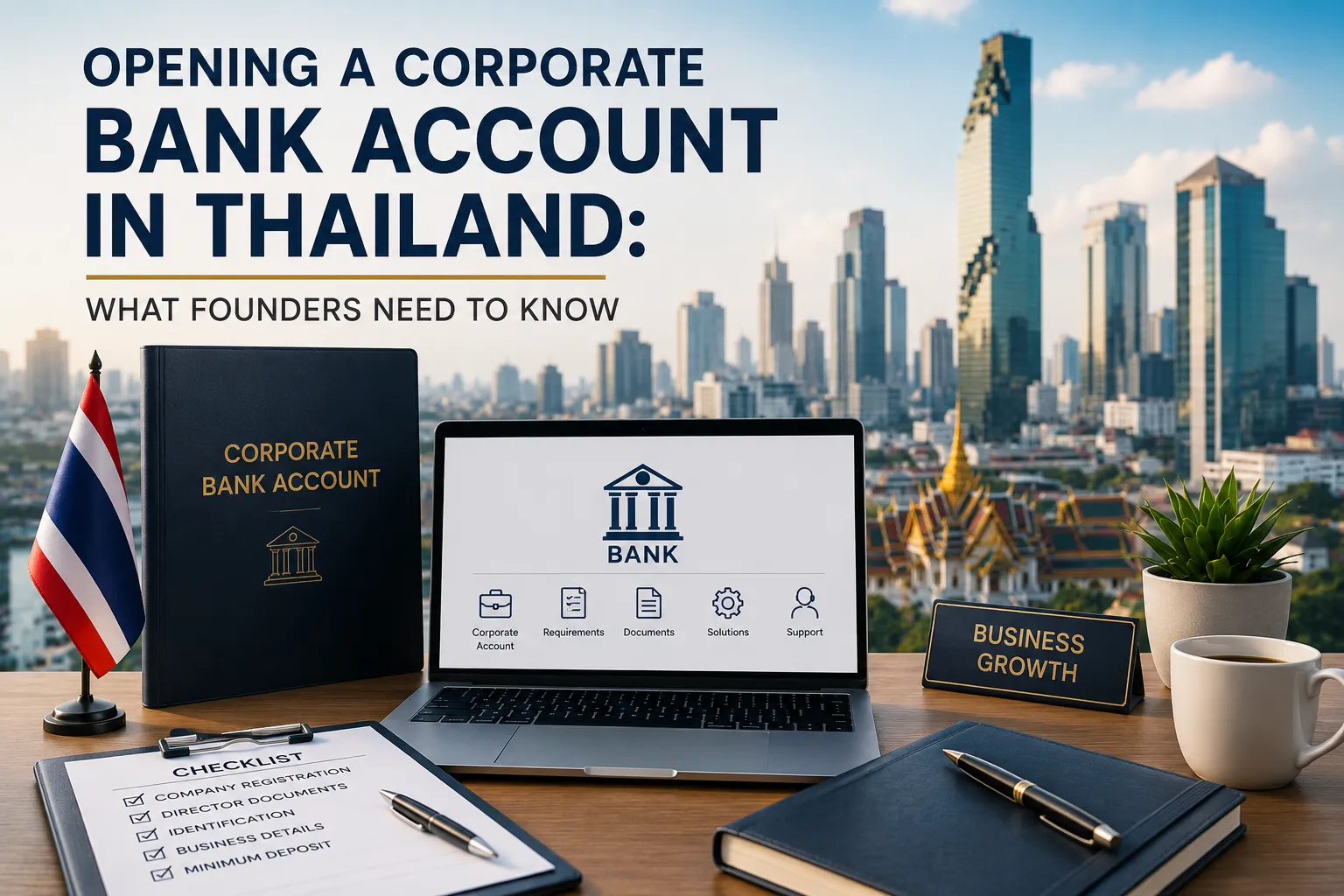
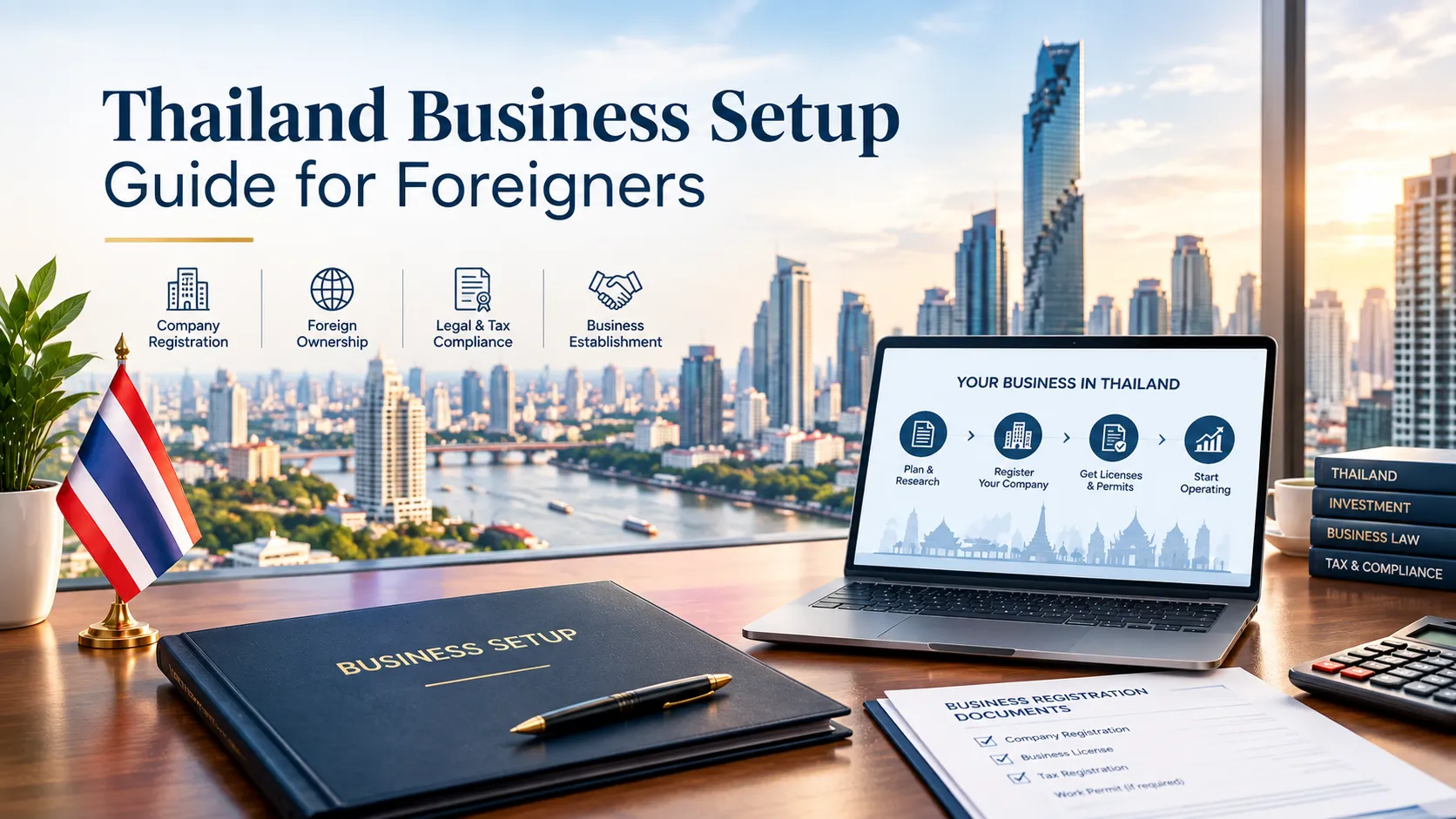
Beyond the initial incorporation filing, opening a Thai company typically involves registering with the Department of Business Development, obtaining a corporate tax ID, registering for VAT if applicable, opening a corporate bank account, and setting up social security registration before hiring any staff. Each of these steps has its own documentation requirements and processing timelines, and banks in particular have become increasingly strict about the paperwork they require from foreign owned companies before opening an account.
Founders who assume incorporation is the finish line are often caught off guard by how much work remains just to get the business fully operational.
Why Local Guidance Matters More Than Generic Advice
International business guides can explain general principles, but they rarely account for the specific regulatory environment in Thailand, which changes based on industry, ownership structure, and incentive eligibility. What works for opening a company in Singapore or Vietnam does not necessarily apply here. Founders who rely on outdated forum posts or advice from unrelated markets often make avoidable mistakes that a locally informed advisor would catch immediately.
Final Thoughts
Opening a business in Thailand is very achievable, but the details matter more than most founders expect going in. Ownership structure, entity type, capital planning, and post incorporation paperwork all interact with each other in ways that are not always obvious from the outside. Founders who take the time to understand these pieces upfront, or bring in experienced guidance to navigate them, tend to build a far more stable foundation than those who rush through incorporation and deal with the consequences later.



























Sign in to leave a comment.